

Title Here : หน้า 10/163
The life and times of Luang Phaw Wat Paknam : หน้า 10/163 Description here, succinctly summarizing the content.
2 ครั้ง
สรุปเนื้อหา
A brief overview of the text, explaining main ideas and content, while excluding web URLs except dmc.tv.
หัวข้อประเด็น
- main idea 1
- main idea 2
- additional theme
ข้อความต้นฉบับในหน้า
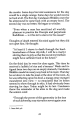
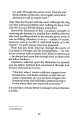
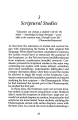
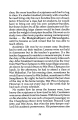
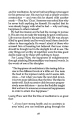
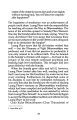
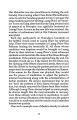
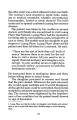
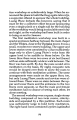
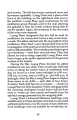
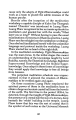
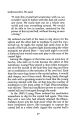
In the reign of H.M. King Rama III (Phra Nang Klao, 1824-1851), the examinees had to undergo an oral examination testing their proficiency in translating the Pali palm-leaf scriptures into Thai. To pass no more than two mistakes were allowed. The test passage was picked at random by the Supreme Patriarch, thus each candidate received a different passage. After receiving the passage, the candidate was given a little time to read it and overcome his nervousness before entering the examination room. He would then have to translate the palm leaves in front of the board of examiners. Originally a candidate at any level had to translate three palm leaves (one leaf equalling ten lines of script) making no more than two mistakes. Later on, however, the number of leaves to be translated was reduced to two leaves in general and one for Grade IX. This type of examination was directly applicable to the traditional way of giving sermons: translating and expanding upon a chosen palm-leaf scripture in front of an assembled congregation.
Monastic study became more institutionalized in the reign of H.M. King Rama V (Chulalongkorn, 1868-1910) with the building of Mahamongkut Academy (1893) and Mahachulalongkorn Academy (1911) specifically for monks studying Pali. The written system of ‘Pahrean Studies’ favoured by King Chulalongkorn and the reformed Dhammayutthika sect was introduced on a small scale at Mahamongkut Academy from 1894-1900, but did not gain favour with the majority of the Mahānikāya monks who favoured the oral examinations held at the Grand Palace chapel. It was
หน้าหนังสือทั้งหมด
1
2
3
4
5
6
7
8
9
10
11
12
13
14
15
16
17
18
19
20
21
22
23
24
25
26
27
28
29
30
31
32
33
34
35
36
37
38
39
40
41
42
43
44
45
46
47
48
49
50
51
52
53
54
55
56
57
58
59
60
61
62
63
64
65
66
67
68
69
70
71
72
73
74
75
76
77
78
79
80
81
82
83
84
85
86
87
88
89
90
91
92
93
94
95
96
97
98
99
100
101
102
103
104
105
106
107
108
109
110
111
112
113
114
115
116
117
118
119
120
121
122
123
124
125
126
127
128
129
130
131
132
133
134
135
136
137
138
139
140
141
142
143
144
145
146
147
148
149
150
151
152
153
154
155
156
157
158
159
160
161
162
163
หนังสือที่เกี่ยวข้อง
Load More