

Understanding the Dhammacakka Pavattana Sutta : หน้า 188/263
The Buddha’s First Teaching : หน้า 188/263 Explore the significance and teachings of the Dhammacakka Pavattana Sutta, the first discourse by Buddha after his enlightenment.
3 ครั้ง
สรุปเนื้อหา
The Dhammacakka pavattana Sutta marks the inaugural teaching of the Buddha, delivered at Isipatana Deer Park two months post-enlightenment. This Sutta introduces foundational concepts in Dhamma, emphasizing the path to Nirvana through understanding the Sensual, Form, and Formless planes. It's preached to the Group of Five ascetics, highlighting misconceptions on achieving Enlightenment without meditation. This teaching is likened to the power of a Jewelled Wheel, representing its monumental importance in Buddhism. It serves as a cornerstone for all subsequent teachings and remains integral for practitioners seeking spiritual growth.
หัวข้อประเด็น
- Dhammacakka Pavattana Sutta
- Buddha's first teaching
- Significance of Isipatana Deer Park
- Group of Five ascetics
- Misconceptions in Buddhist practice
- Path to Nirvana
- Importance of meditation
ข้อความต้นฉบับในหน้า
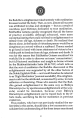
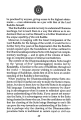
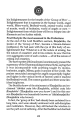
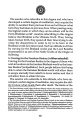
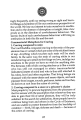
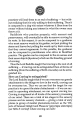
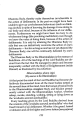
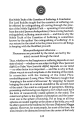
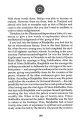
[vāddha-saṃsāra] on the levels of the Sensual Plane, the Form Plane and the Formless Plane so that we can enter upon Nirvana.
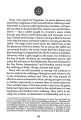
Thus in the inauguration of the Dhamma to the world, these two reasons are ample explanation for why this first Sutta should be called the Dhammacakka pavattana Sutta. Therefore, the Dhammacakka pavattana Sutta can be said to be a teaching about the Power of the Dhamma — which can be compared to the power of the Jewelled Wheel of a Universal Monarch. It is not that other Dhamma teachings by the Buddha do not have comparable importance — but the Dhammacakka pavattana Sutta was the first and the teachings which came later only serve to expand upon the foundations already laid down in this inaugural Sutta.
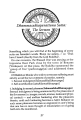
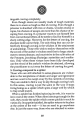
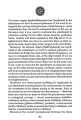
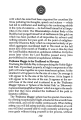
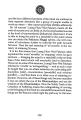
The Buddha taught the Dhammacakka pavattana Sutta on the full-moon day of the eighth lunar month, two months after His Enlightenment. He gave the sermon at the Isipatana Deer Park near Benares. This woodland was a haunt of ascetics and also a natural sanctuary set up by royal decree — no-one was allowed to hunt any of the animals which lived there. In ancient India, even though the king who made the degree might pass away, or even if his dynasty might fall, the decree would live on out of hereditary respect that all the castes had for the kingly caste.
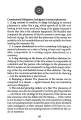
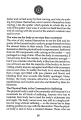
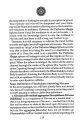
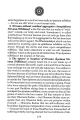
The Dhammacakka pavattana Sutta was taught to the Group of Five [pañcavaggiya] ascetics who had Koṇḍañña as their leader. To understand how the Dhammacakka pavattana Sutta could have given the result it did on these five ascetics, it is important to know a little of their backgrounds first. Unfortunately, in many Buddhist countries of the world, there is the misunderstanding that Enlightenment can be achieved without training oneself in meditation. Such
หน้าหนังสือทั้งหมด
1
2
3
4
5
6
7
8
9
10
11
12
13
14
15
16
17
18
19
20
21
22
23
24
25
26
27
28
29

30
31
32
33
34
35
36
37
38
39
40
41
42
43
44
45
46
47
48
49
50
51
52
53
54
55
56
57
58
59
60
61
62
63
64
65
66
67
68
69
70
71
72
73
74
75
76
77
78
79
80
81
82
83
84
85
86
87
88
89
90
91
92
93
94
95
96
97
98
99
100
101
102
103
104
105
106
107
108
109
110
111
112
113
114
115
116
117
118
119
120
121
122
123
124
125
126
127
128
129
130
131
132
133
134
135
136
137
138
139
140
141
142
143
144
145
146
147

148
149
150
151
152
153
154
155
156
157
158
159
160
161
162
163
164
165
166
167
168
169
170
171
172
173
174
175
176
177
178
179
180
181
182
183
184
185
186
187
188
189
190
191
192
193
194
195
196
197
198
199
200
201
202
203
204
205
206
207
208
209
210
211
212
213
214
215
216
217
218
219
220
221
222
223
224
225
226
227
228
229
230
231
232
233
234
235
236
237
238
239
240
241
242
243
244
245
246
247
248
249
250
251
252
253
254
255
256
257
258
259
260
261
262
263
หนังสือที่เกี่ยวข้อง
Load More