

C&D : ค้นหาหนังสือธรรมะ หน้า 470 / 507
หน้าหนังสือทั้งหมด
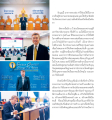
309
Title of the Page
รับบุญนี้ มาจากหลวงพี่ ทำให้มีโอกาส มาเป็นผู้ช่วยงานของคุณพ่อ และได้เข้ารับสัมผัส กับวัดพระธรรมกายอย่างเต็มตัวตั้งแต่นั้นเป็นต้น มา
ฉันดูกันอีก ๙ ปี ช่วงปิดเทอมระหว่างอยู่ที่ มหาวิทยาลัยกรุงเทพ ฉันปี
This is a summary of the text, capturing the essence and important items discussed. It provides a brief overview and highlights the key elements without including external web URLs except for dmc.tv.
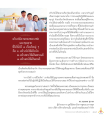
310
ไม่พบข้อมูล
สร้างวัดให้สะอาดเรียบร้อยเป็นระเบียบ เวลามาทำบุญเกิดความสุขกายสบายใจ การปฏิบัติธรรมของพระทุกๆรูป ด้วยเรือบวัตรอันงดงาม น่าเลื่อมใสและรู้ส gratitude ท่านได้อย่างสนิทใจ รวมถึง การบรรยายธรรมของหลวงพ่อทั้
ไม่มีกล่าวถึงข้อมูลใด ๆ ในเชิงลึก
311
Understanding the Impact of Climate Change
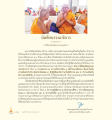
บันทึกบรรธานิการ
"ทำดีฉันเป็นวัฒนธรรมองค์กร"
พระราชวชรศาสนวิเทศ (สำราว กุลโล) ประธานสงฆ์พระธรรมฑูตไทยในยุโรป เจ้าวาสวัดไทยนอร์เวย์ ท่านได้รับรางวัลมุอรรถ์ครูโลก วันที่ ๒๖ เมษายน พ.ศ. ๒๕๖๔ พี่น้อมท่าน
Climate change is a significant challenge facing humanity today, impacting ecosystems, weather patterns, and human activities. This book delves into the causes of climate change, including greenhouse
313
Untitled
พระราชเหล็ก
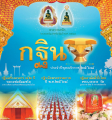
พระของขวัญ สำหรับกุศล ปี ค.ศ. ๒๕๖๘
กฐินสร้างอาคาร ๒ ปี หลวงพ่อธัมมะไชโย
อาคารเพื่อความจริงของชีวิตของทุกคนในโลก
กฐินวัดพระธรรมกาย ปี ค.ศ. ๒๕๖๘
กฐินสามัคคีทั่วไทย ๓๐,๐๐๐ วัด บุญธรรม ๑๓๑
No content provided for summary.
315
Untitled Text Analysis
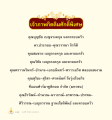
เจ้าภาพกิตติ์มิตศักดิ์พิเศษ
คุณบุญชัย เบญจจริงกุล และครอบครัว
Dr.ประกอบ-คุณวรรณา จิรกิตติ
คุณสมชาย เบญจจริงกุล และครอบครัว
คุณวิชัย เบญจจริงกุล และครอบครัว
คุณพรวนรินทร์-อำนาจ-เอกธนินทร์-พรวาเอริส พล
This content delves into the specific themes and discussions presented in the text extracted from the book page. It highlights the main ideas and provides insights into the overall message conveyed by
316
No Input Provided
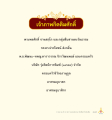
เจ้ภาพกิตติผึดดี
พระพลอิฎดี ฐานสกอโ และกลุ่มสืบสานตะวันธรรม
รศ.ดร.ประโยชน์ ส่งกลิ่น
พ.อ.พัฒนะ-ทพญ.ดารวรรณ จิราวัฒนพงษ์ และครอบครัว
บริษัท รุ่งศิลป์การพิมพ์ (๑๙๗) จำกัด
ครอบครัวจิ้วฉรรณกุล
อาศรมอุบาสก
No content to summarize or analyze.
317
Untitled
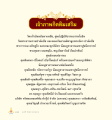
เจ้าภาพกิตติ้มเสริม
วัดแก้วธึ่มชัยมาเลเซีย ศูนย์ปฏิบัติธรรมโยธิน
วัดพระธรรมกายปลัมบีซ เพื่อกัลยาณมิตรลูกพระธัมม์ปลัมบีซ
พระวรครูฤทธิ์ภูมิและคณะกัลยาณมิตร น้อมบูชาธรรมมหาปูชนียาจารย์
พระสุนทร เขมพนฺโธ
No summary available due to lack of content.
318
Untitled
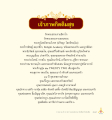
เจ้าภาพกิติมงคล
วัดพระธรรมกายชิตโก
วัดพระธรรมกายลอนดอน
พระครูโสดาธรรมิกรวิทธ (ปรัชญา โสดาธิโร)
พระไตรพิชญ์ สุขาจิโก, Enlight Academy พร้อมครอบครัว และญาติมิตรม
พระชัยวัฒน์ คุณนวลฤทูโน, คุณแม
No content provided for summary.
320
No content provided
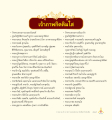
เจ้าภาพกิตติมิใส
• วัดพระธรรมกายเดอเนอร์แลนด์
• ศูนย์ปฏิบัติธรรมแก้วบุรพา และคณะญาติธรรม
• พระกฤษณ์ ลัทธโน (กฤตมโนธ) บิตต มาคาราและญาติธรรม
• พระกรีย์ สุผโต
• พระก้องภาพ บุญเตโช, คุณเสรัชต์-
No summary available due to lack of content.
323
Untitled Page
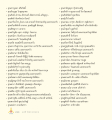
คณากาญจนา ศรีสรวัสดี
คณาวิภสุข โกลมสุภาพพล
คณกิตติ-คารณ-จักรพงศ์-พลาสาทราภรณ์-อภญญา-
คุณสินดา นันทจิตปราโมทย์
คุณเกรียงไกร-อิงอร-นพ.อานนท์ ธรรมเจริญ และครอบครัว
คุณเกียรติศักดิ์ ลาภสาย, คุณอ
No summary can be generated as there is no content.
325
Untitled
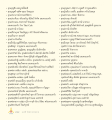
• คุณบุญญาภา-นิษภา-พลคุณเสถียร
• คุณนุ่นเจียะ แซ่ตั้ง, คุณลิดดา ศรีวโลกลก
• คุณประกอบ-พันดา ฟังธรรม
• คุณประทุม เสริมณี
• คุณประดิษฐ์-บุญศรี-พาณี นาคทอง
• คุณปวณัธ-โลภณ-เยาวลักษณ์-กิตติ อังก
No content provided to generate a summary.
327
Untitled
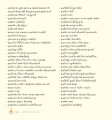
คุณรัชนีย์ ตั้งฤทธิ์อนันต์
•คุณรัชนีย์ วีรศรี
•คุณดูดี ดวงคำ
•คุณลัดดาวรรณ-สมชาย-ตะวัน-พุทธิภาส สิงห์คำ
•คุณลันทินทน์ เอื้อปัญญาพร
•คุณลำพูน-นพ.สุกฤทิฎา
•คุณลำภา-นงนภา เสี่ยงมั่นกีติ และครอบครัว
•คุณบ
No summary can be provided without content.
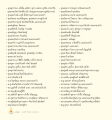
329
Introduction to Quantum Physics
ค ณสวรรยา-เอ่งลี้ม-ผุสธา-สุขา-สมพร-สุขชัย-พรอาร ย- ค ณเพชรรัตน์ ต นดิษฐาม ย นอชธรรมมหาปูชน ย อาจารย- ดร.ว ฒ ศิฤกษ-ธนพล-ณทร มพงษ- พญ.จิตมาส โชคฐ กร
Quantum physics revolutionizes our understanding of the microscopic world, introducing concepts like wave-particle duality, uncertainty principle, and quantum entanglement. It plays a crucial role in
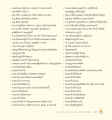
330
No Content Provided
• นพ.ธนาคม-ณัฐภูดี แรงมะพร้าว และครอบครัว
• ผศ.ทศนิยะ แก้วสว่าง
• พญ.วรศา-คุณอัครเดษ-รัชนี-รัชนิเศร-ด.ช.เชน-ด.ญ.ลินญา เพชรวงษ์ และทิด ๖
• พญ.สุวิม คุณถิยม
• พ.ต.ท.หญิงจิตรา วัดอาภา, คุณวราภรณ์ ยอดคำเน
No summary can be generated without content.
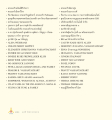
331
Untitled
ครอบครัวนันติวิริยะประภา
ครอบครัวอินทร์โทร
ทีม Shotirot, ครอบครัวมุจฉาพันธ์, ครอบครัว Pollmann
ชุมชนศึกษาฯพทศศาสตร์และประเพณี มหาวิทยาลัยธรรมศาสตร์
ตะวันบนดอย ชมรมแสงตะวัน
บุคลากร รุ่นที่ ๒ ชาตุลานจ์
No summary available due to lack of content.
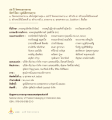
333
Untitled
55 ปี วัดพระธรรมกาย
จัดทำโดย : มูลนิธิธรรมกาย
๑. วัดพระธรรมกาย ๒. เดินไปสู่ความสุข ๓. 55 ปี วัดพระธรรมกาย ๔. สร้างวัด ๕. สร้างพระให้เป็นคนดี ๗. สร้างบารมี ๘. ธรรมกาย ๙. พุทธศาสนา ๑๐. Buddhism ๑. ชื่อเ
This is a summary of the content that highlights the main ideas and themes discussed. It provides an overview of the key points and insights while directing readers to dmc.tv for more information.

334
Untitled
วัดโพธิ์นนทบุรี
Wat Pho Nonthaburi
No content available to summarize.
8
มหาธรรมกายเจดีย์และดวงธรรม
มหาธรรมกายเจดีย์
ดวงธรรม (The Primal Nature of Being):
คือ สภาพดวงจิตที่แท้จริงของมนุษย์ มีความบริสุทธิ์และมีสัญฐานเป็นดวงกลม อันเป็นที่มาของคำว่า "ดวงใจ" หรือ "ใจที่เป็นดวง" ดวงธรรม หรือ ใจที่เป็นด
บทความนี้กล่าวถึงดวงธรรม ซึ่งเป็นสภาพดวงจิตที่แท้จริงของมนุษย์ได้แก่ ความบริสุทธิ์และสมดุลย์ทางกาย เช่นที่หลวงพ่อวัดปากน้ำภาษีเจริญได้ยืนยัน ดวงธรรมเป็นเหมือนใจที่เป็นดวงซึ่งสามารถเข้าถึงได้ผ่านการทำส
11
มหาสรรพคุณเจดีย์
มหาสรรพคุณเจดีย์
ดังนั้นจึงเป็นการยืนยันอีกชั้นหนึ่งวา เจดีย์ทรงโดมนี้ คือ
สัญลักษณ์ของธรรรม ของพระสัมมาสัมพุทธเจ้า
แทนจักรวาล หรือ อนันต์จักรวาล (As Cosmic or Universal):
นอกจากธรรมะ The Supreme T
เจดีย์ทรงโดมถือเป็นสัญลักษณ์ของธรรมและจักรวาล แสดงถึงความสุขสงบที่เกิดจากพระธรรมบาลันในวันอัฏฐมีบูชา ซึ่งพระธรรมกายได้กระจายออกไป ครอบคลุมมหาจักรวาล โดยมีองค์พระธรรมกายจำลองอยู่ภายในและภายนอกเจดีย์ ทำ
15
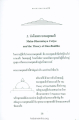
มหาธรรมกายเจดีย์และพระบรมรุพุทธเจ้า
มหาธรรมกายเจดีย์
2. ว่าด้วยพระบรมรุพุทธเจ้า
Maha-Dharkmaya Cetiya
and the Theory of Jina Buddha
ในความรู้ทั่วไป พระบรมรุพุทธเจ้า คือ พระพุทธเจ้าที่ตรัสรู้ล่วงไปนานแล้ว โดยอุฏฐฏฐ ในหนึ่งจักรวาลจะมีพระ
บทความนี้นำเสนอเกี่ยวกับมหาธรรมกายเจดีย์และพระบรมรุพุทธเจ้าซึ่งถือเป็นพระพุทธเจ้าใหญ่ในหนึ่งจักรวาล อธิบายบทบาทและความสำคัญของพระบรมรุพุทธเจ้าผ่านทฤษฎี Jina Buddha ที่มีหลักฐานในประเทศเนปาล ซึ่งประกอบ