

HIGH : ค้นหาหนังสือธรรมะ หน้า 41 / 79
หน้าหนังสือทั้งหมด
16
Launch of the Journal of the Dhammachai International Research Institute
Introduction
This collection of articles marks the launch of the Journal of the Dhammachai International Research Institute (JDIRI). The articles presented here indicate some of the perspectives on B
…e journal aims to publish research on ancient manuscripts and esoteric practices in Southeast Asia, highlighting connections to modern Thai Buddhism. With support from various universities, DIRI nurtures …
17
Exploration of Pāli Manuscripts in Laos
…two terms dhamma and brahmā “are mentioned together in parallel, they usually refer to the state of highest purity”. Then the Apadānas add the story of the Buddha’s aunt, Gotamī, who drinks ‘dhamma milk’ …
This journal features an article by Anatole-Roger Peltier on a wooden chest containing palm-leaf manuscripts found in Laos. The texts, dated to the sixteenth century, reveal their roots in the Pāli ca
19
Exploring Ancient Thai Meditation Manuscripts and Their Influence
of the original content of the palm-leaf manuscript is provided along with a translation into modern Thai and English. It consists of a correlation of body parts with the sublime attributes of the enl
… with Buddha's attributes and suggest daily recitation as a Buddhist practice. Research by Urkasame highlights links between these Thai texts and Khmer manuscripts, emphasizing concepts such as the subtle…
21
Exploring Buddhist Manuscripts and Teachings
JDIRI
Contents
The Most Venerable Phrathepyanmahami (Luang Phaw Dhammajayo)
*Homily* I
Garry W. Trompf
Emeritus Professor in the History of Ideas
…pics. The contributions aim to enrich understanding of Buddhist texts and their historical context, highlighting the importance of these manuscripts in the pursuit of knowledge and meditation practices. F…
23
The Tipitaka Manuscripts of the Khammouan Cave in Laos
The Tipitaka Manuscripts of the Khammouan Cave in Laos
Anatole-Roger Peltier
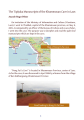
On invitation of the Ministry of Information and Culture (Vientiane, Laos), I went to Thakhek, capital of the Khammouan p
…ns. This visit not only underscores the importance of preserving such historical artifacts but also highlights the contributions of local communities to cultural heritage. For more information, please vis…

26
Exploring the Tipiṭaka Manuscripts
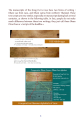
The palm-leaf manuscripts that I have just presented belong to the Tipiṭaka. These texts, or parts of texts, are in Pāli, the lingua franca of the Indochinese Peninsula. The versions in vernacular lan
…ears ago in Tai Khûn from the Shan State of Burma. The significance of these manuscripts is further highlighted during reading sessions with Mr. Khemphon Sengpatham from the Bureau of Culture in Khammouan…
27
Exploring the Manuscripts of Nong Pa Fa Cave
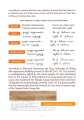
The manuscripts of the Nong Pa Fa Cave have two forms of writing: Dham Lao from Laos, and Dham Lanna from northern Thailand. These two scripts are very similar, especially on manuscripts dating back s
…also emphasizes their shared spiritual heritage in the Buddhist tradition. Dhamma alphabets of Laos highlighted in these manuscripts underscore their importance in preserving Buddhist teachings in the reg…
28
Historical Influences on Dham Lao and Lanna Scripts
According to research done by many linguists, it seems that the Dham Lao is influenced by the Dham Lanna script, and the latter derives from Mon writing, as Burmese does also.
THE FAREWELL OF PHRA MA
…isarat's request, sixty bundles of Tipitaka manuscripts were sent to Luang Prabang in 1523 CE. This highlights the cultural exchanges in script and literature during these historical periods. The manuscri…

29
Exploring the Origins of the Nong Pa Fa Cave Manuscripts
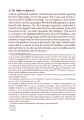
On the cover of one of the Nong Pa Fa Cave manuscript, we can read:
As the writing is clearly that of Dham Lanna, one wonders if some parts of the manuscripts come from Muang Nandaburi, a former name
This text examines the Nong Pa Fa Cave manuscripts, highlighting their writing style as Dham Lanna. It raises questions about their origins, specifically wh…
34
Understanding Dhammakāya in Early Buddhist Thought
II. The Different Approach
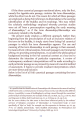
A fairly established academic understanding has settled regarding the term dhammakāya in the Pali canon, that it was used merely in the sense of the ‘Buddha’s teachings.’ In
… caution due to potential later revisions. The preservation efforts of the early Buddhist community highlight the distinctiveness of Theravāda traditions, as observed in ancient Gandhāri manuscripts. Dist…
35
Exploring the Concept of Dhammakāya in Pali Canonical Texts
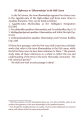
Of the three canonical passages mentioned above, only the first, namely the Aggañña-sutta passage, contains the term dhammakāya, while the other two do not. The reason for which all these passages are
… traditional confines, relying on academic discourse rather than preconceived notions. This inquiry highlights how interpretations of dhammakāya have evolved and the factors that have influenced these shi…
36
References to 'Dhammakāya' in the Pāli Canon
III. References to 'Dhammakāya' in the Pāli Canon
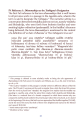
In the Pali canon, the term dhammakāya appears four times: once in the Aggiāṇā-sutta of the Dīgha-nikāya and three more times in Apadāna literature.
…se references within the context of the early Theravāda community during the Pali canonical period, highlighting the importance of the Apadāna literature's canonical status despite being perceived as late…
37
Exploring the Concept of Dhammakāya in the Aggañña-sutta
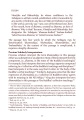
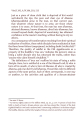
…two novices, namely Väsetṭha and Bhāradvāja, who went forth from Brahmin families and were awaiting higher ordination (upadampadā). In the Buddha’s discourse being delivered, the term dhammakāya is mentio…
…a provides insights into the understanding of dhamma and the spiritual lineage of the Tathāgata. It highlights variations in manuscript editions regarding the address to Väsetṭha and explores scholarly in…
38
Understanding the Concept of Dhammakāya in Buddhist Thought
D.III.84
Vāsettha and Bhāradvāja, he whose confidence in the
Tathāgata is settled, rooted, established, solid, irremovable by
any ascetic or brahmin, any deva or Māra or Brahmā or anyone
in the world
…h as Dutt and Reed suggesting it refers to the Buddha's collective teachings. These interpretations highlight the significance of dhamma as not just a collection of teachings but as an essential part of t…
43
Understanding the Noble Discipleship in Buddhism
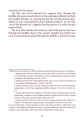
Vin.II.192, A.IV.186, 210, 213
Just as a piece of clean cloth that is deprived of dirt would well-absorb the dye, the pure and clear eye of dhamma (dhammacakku) arose to the man, on that current seat
…ts and fetters. It describes the transformation experienced by those who truly understand Buddhism, highlighting the significance of being a 'true son' of the Buddha, born and created by dhamma. These nob…
44
Qualities of a Stream-Attainer in Buddhism
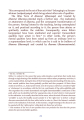
mentioned in the canon.40
The title ‘son of the Blessed one’ suggests that, through the
Buddha, the person was (re)born to the same plane (bhūmi) to which
the Buddha belongs, i.e., passing beyond the
…nding the dhamma, and unwavering faith in the Buddha and Sangha. The qualities of a Stream-attainer highlight the progressive steps one takes towards spiritual realization, rather than differentiating bet…
45
Understanding Dhamma and Spiritual Realization
This corresponds to the set of four activities41 belonging to a Stream-attainer (sotāpattiyānga) which brings about other sets of qualities.
The titles ‘born of dhamma’ (dhammaja) and ‘created by dham
…t through dhamma, emphasizing four key activities that lead to the emergence of noble qualities. It highlights how listening to the Buddha's teachings can purify the mind and facilitate realization of the…
48
Brahmins and Noble Disciples: A Comparative Analysis
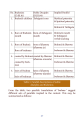
No. | Brahmins (D.III.81) | Noble Disciples (D.III.84) | Implied Parallel
---|------------------------|---------------------------|------------------------
1. | Brahma's children | Tathägata's sons |
The text presents a comparative analysis between Brahmins and Noble Disciples, highlighting their similarities in mythical and spiritual parental origins. It details how both are seen…
49
The Tathāgata and Brahmā: A Semantic Analysis
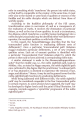
1. The Tathāgata and Brahmā,48 the creator god
2. The Tathāgata's mouth (verbal teaching) & Brahmā mouth.
3. The dhamma and Brahmā, the creator god; or
The dhamma and Brahman, the ultimate reality.
I
This passage delves into the nuanced relationships between the Tathāgata and Brahmā, highlighting the semantic layers present in verbal teachings. It contrasts the Tathāgata's mouth with Br…
51
The Transformative Power of the Noble Eightfold Path in Buddhism
…scendent paths in certain respects. As some scholars have suggested, the 'path' may be developed to higher levels until the point of final liberation. For example, Govinda suggests a 'spiral-like' progres…
…concept of transformation in Buddhist philosophy, specifically through the Noble Eightfold Path. It highlights how this path aids in the eradication of defilements, enabling worldly individuals to become …