

Pāli : ค้นหาหนังสือธรรมะ หน้า 3 / 16
หน้าหนังสือทั้งหมด
18
ความหมายของคำศัพท์ในพุทธศาสนา
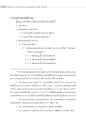
35 Skt: Mahāsāṃghika, Mahāsāṅghika; Pāli: Mahāsamghika, Mahāsamgī- tika, Mahāsāṅghika; Chi: 大衆, 摩訶僧祇 ในหนังสือเกี่ยวกับพระพุทธศาสนาโดยส่วนให…
เนื้อหานี้นำเสนอการศึกษาเกี่ยวกับคำศัพท์สำคัญในพุทธศาสนา รวมถึงคำว่า 'มหาสังิกะ', 'เถรวา', และ 'Ekavyāvahārika'. คำศัพท์เหล่านี้มีความสำคัญในบริบทของพุทธศาสนาไทย โดยเฉพาะการศึกษาในสาขาต่างๆ ที่เกี่ยวข
20
หลักธรรมในนิยายทางพระพุทธศาสนา
…er
__________________________________________________
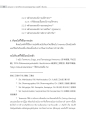
量部, 正量弟子部, 彌離, 三彌底
49 Skt: Mahīsasaka; Pāli: Mahimsāsaka; Chi: 化地部, 正地部, 彌沙部
50 Skt: Dharmaguptaka; Pāli: Dhammaguttika; Chi: 法藏部, 法護部, 墨無德 …
สาระสำคัญของบทความนี้เกี่ยวกับหลักธรรมในนิยายทางพระพุทธศาสนาที่มีการนำเสนอในฉบับที่ 1 ปี 2559 โดยมีการกล่าวถึงการใช้ต้นฉบับที่แตกต่างกันในการแปล รวมถึงรายละเอียดของแต่ละหลักธรรมในนิยาย อาทิ ธรรมคุปต์ก
22
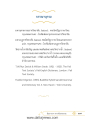
คำสอนเกี่ยวกับอันตรภาพในพระพุทธศาสนา
…—————————
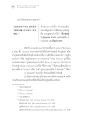
41 29.475a26-27
42 PED s.v. “antara.”
43 PED s.v. “bhava.”
44 T27.309b4-5
45 มรณภาพ (Skt, Pāli: maraṇa-bhava; Chi: 死有)
อันตรภาพ (Skt, Pāli: antarā-bhava; Chi: 中有)
อุบัติภาพ (Skt, Pāli: upapatti-…
บทความนี้มีการกล่าวถึงคำสอนที่สำคัญในพระพุทธศาสนาเกี่ยวกับ 'อันตราพ' หรือช่วงเวลาระหว่างมรณภาพจนถึงการเกิดใหม่ โดยสามารถแบ่งออกเป็น 7 ประเภท หรือ 5 ภพ และการอธิบายความหมายของคำว่า 'antara' และ 'bhava'
48
ธรรมวาท วัตรวาจาการวาทพระพุทธศาสนา ปีที่ 7 ฉบับที่ 2
අทธ, 150
ธรรมวาท วัตรวาจาการวาทพระพุทธศาสนา
ปีที่ 7 ฉบับที่ 2 (ฉบับรวบรวมที่ 13) ปี 2564
"การกำเนินดิ้นายสมวาสติวาท (1)." วาสสาร
ธรรมวาท ปีที่ 3, ฉบับที่ 1 (ฉบับรวมที่ 4), (มกราคม-มิถุนายน
2560): 89-
บทความในวารสารนี้รวบรวมการศึกษาที่เกี่ยวข้องกับธรรมวาทและแนวความคิดทางพระพุทธศาสนา โฟกัสที่การอธิบายและการวิเคราะห์ความสำคัญของคำสอนในคัมภีร์บาลี พร้อมกับการอภิปรายแนวคิดที่สำคัญในพระพุทธศาสนาเถรวาท ก
6
Analysis of Khom Palm Leaf Manuscripts in Thailand
…f the Caturārakkhā-āṭṭhakathā was very knowledgeable about the Dhamma contained in the Tipiṭaka and Pāli Atthakathā. He clearly explained that the Buddhānusati is a recollection of the qualities of two bo…
…horship, period, and content. The author shows a deep understanding of Dhamma from the Tipiṭaka and Pāli Atthakathā, particularly emphasizing Buddhānusati, which refers to recollecting the qualities of Bu…
13
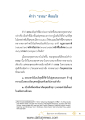
คำว่า ธรรม คืออะไร
คำว่า “ธรรม” คืออะไร
คำว่า ธรรม เป็นคำที่มีมาก่อนการเกิดขึ้นของพระพุทธศาสนา กล่าวคือ เป็นคำที่มีมานับแต่ยุคพระเวท ปรากฏในคัมภีร์ที่เก่าแก่ที่สุดในโลกอย่างคัมภีร์อิรัคเวท เมื่อรวบ 3,500 ปีที่แล้ว และเ
คำว่า 'ธรรม' มีความหมายหลากหลายและมีประวัติศาสตร์ยาวนานตั้งแต่ยุคพระเวท ในพระพุทธศาสนา ธรรมถูกใช้เพื่อบ่งบอกถึงการเข้าใจในกฎธรรมชาติและหลักจริยธรรม ซึ่งรวมไปถึงโลกุตตรธรรมที่ทำให้ผู้คนสามารถก้าวสู่ควา
129
บันทึกบรรณานุกรมพระไตรปิฎกและวรรณกรรมพุทธศาสนา
บรรฑานุกรม
มหาจุฬาลงกรณราชวิทยาลัย. (2543). พระไตรปิฎกภาษาไทย.
กรุงเทพมหานคร: โรงพิมพมหาจุฬาลงกรณราชวิทยาลัย.
มหาจุฬาฯราชวิทยาลัย. (2543). พระไตรปิฎกภาษาไทยและอรรถกถา
แปล. กรุงเทพมหาฯ: โรงพิมพมหาจุ
บรรณานุกรมนี้รวบรวมข้อมูลเกี่ยวกับพระไตรปิฎกในภาษาไทย รวมถึงการตีความและอรรถกถาที่จัดทำโดยมหาจุฬาลงกรณราชวิทยาลัยและวัดปากน้ำภาษีเจริญ นอกจากนี้ยังมีข้อมูลเกี่ยวกับพจนานุกรม Pali-English และไวยากรณ์ขอ
26
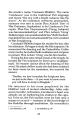
The Art of Mindfulness Meditation
the monk's name 'Candasar Bhikkhu'. The name 'Candasar' was in the traditional Pali language and meant "the one with a bright radiance like the moon". As the ordination ceremony approached, someone wa
This book delves into the principles of mindfulness meditation, offering practical techniques for integrating mindfulness into daily life. It discusses the psychological benefits of meditation, includ
144
ไม่มีข้อมูล
dissatisfaction with contemporary meditation, 36; disinterest in monastic titles, 64; disliked contact with women, 20, 134-135; disturbed by ants, 45; education, 22; eleventh rains, 41; endures pain,
ไม่มีข้อมูลเพื่อสรุปเนื้อหาหรือสร้างบทความ
50
Journey to Dhamma: A Personal Transformation
ERVICE
merits. If I had huge problems, I would make huge
merits. This was how I learned about Wat Phra
Dhammakaya in 2001, under the guidance of a good
fellow (kalyanamitta) from Korat who suggested t
This text chronicles a personal journey of spiritual growth, initiated by the author's experiences at Wat Phra Dhammakaya and the DMC program. From the suggestion of a friend, the author contributed t
29
Introduction to Dhammakaya Meditation
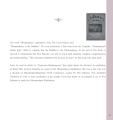
The word “Dhammakaya” appealed to him. The Great Master said, “Dhammakaya is the Buddha.” He even referenced a Pali term from the Tripitika: “Dhammakayo (aham iti.pi,” (Pali) to confirm that the Buddh
The text discusses the meaning of Dhammakaya as the essence of Buddha, citing references from Pali texts. It mentions the influence of Khun Mae Acariya Chandra in advancing meditation practices and ho
27
Exploring the Manuscripts of Nong Pa Fa Cave
…rence between these two writings, they just call them Dham Phra Chao or « Scripts of the Buddha ».
Pāli Mahāvagga
977 Pi Ka Mao Pāli Mahā Vagga
977 (Culla Era) (2158 B.E. – 1615 AD), Year of the Rabbit
…
…anuscripts indicate they were written between the years 931-989 Culla Era and include texts such as Pāli Mahāvagga and Ekanipata. Understanding these writings not only sheds light on the rich cultural int…
68
Dhammakāya and Noble Disciples
…e 3: Dhammakāya and Noble Disciples
Besides the term’s relation to the Buddha and Paccekabuddhas, a Pāli canonical reference mentions also the relation of dhammakāya with noble disciples. This is found in…
In the context of Pāli texts, the term dhammakāya is linked to noble disciples as evidenced in the story of Gotamī, the gr…
82
Interpretations of Dhammakāya in Pali Commentaries
In addition to the above two commentators, Upasena and Buddhadatta141 are also Pali commentators who lived around the same times.142 Upasena agrees with Buddhagōsha in regard to his interpretations of
The text discusses the interpretations of the term 'dhammakāya' by various Pali commentators, focusing on Upasena and Buddhadatta, who align with Buddhagōsha, and their views on the Buddha's qualities
97
Preservation of Palm-Leaf Scriptures in Dai Buddhism
…ncreasing amounts of Dai people
are unable to read and write the ancient Dai Dhamma script or
the Pāli language. The traditional script has been replaced by the
New Dai script developed since the 1950s…
…at limit script learning. The future preservation of these texts may depend on academic interest in Pāli and Dai Dhamma script, as traditional learning sites like temples see reduced participation, especi…
253
Buddhism Studies and Literature
Sam Nhean. (1957). The History of Buddhism in Cambodia. Phnom Penh : TraiRat
Saddhātissa, H. 1990. Pāli Literature of South-East Asia. Singapore: Singapore Buddhist Meditation Centre.
Sehrai, Fidaullah. …
…t contains references to significant works in the study of Buddhism, including historical accounts, Pāli literature from Southeast Asia, and studies on the influence of Indian Buddhism and its Tibetan suc…
29
Perfections in Buddhism: Understanding the Ten Perfected Virtues
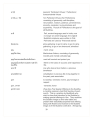
บาลี (parami) 'Perfected Virtues'; 'Perfections'; transcendental virtues
บาลี ๑๐ ทัศ Ten Perfected Virtues (Ten Perfections) consisting of generosity, self-discipline, renunciation, wisdom, patience,
ศึกษาความสำคัญของทัศ 10 ประการในพุทธศาสนา ซึ่งประกอบด้วยความเอื้อเฟื้อ, การมีสติ, การสละ, ปัญญา, ความอดทน, การเพียรพยายาม, ความจริงใจ, การตัดสินใจ, ความเมตตา และความเป็นกลาง การปฏิบัติตามทัศเหล่านี้เป
3
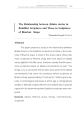
The Relationship between Jātaka Stories in Buddhist Scriptures and Bharhut Stupa Sculptures
…learly shows that many sculptures of Bharhut stupa were built based on Jātaka verses (gāthā) in the Pāli canon, however, besides the Pāli canon, some sculptures based on Jātaka commentaries as well. This …
… at Bharhut stupa. It identifies that many of these sculptures are rooted in Jātaka verses from the Pāli canon, while others draw inspiration from Jātaka commentaries. The research posits that certain Jāt…
4
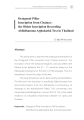
จักรึกสาแปลเดิมอัปลิมยำนนะ: จารึกอรรถกถากอภิวัฒน์ในประเทศไทย
… Pallava script between the 6th – 7th centuries based on the Paleography background. The text is in Pāli language. Thus it is interesting to know the origin of the text.
The study presents an up-to-date r…
บทความนี้ศึกษาการอ่านและแปลจารึกเสาหมายเลขแปดเหลี่ยมจากจังหวัดชัยนาท ซึ่งเป็นจารึกจากอาณาจักรทวารวดี เขียนด้วยอักษรปัลลวะในช่วงศตวรรษที่ 6-7 ตามพื้นฐานของโบราณคดี เนื้อหาภายในจารึกเป็นภาษาพาลี โดยเฉพา
61
The Pali Language and the Theravadin Tradition
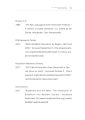
NORMAN, K.R.
1983 “The Pali Language and the Theravadin Tradition.”
A History of Indian Literature: 1-2, edited by Jan Gonda. Wiesbaden: Otto Harrassowitz.
PEW Research Center.
2017 “World Bu
This text discusses the significance of the Pali language within the Theravadin Buddhist tradition. It examines its historical roots, literary contributions, and the ongoing impact on Buddhist practic