

Sambuddha-sutta : ค้นหาหนังสือธรรมะ หน้า 6 / 9
หน้าหนังสือทั้งหมด
230
Insights into Buddhist Teachings
Kondaṇña 142; abstention from killing 158-60; instilled by loving kindness 141; tool of Right Livelihood 144
Right View 20, 39-40, 115, 117, 118, 141, 197: transcendental 39-40; mundane, 39, 147-51; a
This text discusses various Buddhist concepts such as Kondaṇña's role in understanding Right View and the importance of loving kindness and self-discipline in achieving liberation. It highlights examp
236
Glossary of Buddhist Terms
Akiṇiṭṭhā (P. Realm of Supreme anurakkhāṇa-paddhāṇa (maintre Brahmas: see form Brahmā
akusalahamma (see unwhole- anusayā (see subtle defilements)
someness) apilapanasati (see monitoring as- alābha (se
This glossary provides definitions and explanations of essential Buddhist terms, including various realms, states of mind, and notable figures. Key concepts such as Anāgamī (non-returner), anatta (not
251
60+ Books on Buddhist Principles and Thai Tradition
Authorship and compilation of more than sixty book titles including: Ovadapatimokkhā (Thai), The Ten Virtues of a Monarch (Thai), The Virtuous Person the World Awaits (Thai), A Buddhist Way to Overcom
This collection features works authored or compiled by an expert in Buddhist philosophy and Thai traditions. The titles span various themes including virtues of a monarch, Buddhist ways to overcome ob

64
สนทนาธรรมยามว่าง
A&B
สนทนาธรรมยามว่าง
โดย : ดวงธรรม
พระพุทธศาสนา
สอนไพ่พิสูจน์ด้วยตนเอง
A: Are there any dogmas in Buddhism which
we are required to accept on faith?
(ในพระพุทธศาสนามีข้อกำหนดที่บังคับให้
A: Did the Lo
A: Are there any dogmas in Buddhism which we are required to accept on faith? (ในพระพุทธศาสนามีข้อกำหนดที่บังคับให้ A: Did the Lord Buddha himself really teach that rule? (พระสัมมาสัมพุทธเจ้าได้ตรัสสอ

174
ข้อมูลการศึกษา
173
5.235754TH #TEATA, MAHACHAZ ME,
T, STEAK
ÆXX.
\, **¯*+KREUZ±
HE HI TE EYEL
£#£»¯\, \X\-¯Ù‡ØK₺ĿE
A. LIETUSŻÓ, ĦEDZAAK#9. £*
F. #XE&HE KAH CAR
[7]
ZUUĦATE, ZŠTR£££-#F. D
#...200HpZAkif— 38 : * ST X
5.235754TH #TEATA, MAHACHAZ ME, T, STEAK ÆXX. \, **¯*+KREUZ± HE HI TE EYEL £#£»¯\, \X\-¯Ù‡ØK₺ĿE A. LIETUSŻÓ, ĦEDZAAK#9. £* F. #XE&HE KAH CAR [7] ZUUĦATE, ZŠTR£££-#F. D #...200HpZAkif— 38 : * ST X ! 48

178
หัวข้อหลักของหน้านี้
177
JE9+#+k++ 3, -HAHEA. MM1X2 9+1%
17. HAx+pITE LEZ RX ETC.
ZAF#####££»§¥‡ÌL, EA
HF1873 THE SEE M2ZJF sprH -EHkUO,
Lite:
- ÀLK GE;
=› LTE;
= RLHM;
PI, BE11T;
Hi、 ####¥3;
Ả THI:
L THEM
8.235957E1%A3JC
JE9+#+k++ 3, -HAHEA. MM1X2 9+1% 17. HAx+pITE LEZ RX ETC. ZAF#####££»§¥‡ÌL, EA HF1873 THE SEE M2ZJF sprH -EHkUO, Lite: - ÀLK GE; =› LTE; = RLHM; PI, BE11T; Hi、 ####¥3; Ả THI: L THEM 8.235957E1%A3JC, HA
12
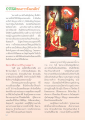
กฎแห่งบารมีและผลของการรังแกสัตว์: การสร้างสรรค์ความสว่างทางธรรม
กรรมของการรังแกสัตว์
ในการสร้างบารมีกันเป็นทีมใหญ่ ซึ่งมีเป้า
หมายเพื่อไปให้ถึงที่สุดแห่งธรรมนั้น จำเป็นต้อง
อาศัยกำลังบุญบารมีมากๆ คือต้องมีบุญใหญ่และ
ร่วมทำพร้อมกันไปเป็นทีม
โดยไม่มีใครน้อยหน้า
เพื่
การก้าวหน้าไปตามเส้นทางบารมีที่สำคัญนั้น จำเป็นต้องพึ่งพาบุญใหญ่และการร่วมทำของทีม. เรียนรู้จากฐานะสูตร (Dhamma Sutta) เพื่อเน้นย้ำการเข้าใจกรรม, การฝึกฝนจิตให้บริสุทธิ์ผ่านพระธรรมกาย, และยอมรับกฎแห่ง
221
การเผยแพร่พระพุทธศาสนาในสหรัฐอเมริกา
(Buddhist Catechism) พิมพ์เผยแพร่ในสหรัฐอเมริกา ในปี พ.ศ.2424 แต่คนยังไม่ได้ให้
ความสนใจเท่าใดนัก จนกระทั่งปี พ.ศ.2436 ท่านอนาคาริก ธัมมปาละ ชาวศรีลังกาเดินทาง
ไปประชุมสภาศาสนา (Parliament of Religion
บทความนี้สำรวจการเผยแพร่พระพุทธศาสนาในสหรัฐอเมริกา เริ่มต้นจากการพิมพ์เผยแพร่ในปี พ.ศ. 2424 โดยมีจุดสำคัญคือการประชุมที่นครชิคาโกในปี พ.ศ. 2436 ที่ท่านอนาคาริก ธัมมปาละและโซเยน ซากุ ได้มีบทบาทสำคัญในก
68
Raising Our Children to be Good People
attend; we just need them to be in a good and positive
environment. Being the number one student in class does not
mean that student will become the richest person in the world.
Knowledge from textboo
การเลี้ยงดูเด็กให้เป็นคนดีนั้นขึ้นอยู่กับสภาพแวดล้อมที่ดีและการเลือกมิตรที่ดี การศึกษาในตำราเรียนไม่เพียงพอที่จะนำไปสู่ความสำเร็จ แต่ยังต้องมีความเคารพและการกระทำที่ถูกต้อง มงคลสูตรชี้ให้เห็นว่าควรหลี
161
ธรรมะเพื่อประช
ธรรมะเพื่อประช
ปลอดภัยเพราะอาศัยผู้รู้
๑๖๐
ความบริสุทธิ์เป็นบ่อเกิดแห่งความสุขความสําเร็จทั้ง
ทางโลกและทางธรรม ความสุขและความบริสุทธิ์นี้ สามารถ
สั่งสมได้ ด้วยการหมั่นให้ทาน รักษาศีล เจริญภาวนาทุกๆ วั
Content discusses the importance of purity and happiness as foundations for worldly and spiritual success. It emphasizes the accumulation of these qualities through regular practice of giving, maintai
27
蒙昆贴年尼祖师的修行历程
蒙昆贴年尼祖师
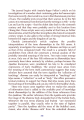
须不农寺学习的方式只注重背诵,无法翻译佛经中的意思,因此在第一年的雨季安居之后,他到曼谷的契度弥寺去居住,以便进一步研习经藏。
在离开须不农寺之前,他将一部Mahasatipatthana Sutta(大念住经)封藏好,以备将来当他能融会贯通,流畅地翻译全经之后,就要结束巴利文藏经的钻研,全心全力投入在静坐修行当中。
空缘与大愿
洪塔萨罗比丘在契度弥寺的学研并不如想象中的那
蒙昆贴年尼祖师在须不农寺学习时,发现仅靠背诵无法理解经文,于是决定前往曼谷的契度弥寺深入研习。在离开前,他准备好Mahasatipatthana Sutta以便未来进行翻译。在契度弥寺,尽管面临生活艰难,如偶尔只得橘子供养,他依然坚持学习,探寻佛法的深意,这反映了当时比丘的生存挑战与信仰力量。
17
Exploration of Pāli Manuscripts in Laos
The journal begins with Anatole-Roger Peltier's article on his investigations of a wooden chest containing palm-leaf manuscripts that were recently discovered in a cave in the Khammouan province of La
This journal features an article by Anatole-Roger Peltier on a wooden chest containing palm-leaf manuscripts found in Laos. The texts, dated to the sixteenth century, reveal their roots in the Pāli ca
33
Reinterpreting Dhammarāya in the Pali Canon
Most of them refer only to the Aggañña-sutta passage, 4 missing out the three Apadāna references. 5 The reason could be either that the scholars concerned have taken the aforementioned text as represe
This paper examines the overlooked references to dhammarāya in the Pali canon, emphasizing a context not previously presented. It critiques the tendency to categorize texts strictly as ‘early Buddhism
43
Understanding the Noble Discipleship in Buddhism
Vin.II.192, A.IV.186, 210, 213
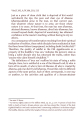
Just as a piece of clean cloth that is deprived of dirt would well-absorb the dye, the pure and clear eye of dhamma (dhammacakku) arose to the man, on that current seat
The text discusses the qualities of noble disciples in Buddhism, emphasizing the importance of clear perception of dhamma and the eradication of doubts and fetters. It describes the transformation exp
49
The Tathāgata and Brahmā: A Semantic Analysis
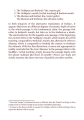
1. The Tathāgata and Brahmā,48 the creator god
2. The Tathāgata's mouth (verbal teaching) & Brahmā mouth.
3. The dhamma and Brahmā, the creator god; or
The dhamma and Brahman, the ultimate reality.
I
This passage delves into the nuanced relationships between the Tathāgata and Brahmā, highlighting the semantic layers present in verbal teachings. It contrasts the Tathāgata's mouth with Brahmā's, ind
51
The Transformative Power of the Noble Eightfold Path in Buddhism
refer to something which 'transforms' the person into noble states, so that itself is comparable to the creator. At the same time, it must refer also to the shared or same kind of qualities or essence
This text delves into the concept of transformation in Buddhist philosophy, specifically through the Noble Eightfold Path. It highlights how this path aids in the eradication of defilements, enabling
55
Implications of Dhamma and Brahma in Buddhist Teachings
While a conclusion is proposed here to some extent, it may be useful to examine further implications from the parallel usage of the term 'dhamma' and 'brahma' elsewhere, for it may add further underst
เนื้อหานี้สำรวจการใช้คำว่า 'ดัมมะ' และ 'บราเหมะ' ในวรรณกรรมพุทธศาสนา และการตีความความหมายที่เชื่อมโยงกันของทั้งสองคำ เป็นการศึกษาความสำคัญของการใช้คำที่ขนานกัน ซึ่งสะท้อนถึงสถานะความบริสุทธิ์สูงสุดที่
56
Understanding Brahmabhūta and the Path to Nibbāna
where all fetters are unrooted, or at least they signify the ‘best’ state.
The same may be said for the parallel of dhammacarĺa and brahmacarĺa. Although these two compounds are normally used in dif
The text discusses how 'brahmabhūta' refers to the state of having eradicated all defilements, allowing one to experience ultimate peace and happiness. It parallels 'dhammacarĺa' and 'brahmacarĺa' as
57
The Concept of Dhamma and Kāya in Buddhist Philosophy
On the whole, it appears that the terms dhamma and brahma constituting four designations of the Tathāgāta are used in the sense of the ‘highest.’ It is most likely that they refer to Nibbāna.
This i
This study examines the terms dhamma and brahma, suggesting that they refer to the highest aspect of Tathāgāta, likely Nibbāna. The term dhamma denotes transcendental realities, transcending the realm
60
Understanding Dhammakāya: The Essence of Transcendental Dhamma
Arhatship (arahattamagga).86 Therefore, the particular path is not a mere ‘collective title’ of the path-constituents but the ‘essential totality’ by which a ‘body’ is defined.
The dependence of funct
This text discusses the concept of Arhatship and the definition of Dhammakāya in the context of Buddhist philosophy. It argues that the path should be seen as an essential totality, forming a 'body,'