

dukkha : ค้นหาหนังสือธรรมะ หน้า 2 / 4
หน้าหนังสือทั้งหมด
212
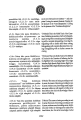
The Noble Truths of Suffering and Cessation
…beration from crav-
<3.4> Idaṁ kho pana bhikkhave, "O! Monks! This is the Noble Truth of the Method
dukkha-nirodhagāminī paṭipāda of Practice for the Cessation of Suffering: the No-
ariyasaccam: ayameva ari…
This text discusses the Noble Truth of suffering (dukkha) and its cessation, emphasizing the importance of extinguishing craving to achieve liberation. It p…
213
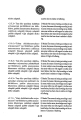
Understanding Suffering and Its Origin
… must be done in relation to Suffering.
<3.5.3> Tam kho panidām dukkham O! Monks! The means of seeing according to real- ari(y)asaccam pari(ñ)atanti me bhik- ity arose; t…
This text discusses the detailed understanding of suffering as articulated by monks. It highlights the arising of wisdom, knowledge, and brightness concerning truths about suffering and its origin tha
241
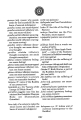
Understanding Sensory Terms in Buddhism
gammo (adj. reason why people icchā (see jealousy)
settle for the household life: see iddhipada (see Four Foundations
harm of sensual-indulgence) of Success)
gandha (scant: see sense-objects) Indra (P
This text delves into various sensory terms found in Buddhist scriptures, particularly focusing on olfactory and gustatory experiences. It covers concepts such as gandha (smell), jihvā (taste), and th
243
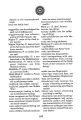
Buddhist Terminology and Concepts
Speech at the transcendental level) see sense consciousness) manussasampatti (see worldly wealth) Mara q.v. (P. devil, demon) maggañāṇa (see knowledge of the path out of defilements) maraṇa (see dying
This text delves into essential Buddhist terms and their meanings. It covers concepts such as Mara (the demon), Mettā (loving-kindness), and the significance of terms like 'maraṇa' (dying) and 'mutti'
185
Glossary of Dhamma Terms
…g the right outlook on life
Duggati: places or realms of existence that are unhappy
and unfortunate
Dukkhata: suffering; refers to the quality of things that
cannot keep their own condition by nature and ha…
…ignificance of giving sermons, the process of forming right outlooks, and the concept of suffering (Dukkha). It also outlines the Eight Precepts, essential ethical guidelines to cultivate good character and…
25
The Essence of Life: Pearls of Inner Wisdom
…dom
15. The Essence of Life
Our body is constantly
being eaten away
by the influences of suffering [dukkha],
impermanence [anicca] and not-self [anatta].
Thus we cannot afford
to waste a single moment,
but …
เนื้อหาเกี่ยวกับความสำคัญของการไม่สูญเสียเวลาในการค้นหาธรรมกายซึ่งเป็นแก่นของชีวิต ในขณะที่ร่างกายของเราเสื่อมสลายจากทุกข์ อนิจจา และอัตตา ธรรมกายมีคุณสมบัติที่ตรงกันข้ามกับร่างกายทางกายภาพ โดยเป็นสิ่
43
Understanding Life Differences Through Buddhism
…ach individual.**
The fact that people all are born humans, but vary in the amount of happiness or Dukkha (suffering) is an indication that the fruits of kamma exist and their retribution is derived from o…
บทความนี้สำรวจความแตกต่างในชีวิตตั้งแต่ความพิการจนถึงสถานะทางสังคม และถามว่าทำไมผู้คนถึงมีความสุขและทุกข์ที่แตกต่างกัน โดยเสนอว่าคำสอนของพระพุทธศาสนาช่วยให้เราเข้าใจเหตุผลที่อยู่เบื้องหลังความแตกต่างเ
179
Practicing Austerity in Buddhism
…ddhist
The Warm Hearted Family
356
Training Ourselves in Non-Resentment by Practicing Austerity (Dukkha)
การฝึกฝนการมีจิตใจที่ไม่เก็บความแค้นผ่านการปฏิบัติธรรมที่เรียกว่า 'อุสาหะ' หรือ 'การยอมรับความทุกข์' เป็นวิธีหนึ่งที่แนวทางของบรรพบุรุษไทยชี้ให้เห็น เพื่อคืนค่าความเชื่อมโยงในครอบครัว โดยเริ่มจากการฝึ
195
Understanding the Three Characteristics and the Law of Kamma
Characteristics (tilakkhana), consisting of impermanence (aniccata), suffering (dukkha), and non-self (anatta). This truth stands behind all living beings in this world.
The truths of …
เนื้อหานี้ให้ความรู้เกี่ยวกับลักษณะสามประการในพุทธศาสนา ได้แก่ อนิจจัง ทุกขัง อนัตตา ซึ่งเป็นความจริงพื้นฐานเกี่ยวกับการดำรงอยู่ของสิ่งมีชีวิตในโลกนี้ พระพุทธเจ้าทรงค้นพบว่าการเข้าใจในกฎแห่งกรรมและลัก
21
การให้และการทำดีในศาสนาพุทธ
…r of your abdomen two finger-breadths above the navel.
ท้พิง refuge; sanctuary
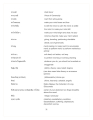
ทุกข์, ทุกข์ danger (dukkha) unsatisfactory condition; dissatisfaction; suffering; displease; discomfort; sorrow.
เนื้อหานี้สำรวจแนวคิดเกี่ยวกับการให้และการทำบุญในพุทธศาสนา รวมถึงความหมายของการทำใจให้นิ่งและแจ่มใส การทำดีและสร้างเสริมคุณธรรมอย่างเช่น ทานบดี และการทำใจหลวมๆ เพื่อเข้าถึงความสงบสุข ทั้งยังมีการพูดถึ
25
The Middle Way: A Path to Liberation
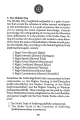
…dha, and gained insight into the Four Noble Truths which comprise:
1. The Noble Truth of Suffering [dukkha ariyasca]
2. The Noble Truth of the Causation of Suffering [dukkhasumudaya ariyasacca]
The Middle Way [majjhima paṭipadā] serves as a balanced path in Buddhism, steering clear of both sensual pleasures and self-mortification. This approach is aimed at tempering the mind, achieving supre
28
Insights into the Three Cycles and Twelve Components of Suffering
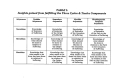
TABLE I:
Insights gained from fulfilling the Three Cycles & Twelve Components
| Ariyasacca | Dukkha Ariyasacca | Samudya Ariyasacca | Nirodha Ariyasacca | Nirodhagamini Patipada Ariyasacca |
| --- | …
This table outlines insights into suffering through the lens of the Four Noble Truths in Buddhism. Each Ariyasacca component provides a deeper understanding of suffering, including its existence, orig
50
Understanding the Noble Truths of Suffering
…f your chest.
1.1.6 Lamentation [parideva]: This is suffering that drives
you to tears.
1.1.7 Pain [dukkha]: This is suffering that makes the mind
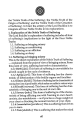
The teachings of the Lord Buddha encompass the Four Noble Truths, with a significant focus on understanding suffering. Suffering is characterized through various forms — from birth to death, highlight
66
The Suffering of Birth and Aging in Buddhist Philosophy
…s said to be the tenth aspect of suffering caused by birth.
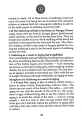
2. Suffering as a result of Aging [jārā dukkha]
The Lord Buddha defined Suffering resulting from aging as the form of suffering that has the chara…
ในพุทธศาสนา, ความทุกข์จากการเกิดเป็นเรื่องสำคัญ โดยเฉพาะการเกิดเป็นสัตว์และวิญญาณหิวโหย ที่จะต้องเผชิญกับการทนทุกข์จากการไม่สามารถบริโภคได้ ในขณะที่ทุกข์จากการแก่แสดงออกถึงการเสื่อมสภาพของร่างกาย เช่น
70
Understanding Suffering: The Dukkha of Illness and Dying
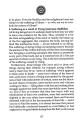
in its place. Even the Buddha and the enlightened ones are
subject to the suffering of illness — so who are we to over-
look the misery of illness?
4. Suffering as a result of Dying [marana dukkhā]
Al
This text delves into the concepts of suffering in Buddhism, particularly focusing on the pain associated with illness and the inevitable reality of death. It elucidates how all beings, including enli
72
The Four Enemies: Understanding Suffering
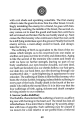
…ings of birth, aging, sickness and death conspire
to bring misery to our existence.
5. Sorrow [soka dukkha]
The Buddha characterized the suffering of sorrow as affect-
ing one with burning in the heart as i…
This text discusses the metaphor of four enemies that represent the sufferings inherent in human existence: birth, aging, illness, and death. Birth is akin to the first enemy, seducing us into life, w
95
The Noble Truth of the Cessation of Suffering
…tion of suffering’.
The root of suffering is craving
The Noble Truth of the Cessation of Suffering [dukkha-nirodha] concerns the extinguishing of craving. There are those who wonder why this Noble Truth sho…
This text explains the Buddha's teaching on the cessation of suffering, emphasizing the importance of extinguishing craving through the Noble Eightfold Path. It highlights that addressing the root of
111
Understanding the Dhammakāya in Insight Meditation
called the ‘Coarse Dhammakāya Arahant’ or the ‘Subtle Dhammakāya Arahant’ — the latter two being the bodies of enlightenment of the arahant. The Dhammakāyas are all transcendental [lokuttara] in natur
This text delves into the concept of Dhammakāya Arahant, distinguishing between the Coarse and Subtle Dhammakāya. It explains that these bodies are transcendental and consist of pure aggregates that a
124
Understanding the Inner Bodies and Enlightenment
…subject to the influence of the Three Signs [tilakkhaṇa], namely: impermanence [anicca], suffering [dukkha] and not-self [anattā]. None of these bodies transcend the mundane level of existence — they are wo…
This text discusses the progression through successive inner bodies leading to the Dhammakāya, emphasizing the distinction between mundane and transcendental bodies. It highlights that all worldly bod
238
Key Terms in Buddhist Philosophy
byādhi (see illness)
byādhi dukkhā (see the suffering of illness)
byāpāda (see vengefulness)
byāpādavitaka (see preoccupation with vengefulness)
cāgo (relinquishing, letting go: see characteristics of
This text delves into significant terms and concepts in Buddhist philosophy, addressing themes such as illness, suffering, relinquishing, and the foundations of success. Important terms like byādhi (i