

need : ค้นหาหนังสือธรรมะ หน้า 36 / 41
หน้าหนังสือทั้งหมด
106
Understanding the Middle Way in Dhamma Practice
… to the other on the same level. At the intersection of the two threads is a point no larger than a needlepoint. This is called the sixth base of the mind. Two fingers’ breadths vertically above this inte…
In his sermon on the Dhammacakkapavattana Sutta, Luang Phaw Wat Paknam elucidates the profound significance of the Middle Way, urging practitioners to find stillness at the body’s central point. This
109
Attaining the Angelic Body through the Middle Way
…a referred to as ‘seeing the body within the body’ which can be compared to a long journey where we need to transit successively from one different sort of vehicle to another in order to reach our destina…
The text discusses the attainment of the Angelic Body through a process of concentration and the sequential progression from the Coarse Human Body to various forms of Brahmā bodies, culminating in the
115
The Journey to Nirvana: Understanding Pathama Magga Sphere
…ary to cultivate the mind further towards yet higher levels of happiness and success. The meditator needs to 'let go' of the Pathama Magga Sphere and the way that is done is to bring the mind to a standst…
This text discusses the Pathama Magga Sphere, emphasizing the importance of continual mental cultivation towards higher levels of happiness and success. It explains how to 'let go' of this sphere, lea
117
The Noble Truth of the Cessation of Suffering
The Noble Truth of the Cessation of Suffering: A Conclusion
The Lord Buddha taught that the cessation of suffering can
be effected by extinguishing all craving through the prac-
tice of the Noble Eigh
The conclusion on the cessation of suffering according to the Buddha highlights the need to extinguish craving through the Noble Eightfold Path. Once craving is eliminated, suffering canno…
123
Understanding Suffering and the Subtle Human Body
…ss, joy and happiness which arises from within the mind — giving the meditator the inspiration they need for the mind to enter yet deeper on the central axis – and the deeper the meditator can go, the str…
This text discusses why most people suffer due to attachment to their physical bodies and possessions, despite intellectually understanding Buddha's teachings on impermanence. The author emphasizes th
131
Mindfulness and Right Concentration in Buddhism
… reality at that level will arise too, allowing wisdom to develop successively — the wisdom that is needed to overcome craving, the origin of suffering.
8. Right Concentration [Sam'mā Samadhi]
Right …
Dieser Abschnitt behandelt die Achtsamkeit gegenüber Dhammas und die richtige Konzentration im Buddhismus. Die Achtsamkeit richtete sich sowohl auf innere als auch äußere mentale Phänomene, die erford
143
Understanding the Dhamma Body and the Noble Path
… follow the Path to completion in such a way is not be-
yond the capacity of mere mortals — all it needs is to apply
oneself (by the principles of the Four Foundations of Suc-
cess — iddhipāda) to prac…
The Dhamma Body can only be perceived beyond the human eye, allowing the Buddha to grasp deep truths about existence. His compassion drove him to teach the Noble Path for the liberation of others, adv
147
The Eightfold Path: Knowledge and Conduct in Meditation
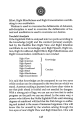
Effort, Right Mindfulness and Right Concentration contributing to our meditation.
Wisdom is used to overcome the defilements of delusion, self-discipline is used to overcome the defilements of hatred
…ion, Right Livelihood, Right Effort, Right Mindfulness, and Right Concentration). It emphasizes the need for clear vision and strong will in the journey towards achieving sainthood, highlighting that this…
162
Teachings of the Buddha on Nobility and Right Action
…hat he was thinking and asked the man his name. “Ariya” replied the man. In fact, the Buddah didn’t need to be told the man’s name. The Buddha gave Ariya a teaching that anyone who still harmed other livi…
In this text, the Buddha teaches that true nobility is defined by one's actions towards living beings. Ariya learns that harming others disqualifies him from being 'noble', resulting in his attainment
168
The Importance of Right Livelihood in Buddhism
…he woman didn’t know its value. The hawker was called in and shown the bowl. He scratched it with a needle and knew it was gold and worth about $1,000, but wishing to have it for nothing, said it was not …
This text discusses the concept of Wrong and Right Livelihood according to Buddhist teachings. It highlights the story of Seriva, a merchant who contrasts moral integrity with a greedy counterpart, de
175
Monitoring and Discretional Mindfulness
7.1 Monitoring Mindfulness
This form of mindfulness is mindfulness that is constantly monitoring the level of wholesomeness in the mind — never letting wholesomeness slip away from the mind and its in
…requiring vigilance over potential threats and benefits within one's environment. It emphasizes the need for awareness in decision-making, maintaining a focus that aligns with positive outcomes. This dual…
176
Understanding Right Concentration in Mindfulness
the emperor. Similarly, discretional mindfulness monitors
all mental phenomena — if it is unwholesome, then to try to
reduce it. If it is wholesome, to give it the chance to grow.
8. Right Concentrat
…ation and the management of mental hindrances is elucidated, drawing parallels between an emperor’s need for oversight and the mind's requirement for focus to navigate challenges effectively. For more inf…
178
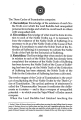
The Three Cycles of Examination in Buddhism
…e the Noble Truth of the Path for the Extinction of Suffering.
3. Katañāna: The knowledge that what needs to be done in relation to each of the Noble Truths has already been completed: the existence of th…
…Kiccanānā addresses the necessary actions toward each truth; Katañāna reflects on the completion of needed actions. The twelve stages of the Cycle emerge from this framework, illustrating the comprehensiv…
190
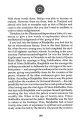
Bahiya and Konḍañña: Paths to Enlightenment
…nd and abroad who look at examples such as that of Bahiya and come to the conclusion that you don't need to meditate in order to attain enlightenment.
Therefore, for the Dhammacakkapavattana Sutta, it is …
This text delves into the spiritual journeys of Bahiya and Konḍañña, highlighting how Bahiya attained arahatship with minimal guidance, raising questions about the necessity of meditation for enlighte
196
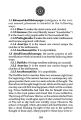
The Dangers of Sensual Pleasures and Self-Mortification
…f self-mortification which is harmful in at least the following three ways:
1.2.1 Dukkho: It brings needless suffering on yourself;
1.2.2 Antioyo: It is the reason one cannot escape the clutches of the de…
In Buddhist teachings, indulgence in sensual pleasures is deemed harmful as it clouds the mind, encourages a household life, collects defilements, and is ultimately unprofitable. Similarly, self-morti
203
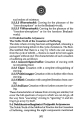
Buddhist Teachings on Cessation of Suffering
…uddha testified that there is a way by which one can escape from the cycle of rebirth — there is no need to be born again and again without end. The characteristics of such cessation of suffering are as f…
This text delves into the Buddhist concepts of craving and the cessation of suffering. It describes various forms of craving and how they lead to rebirth, as well as the Noble Truth of cessation where
207
The Liberation and Enlightenment of Koññña
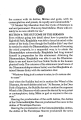
…ñña was able to focus his mind at the centre of the body. Even though the Buddha didn’t say that he needed to attain the Dhammaikāya, the result of focusing the mind properly, in a sequential way, is to a…
This text discusses Koññña's journey towards enlightenment through focusing his mind and understanding the Four Noble Truths. His liberation from the Cycle of Existence is emphasized, marking the sign
208
The Proclamation of Deities in Buddhist Cosmology
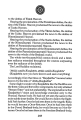
to the deities of Yāma Heaven.
Hearing the proclamation of the Tavātma deities, the deities of the Yāma Heaven proclaimed the news to the deities of Tusita Heaven.
Hearing the proclamation of the Yāma
…ins 'Stream-Entry' at this stage. His insights are limited to the Physical Human body, indicating a need for further advancement on the Eightfold Path. Upon progressing through the subtle realms, he can a…
223
Exploring Dhammakāya and the Eightfold Path
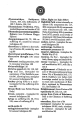
…e 94], {chewing bone, metaphor 205-6; Buddha’s vow before 140;
for sensual indulgence 28] knowledge needed by the Buddha
donkey giving birth to a mule - to reach 140; mechanism of Bud-
{metaphor for the s…
This text delves into the Dhammakāya tradition, highlighting key components of the Eightfold Path and its teachings on defilements, enlightenment, and the nature of suffering. Concepts are illustrated
226
Understanding Key Buddhist Concepts
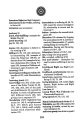
…0
lies, telling (see lying speech)
life, curtailed, suffering of 62
lion and hunter - {metaphor for need to remove suffering at its root 94}
Lifelihood, Right (see Right Livelihood)
lihood, unwholesome (s…
This text delves into central Buddhist themes such as the nature of suffering, the importance of right intention, and the concept of liberation. Key metaphors like the jewel of knowledge and the lion