

The Importance of Right Livelihood in Buddhism : หน้า 168/263
The Buddha’s First Teaching : หน้า 168/263 Explore the teachings of the Buddha regarding Right Livelihood through the story of Seriva Jataka, illustrating honesty and ethical living.
0 ครั้ง
สรุปเนื้อหา
This text discusses the concept of Wrong and Right Livelihood according to Buddhist teachings. It highlights the story of Seriva, a merchant who contrasts moral integrity with a greedy counterpart, demonstrating the moral repercussions of one’s livelihood choices. The tale illustrates how the bodhisatva's honesty not only helps the distressed family but also establishes a moral example, in stark contrast to the opportunistic behavior of the greedy merchant. This narrative serves as a lesson on integrity in business and the importance of compassion and ethics in daily life. The story shows that actions based on ethical principles can lead to greater fulfillment than those driven purely by profit motives.
หัวข้อประเด็น
-Buddhism Teachings
-Right Livelihood
-Wrong Livelihood
-Seriva Jataka
-Moral Integrity
-Compassion in Business
ข้อความต้นฉบับในหน้า
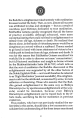
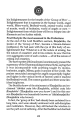
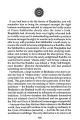
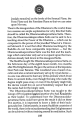
The Buddha said that a person who earns their living by Wrong Livelihood is like someone who intentionally advises a traveller to take a dangerous road, saying that it is safe, but when travelling themselves, will always take another (safer) route.
As for Right Livelihood, there is a good example illustrated in the Seriva Jataka (J.3).
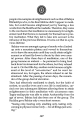
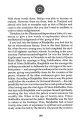
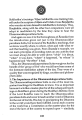
During that lifetime, the bodhisatva was born as a merchant called Seriva from the town of Seriva. Once, in the company of a greedy merchant of the same name, he crossed the Nlampaḥa River and entered Andhapura. In that city was a family who had fallen on hard times, the sole survivors being a girl and her grandmother. The greedy merchant went to their house with his wares. The girl begged her grandmother to buy a trinket, and suggested that they should give the hawker the golden bowl from which they ate. The bowl was a valuable heirloom, but it had lost its lustre and the woman didn’t know its value. The hawker was called in and shown the bowl. He scratched it with a needle and knew it was gold and worth about $1,000, but wishing to have it for nothing, said it was not worth half a farthing — so he threw it away and left. Later, the bodhisatva came to the same street and was offered the same bowl. He told them the truth, gave them all the money he had and his stock, leaving only eight pieces of money for himself. These he gave to the boatman and boarded the boat to cross the river. Meanwhile, the greedy merchant went again to the old woman’s house, hoping to get the bowl in exchange for a few trinkets. When he heard what had happened, he lost control of himself, and throwing down everything on his yoke, he took the bar of the yoke as a weapon and ran down to the river to find the bodhisatva’s boat in mid-stream. He shouted to the boatman to return,
หน้าหนังสือทั้งหมด
1
2
3
4
5
6
7
8
9
10
11
12
13
14
15
16
17
18
19
20
21
22
23
24
25
26
27
28
29
30
31
32
33
34
35
36
37
38
39
40
41
42
43
44
45
46
47
48
49
50
51
52
53
54
55
56
57
58
59
60
61
62
63
64
65
66
67
68
69
70
71
72
73
74
75
76
77
78
79
80
81
82
83
84
85
86
87
88
89
90
91
92
93
94
95
96
97
98
99
100
101
102
103
104
105
106
107
108
109
110
111
112
113
114
115
116
117
118
119
120
121
122
123
124
125
126
127
128
129
130
131
132
133
134
135
136
137
138
139
140
141
142
143
144
145
146
147
148
149
150
151
152
153
154
155
156
157
158
159
160
161
162
163
164
165
166
167
168
169
170
171
172
173
174
175
176
177
178
179
180
181
182
183
184
185
186
187
188
189
190
191
192
193
194
195
196
197
198
199
200
201
202
203
204
205
206
207
208
209
210
211
212
213
214
215
216
217
218
219
220
221
222
223
224
225
226
227
228
229
230
231
232
233
234
235
236
237
238
239
240
241
242
243
244
245
246
247
248
249
250
251
252
253
254
255
256
257
258
259
260
261
262
263
หนังสือที่เกี่ยวข้อง
Load More