

not-self : ค้นหาหนังสือธรรมะ หน้า 13 / 135
หน้าหนังสือทั้งหมด
42
The Evolving Dynamics of Power in the Middle East
36 THE NEW MIDDLE EAST
restoring a balance of power that is not entirely dependent on a long-term, large U.S. military presence with its financial costs and negative political perceptions in the regi
This text discusses the changing power dynamics in the Middle East, particularly the region's responses to Iranian influence and the evolving role of the U.S. Historically reliant on American support,
63
Understanding the Dynamics of Body and Mind through Dhamma Teaching
Meeting #10
04 February 2010
I am here today with a friend and volunteer to the Wat, Jane Welfar. She has been helping various programs here for the past three years, and literally gave up her li
This meeting revolves around a farewell to a dedicated volunteer, Jane Welfar, who has devoted three years to assisting at the Wat. The discussion focuses on Luang Por's insights into the nature of ex
78
Understanding Habits and Their Impact on Health
Suzanne Jeffrey
"Additionally, the environment in which these things are used affects our health and habits. We must pay attention to every small detail. If we have a good doctor, we can help an illn
In this discussion, Luang Por addresses the difficulty of recognizing and changing bad habits, comparing them to an illness. He explains that bad habits are often ingrained from birth and influenced b
153
Creating Good Energy Through Meditation
Suzanne Kettell
When you are sabai and still, you are creating boon or good, pure energy. Therefore, when you come to the end of the time you have set for your meditation session, you have the opport
Meditation is a pathway to creating pure positive energy, referred to as boon. In this practice, after achieving a state of contentment, individuals can spread this energy throughout their surrounding
30
The Essential Role of Teachers in Education
knowledge or science in a way that encourages absorption while correctly and
clearly conveying the subject matter to the pupil.
To be skilled in the art of teaching, teachers must not only deliver the
Teachers play a crucial role in shaping students by blending academic knowledge with moral guidance. A clear understanding of their responsibilities can empower teachers to produce not only intelligen
121
Untitled
Universal Goodness : 119
Therefore, one does not transgress the Third Precept: No sexual misconduct.
A punctual person understands the four forms of suffering and knows to admonish himself. He liste
No content provided to summarize.
3
ไม่มีการให้ข้อมูล
Universal Goodness 3
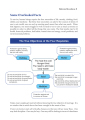
Some Overlooked Facts
To survive, human beings require the four necessities of life, namely, clothing, food, shelter, and medicine. But these four necessities can also be the so
ไม่มีเนื้อหาให้สรุปหรืออธิบายเกี่ยวกับ SEO หรือข้อมูลต่างๆ.
20
The Foundation of Marriage: Sacrifice and Care
After one gets married, the foundation of one's life lies
in sacrifice for each other. If ever we become selfish towards
each other, it will be followed by divorce or murder.
Sacrifice in marriage is
This text discusses the fundamental aspects of marriage, emphasizing that the foundation of a successful relationship lies in sacrifice for one another. It highlights how caring for each other, both p
126
The Stages of Good Deeds
banana blossoms to eat with condiments. And yet we still
have to wait a full year for the fruit.
"The first stage of good deeds: Once we have done
something good, no matter if anybody sees it or not,
The text outlines the four stages of good deeds: self-satisfaction, development of character, recognition of hard work, and societal esteem. It emphasizes patience in expecting the outcomes of good de
195
Understanding the Three Characteristics of Buddhism
Characteristics (tilakkhana), consisting of impermanence
(aniccata), suffering (dukkhata), and non-self (anattata). This
truth stands behind all living beings in this world.
The truths of the Law of K
This text explores the Three Characteristics of Buddhism—impermanence, suffering, and non-self. It discusses how misconceptions among children regarding Buddhist teachings and monks can hinder their u
34
Building a Happy Family Life
Part One: Family Life
2. Does this person have the knowledge, the ability, and
the good character to support our family so that it is
happy and can they help us raise our children to be
respectful, mo
This text discusses the vital qualities necessary for a successful marriage and family life, emphasizing that individuals should marry for the right reasons, focusing on character, self-control, and s
37
Family Life Principles
Part One: Family Life
1. Giving (dana): Loving and living together requires
sharing. Where there is no giving, the atmosphere
feels very unpleasant. Sharing encompasses sharing
of problems, too. When
This text discusses four fundamental principles for enhancing family life: 1. Giving (dana) emphasizes the importance of sharing, including sharing problems to foster support. 2. Polite speech (piyava
157
Self-Realization and the Acceptance of Death
Part Five: Truth for the Family
2. Self-realization: Habitually reflect on the fact that it
is natural for us to die. We have not yet gone beyond
dying. We do not know when we are going to die.
We mus
In this segment, we explore the natural inevitability of death and how it shapes our perspectives on life. Daily reflection on our mortality encourages us to cultivate boonya and engage in good deeds,
12
Dhamma for Laypersons: Building a Stable Family
Although the solution is not simple, that does not mean there is no path to correct and prevent them from occurring. If each person realizes what the heart of the family is and everyone takes the best
The solution to family dilemmas is found in understanding the heart of the family and the teachings of the Buddha. Dhamma for Laypersons comprises four core principles: truthfulness, self-control, end
126
The Stages of Good Deeds and Their Rewards
banana blossoms to eat with condiments. And yet we still have to wait a full year for the fruit.
"The first stage of good deeds: Once we have done something good, no matter if anybody sees it or not,
This text draws an analogy between the stages of good deeds and the growth of banana plants, highlighting four key stages: self-satisfaction, development of character, realization of fortune, and soci
37
Building Good Habits Through Daily Routines
Meetings with a Plummeta Doctor
that schedule almost every day. Now this routine usually starts with us simply getting up
in the morning. Whatever time that may be, we all get up and start our day.
The text discusses the importance of establishing good habits through daily routines in different spaces of the home. It emphasizes the significance of starting the day well, such as making your bed,
91
The Journey of Self-Improvement and Patience
Suzanne Jeffrey
ample, of sitting for long periods of time in meditation. We must also be patient toward
the imperfection of others. And we must practice this. Why? Because this helps us
correct the
In this enlightening text, the author reflects on the journey of self-improvement over a span of thirty-nine years under the guidance of Luang Por Dhammajayo. Through meditation, the author addresses
119
Exploring the Unknown Factor and the Eightfold Noble Path
Suzanne Jeffrey
"The students you are teaching now will be the politicians when you retire. If you do not teach them properly, then who is to blame? We are!! We are to blame because we are probably n
The content emphasizes the responsibility of educators to guide students, as they will shape the future. It discusses various perceptions of the Unknown Factor, including Nibbana, God, and Supreme Kno
133
The Importance of True Friendship and Self-Reflection
for who we are: Not in the mirror, but inside of our mind. If we focus on the external,
then defilements cloud our mind. We will develop false friendships and these are people
around you who have not
In our lives, we encounter both true and false friends. False friends can lead us down destructive paths due to their selfishness, insincerity, and lack of principles. They can contribute to societal
15
Understanding the Role of Precepts in Buddhist Ordination
There are 227 precepts, which include rules, regulations, and traditions that serve as guidelines for those who are ordained. The precepts are tools that help define the differences between right and
The 227 precepts provide rules and guidelines for the ordained, defining right and wrong to help individuals strengthen their determination amidst life's challenges. They ensure that knowledge gained