

practice : ค้นหาหนังสือธรรมะ หน้า 61 / 73
หน้าหนังสือทั้งหมด
71
นั่งสมาธิเพื่อควบคุมสติและจิตใจ
…หลุดพ้นจากการเป็นทาสของเขา
มีความสุขกับความสุข ความบริสุทธิ์ หายสงสัย ทำให้ความวางเป้าหมายชีวิตได้
Practice meditation for yourself: know and see the reality within
in order to be rid of all suffering; escap…
การนั่งสมาธิช่วยให้รู้แจ้งเห็นจริงในการอยู่ร่วมกับทุกข์ สอนให้หลุดพ้นจากการเป็นทาสของมาร และยังนำไปสู่ความสุขและความบริสุทธิ์ในชีวิต เมื่อใจถูกทำให้ละเอียดและบริสุทธิ์ จะเพิ่มบารมีและความสามารถในการกำ
81
ความสำคัญของจิตใจที่นิ่งเพื่อความสำเร็จ
…Buddha within,
and you will become completely still until you cannot be separate from
the Buddha. Practice at this point until you have the feeling of Buddha within,
and become one with Dhamamakaya.
ในเนื้อหานี้กล่าวถึงความสำคัญของการมีจิตใจที่นิ่ง ซึ่งเป็นกุญแจสำคัญในการบรรลุความสำเร็จ โดยการฝึกฝนสติให้มั่นคงจนกลายเป็นหนึ่งเดียวกับพระภายในตัวเรา การฝึกนี้จะช่วยให้เรารู้สึกถึงพระภายในและเป็นหนึ่ง
105
การเป็นนักรบแห่งกองทัพธรรม
…th.
You do not want to be a slave of Mara; when completely detached, you will have more strength to practice meditation and you will succeed.
บทความนี้มีเนื้อหาเกี่ยวกับการค้นพบตัวเองในฐานะนักรบแห่งธรรม โดยการฝึกฝนให้รู้สึกเบื่อหน่ายจากความทุกข์ในวัฏสงสาร สิ่งเหล่านี้จะช่วยให้คุณรู้สึกถึงความหลุดพ้น และมีพลังในทางปฏิบัติธรรม โดยเฉพาะการขจัด
113
ความสุขและความนิ่งในจิตใจ
…ditation hindrances vanish.
You have to work on the relationship between your mind and your center.
Practice again and again. Your mind has to completely attach to the center. Soon you will succeed.
การมีความสุขช่วยให้ใจของเรามีความมั่นคง และเมื่อจิตใจมั่นคงจะทำให้เกิดความสุข การเคลื่อนไหวอาจลดน้อยลงเมื่อเราเข้าใจและจัดการกับสถานะของจิตใจได้ดีขึ้น การเชื่อมสัมพันธ์ระหว่างจิตใจและจุดศูนย์กลางในตัว
58
ภาวิตา พุทธิลก: การฝึกซ้อมเพื่อจิตใจที่สงบ
…นเอง
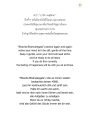
นุ่มนวลควรแก้การงาน
ถ้าทําถูกวิธีจะมีความสุขหล่อเลี้ยงใจอยู่ตลอดเวลา
“Bhavita Bhahuleegata” practice again and again:
notice your mind; let it be still, gentle all the time.
Keep it gentle, soon you…
บทความนี้พูดถึงแนวทางในการฝึกซ้อมการใช้งานจิตใจตามหลักการของ "ภาวิตา พุทธิลก" โดยให้ความสำคัญกับการสร้างจิตที่นุ่มนวลและสงบ ซึ่งจะช่วยให้สามารถทำงานได้อย่างมีประสิทธิภาพ และนำไปสู่ความสุขทางจิตใจอย่าง
64
การปล่อยใจและการทำสมาธิ
…,
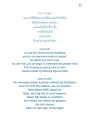
be calm then you will begin to understand this phrase more.
From knowing to seeing; only be calm,
practice harder by following Vajja principle.
“Lass es sein”:
Wir verwenden diesen Ausdruck während der Med…
คำว่า 'ช่างมัน' เป็นคำที่ใช้เมื่อเรารู้สึกไม่สบายใจและไม่เป็นไปตามที่คาดหวัง โดยการปล่อยใจและปรับอารมณ์ให้เย็นลงเราสามารถเข้าใจสมาชิกักกากมมากขึ้น ในกระบวนการนี้ การปฏิบัติอย่างหนักตามหลัก Vajja จะช่ว
66
การผ่อนคลายจิตใจ
…ขอย่างเดียว
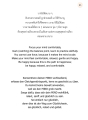
ผ่อนคลาย สบาย
Focus your mind comfortably,
mark (catching) the balance point, learn to practice skillfully.
You cannot use force, because it makes the mind crude.
Make your mind feel comfortable,…
การสร้างสมดุลสำหรับจิตใจเป็นสิ่งสำคัญในการใช้ชีวิต เราควรเรียนรู้ที่จะผ่อนคลายอารมณ์และทำให้จิตใจรู้สึกสะบาย การใช้ความกดดันจะทำให้จิตใจหยาบ และควรหันมาให้ความสำคัญกับความสุขอย่างเดียว นี่คือเส้นทางไป
68
Die Freude des stillen Geistes
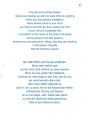
… mind will feel delight:
notice your feeling; you will not really think of anything.
When you first practice meditation,
many stories come to your mind;
you have to let them go, they waste your time.
If your …
In dem Text wird betont, wie wichtig es ist, den Geist während der Meditation zur Ruhe zu bringen. Es wird darauf hingewiesen, dass viele Gedanken auftauchen werden, die jedoch losgelassen werden müss
76
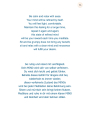
Meditation for Clarity and Calmness
Be calm and relax with ease.
Your mind will be refined by itself.
You will feel light, comfortable.
Maintain this feeling for a longer time,
repeat it again and again;
this state of refined mind
will
Meditation is a powerful practice that allows you to cultivate a refined mind. By sitting calmly and focusing on your thoughts, you c…
86
การฝึกซ้อมการทำสมาธิ
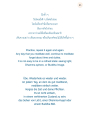
…พราะว่าจะได้ใจที่ละเอียดยิบเป็นสมาธิ เห็นความสว่าง เห็นดวงธรรม หรือเห็นองค์พระไม่ได้เกิดขึ้นง่าย ๆ
Practice, repeat it again and again.
Any day that you meditate well, continue to meditate:
forget about time…
การทำสมาธิเป็นการฝึกที่ต้องใช้เวลาและความพยายาม ควรนั่งสมาธิอย่างต่อเนื่องในวันที่ทำได้ดี โดยไม่ต้องคำนึงถึงเวลาและหน้าที่ เพื่อให้จิตใจเข้าถึงสภาวะที่ละเอียดอ่อน เห็นแสง เห็นดวงธรรม หรือองค์พระไม่ได้
96
การฝึกใจให้หยุดนิ่ง
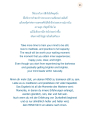
…ินทางเข้าไปสู่ภายในด้วยตัวเอง
Take more time to train your mind to be still,
love to meditate, and practice to full capacity.
The result will be worth your waiting moment:
the moment that you attain inner ex…
การให้เวลากับการฝึกใจให้หยุดนิ่งเป็นสิ่งสำคัญในการเข้าถึงประสบการณ์ภายในที่มีความสุข บริสุทธิ์ ชัดเจน และมีความสดใส แม้จะต้องเริ่มจากความมืด สามารถก้าวไปสู่ความสว่างได้ การทำสมาธิด้วยความรักและความเพี
98
เริ่มต้นฝึกสมาธิอย่างมั่นคง
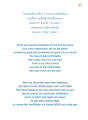
…้องสบาย ๆ ฝึกเบิร์ด ๆ แบบสนุก ๆ ต้องผ่อนคลาย ไม่มีทางเลือกอื่น ต้องสบาย ๆ ใจใส ๆ ใจเย็น ๆ
When you practice meditation for the first few times, your inner experiences are not yet stable: sometimes good and s…
ในช่วงเริ่มฝึกสมาธิใหม่ ๆ ประสบการณ์ของคุณอาจไม่มั่นคง สลับกันระหว่างความรู้สึกดีและไม่ดีได้บ่อยครั้ง นี่เป็นเรื่องธรรมดาที่ทุกคนต้องผ่านไป คุณควรฝึกด้วยความสบายใจ ใช้เวลาในการฝึกอย่างสนุกสนานและผ่อนค
99
การฝึกหยุดแรกเพื่อความมั่นคง
…มั่นประคองให้ดี
เป็นช่วงหัวใจ หัวต่อ
ถ้ารู้สึกเริ่มเค้น ตึง อย่าเสียใจ
เริ่มต้นใหม่ด้วยใจที่สบาย ๆ
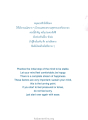
Practice the initial stop of the mind to be stable.
Let your mind feel comfortable; be happy.
There is a com…
การหยุดแรกเป็นการฝึกที่สำคัญเพื่อให้จิตใจมั่นคงและมีความสุข เริ่มต้นด้วยการผ่อนคลายอารมณ์ หากรู้สึกเครียดหรือกดดัน อย่าเสียใจ ควรเริ่มต้นใหม่จากใจที่สบาย สิ่งนี้เป็นจุดเปลี่ยนที่สำคัญในการสร้างสุขภาพจ
103
การศึกษาและวิชาชีวิต
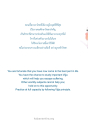
…ill help you escape suffering.
Other worldly subjects cannot help you;
hold on to this opportunity.
Practice at full capacity by following Vijja principle.
บทความนี้กล่าวถึงความสำคัญของการศึกษาและการเรียนรู้วิชาชีวิตซึ่งสามารถช่วยให้เราพ้นจากทุกข์ ด้วยการใช้โอกาสในการศึกษาอย่างเต็มที่และประกอบความเพียรตามหลักวิชา. ใช้ความรู้เพื่อสร้างชีวิตที่ดีขึ้น ด้วยก
118
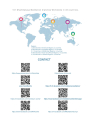
Dhammakaya Meditation Branches Worldwide
101 Dhammakaya Meditation branches Worldwide in 33 countries.
Regions:
1) 20 branches in American Regions, 3 countries.
2) 28 branches in European Regions, 12 countries.
3) 3 branches in Middle East
…and Oceania completes the list with 10 branches in 3 countries. This extensive network promotes the practice of mindfulness and meditation across the globe. For more information on the meditation centers, vis…
41
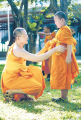
Buddhist Tradition: Monks Assisting Youth
The image appears to show a Buddhist monk or nun assisting a young boy in traditional orange robes. The monk/nun is kneeling and holding the boy's arms, possibly preparing him for a religious or cultu
…h, guiding them through their cultural and religious rites of passage. To learn more about Buddhist practices and traditions, visit dmc.tv.
73
The Source of Faith and Virtue
…t in the woods.
The Buddha's dhamma can be studied because of the time.
Engage in merit, study, practice, learn, and teach others fully, fully, full of health.
What we have reported, especially about th…
เนื้อหาเกี่ยวกับความสำคัญของศรัทธาและความดีในชีวิต ตามหลักธรรมของพระพุทธเจ้า โดยเน้นความสำคัญของการเรียนรู้และการปฏิบัติในการสร้างบุญและความรู้ให้กับตนเอง รวมถึงความสุขที่เกิดจากการศึกษาและสั่งสอนผู้อ

405
…some text and figures related to spiritual or religious themes, likely linked to Hindu or spiritual practices. Sorry, there are no clearly readable characters or words in the image to transcribe.
8
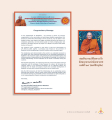
Congratulatory Message for Wat Phra Dhammakaya's 55th Anniversary
…e guide our hearts, bringing peace and harmony to all beings. May this day inspire us to deepen our practice and spread kindness in the world.
This auspicious event, scheduled to take place at Wat Phra Dhamm…
As the Sanghanayaka of Bangladesh, I congratulate Wat Phra Dhammakaya on its 55th Anniversary. This day reflects the Buddha’s wisdom, promoting compassion and peace among all beings. The event on Febr
105
The Art of Mindfulness
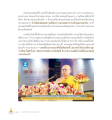
ส่วนหลวงพ่อทัตติชโสภาค ทุกครั้งถ้ามีคนเข้ามาบอกว่าอายุอาจารย์ มาหา หลวงพ่อว่าจะถาม ทุกอย่างเลย ต้องออกไปท่านก่อน เวลาที่หลวงพ่ออยู่กับคุณยาย ภาพที่หลวงพี่ซึ้งจำได้ ติดตา คือหลวงพ่อจะเหมือนเด็ก ๆ คือขา
…he importance of being present and fully engaged in each moment is emphasized, along with how these practices can lead to greater emotional resilience and stress relief. The guide is aimed at anyone looking t…