

Understanding the Dhamma Body and Its Significance : หน้า 113/263
The Buddha’s First Teaching : หน้า 113/263 Explore the concept of the Dhamma Body in Buddhism, its role in overcoming defilements, and achieving enlightenment.
3 ครั้ง
สรุปเนื้อหา
The Dhamma Body, or Dhammakāya, represents the essence of Buddhism, highlighting the journey towards enlightenment. By attaining the Dhamma Body, individuals can free themselves from defilements such as greed, hatred, and delusion. Past struggles with unwholesome behaviors can be overcome through spiritual practices like meditation, ushering in a state of unity with the Dhammakāya. Buddha's teachings are derived from his ultimate enlightenment, which disconnects the mind from worldly desires and unifies it with the Dhammakāya Arahant. True liberation involves recognizing and addressing the inner defilements that hinder spiritual growth. For more insights, visit dmc.tv.
หัวข้อประเด็น
-Dhamma Body
-Dhammakāya
-Overcoming defilements
-Importance of meditation
-Enlightenment in Buddhism
ข้อความต้นฉบับในหน้า
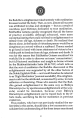
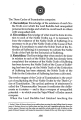
Dhamma Body, thereby make themselves invulnerable to
the action of defilements. In the past we might have been
unable to give up unwholesome behaviours (such as drink-
ing alcohol) in spite of knowing the damage it was doing to
our body and mind, because of the influence of our defile-
ments. Furthermore we might have been too lazy to do
wholesome things (like practising meditation) even though
we knew the value of doing them, because of the action of
defilements. It is only by attaining the Dhamma Body in-
side that one can definitively overcome the action of one’s
defilements—but for as long as one has not yet attained the
Dhamma Body, one will be continually defeated by one’s
defilements.
The Dhamma Body or the Dhammakāya is the essence of
Buddhism. All of the teachings of the Lord-Buddha are de-
rived from the fact that He managed to attain and become
inseparably unified with the Body of Enlightenment inside
Himself, as illustrated by his exhortion:
Dhammakāyo ahaṁ itipi
(My essence is the Dhammakāya)
At that point the mind of the Lord Buddha had become de-
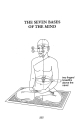
finitively disconnected from all the inner bodies nested at
the seventh base of the mind, from the human physical body
to the Dhammakāya Anāgāmi Body and became perma-
nently united with the Dhammakāya Arahant, whether
asleep, awake, standing, walking, sitting or lying down as
the 'arahaṭṭa sammā sambuddha'.
Every teaching given by the Lord Buddha derived from
the wisdom of the 'arahaṭṭa sammā sambuddha' who had
freed himself of all defilement. Whether it be greed, hatred
or delusion and all the higher and lower fetters [saṁyojana]
111
หน้าหนังสือทั้งหมด
1
2
3
4
5
6
7
8
9
10
11
12
13
14
15
16
17
18
19
20
21
22
23
24
25
26
27
28
29

30
31
32
33
34
35
36
37
38
39
40
41
42
43
44
45
46
47
48
49
50
51
52
53
54
55
56
57
58
59
60
61
62
63
64
65
66
67
68
69
70
71
72
73
74
75
76
77
78
79
80
81
82
83
84
85
86
87
88
89
90
91
92
93
94
95
96
97
98
99
100
101
102
103
104
105
106
107
108
109
110
111
112
113
114
115
116
117
118
119
120
121
122
123
124
125
126
127
128
129
130
131
132
133
134
135
136
137
138
139
140
141
142
143
144
145
146
147

148
149
150
151
152
153
154
155
156
157
158
159
160
161
162
163
164
165
166
167
168
169
170
171
172
173
174
175
176
177
178
179
180
181
182
183
184
185
186
187
188
189
190
191
192
193
194
195
196
197
198
199
200
201
202
203
204
205
206
207
208
209
210
211
212
213
214
215
216
217
218
219
220
221
222
223
224
225
226
227
228
229
230
231
232
233
234
235
236
237
238
239
240
241
242
243
244
245
246
247
248
249
250
251
252
253
254
255
256
257
258
259
260
261
262
263
หนังสือที่เกี่ยวข้อง
Load More