

Understanding the Mind and Success in Buddhist Practice : หน้า 118/263
The Buddha’s First Teaching : หน้า 118/263 Explore the functions of the mind and the path to transcendental success as taught by Luang Phaw Wat Paknam, focusing on attaining Nirvana through self-discipline and wisdom.
0 ครั้ง
สรุปเนื้อหา
This text discusses the four functions of the mind and their impact on achieving success in Buddhist practice, as emphasized by Luang Phaw Wat Paknam. He speaks on the importance of reaching a state of stillness in the mind, which is a prerequisite for attaining the Paṭhama Magga sphere and eventually Nirvana. Nirodha is highlighted as essential in this process, representing both 'stopping' and 'extinguishing' craving. Cultivating self-discipline, concentration, and wisdom are crucial steps toward attaining the Dhammakāya, which leads to liberation and the cessation of suffering. Ultimately, the teachings underline that the certainty of attaining Nirvana is the true form of success.
หัวข้อประเด็น
-functions of the mind
-success in Buddhism
-Luang Phaw Wat Paknam
-path to Nirvana
-nirodha
-self-discipline and wisdom
-noble truths of Buddhism
ข้อความต้นฉบับในหน้า
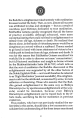
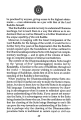
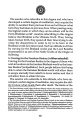
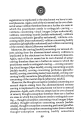
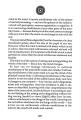
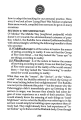
and the four different functions of the mind are scattered in their separate directions like a group of people unable to work as a team — they cannot pool their abilities efficiently.
By 'all success' Luang Phaw Wat Paknam meant all the sorts of success you can think of, but he emphasized success at the level of transcendental [lokuttara] attainment. If one is able to bring the mind to a standstill to the point where one can attain the Paṭhama Magga sphere, one will overcome all reluctance further to cultivate the path towards Nirvana. Thus the real meaning of 'all success' is the certainty of attaining Nirvana.
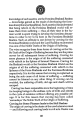
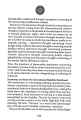
It is for this reason that Luang Phaw Wat Paknam often explained the word 'nirodha' as 'stopping' when he gave sermons — bringing the mind to a standstill at the seventh base of the mind which will eventually lead to liberation.
However, in some of his sermons, Luang Phaw Wat Paknam referred to 'nirodha' as 'extinguishing' — and in such a case he taught that you can attain extinction by cultivating self-discipline [sīla], concentration [samādhi] and wisdom [paññā] — and that there is no other way of attaining extinction. However, all of these things only become manifest if one can attain the eye of the Dhammakāya and use the wisdom of the Dhammakāya. Thus the Noble Truth of the Cessation of Suffering means the extinguishing of craving or the bringing of the mind to a standstill because both these things are the beacons which light the pathway to Nirvana.
หน้าหนังสือทั้งหมด
1
2
3
4
5
6
7
8
9
10
11
12
13
14
15
16
17
18
19
20
21
22
23
24
25
26
27
28
29

30
31
32
33
34
35
36
37
38
39
40
41
42
43
44
45
46
47
48
49
50
51
52
53
54
55
56
57
58
59
60
61
62
63
64
65
66
67
68
69
70
71
72
73
74
75
76
77
78
79
80
81
82
83
84
85
86
87
88
89
90
91
92
93
94
95
96
97
98
99
100
101
102
103
104
105
106
107
108
109
110
111
112
113
114
115
116
117
118
119
120
121
122
123
124
125
126
127
128
129
130
131
132
133
134
135
136
137
138
139
140
141
142
143
144
145
146
147

148
149
150
151
152
153
154
155
156
157
158
159
160
161
162
163
164
165
166
167
168
169
170
171
172
173
174
175
176
177
178
179
180
181
182
183
184
185
186
187
188
189
190
191
192
193
194
195
196
197
198
199
200
201
202
203
204
205
206
207
208
209
210
211
212
213
214
215
216
217
218
219
220
221
222
223
224
225
226
227
228
229
230
231
232
233
234
235
236
237
238
239
240
241
242
243
244
245
246
247
248
249
250
251
252
253
254
255
256
257
258
259
260
261
262
263
หนังสือที่เกี่ยวข้อง
Load More