

self : ค้นหาหนังสือธรรมะ
หน้าหนังสือทั้งหมด

60
4 Self เพื่อการพัฒนาตนเอง
…โลกทันธรรม
เรื่อง : พระมหาสมชาย ฐานวุฑโฒ (M.D., Ph.D.) จากรายการทันโลกทันธรรม ออกอากาศทางช่อง DMC
4 Self
เพื่อการพัฒนา
ตนเอง
อยู่ให
วันนี้เราจะมาศึกษาเรื่อง 4 Self เพื่อการ
พัฒนาตนเอง ปัจจุบันมีหลักในการพ…
เรื่อง : พระมหาสมชาย ฐานวุฑโฒ (M.D., Ph.D.) จากรายการทันโลกทันธรรม ออกอากาศทางช่อง DMC 4 Self เพื่อการพัฒนา ตนเอง อยู่ให วันนี้เราจะมาศึกษาเรื่อง 4 Self เพื่อการ พัฒนาตนเอง ปัจจุบันมีหลักในการพ…

120
การสนทนาเกี่ยวกับอนัตตา
สนทนาธรรมยามว่าง ดวงธรรม
NOT-SELF - THE
DISTINCTIVE BUDDHIST
TEACHING
Tom : When talking about the Three Common
Characteristics of ex…
สนทนาธรรมยามว่าง ดวงธรรม NOT-SELF - THE DISTINCTIVE BUDDHIST TEACHING Tom : When talking about the Three Common Characteristics of ex…

121
องค์ประกอบของบุคคลตามหลักพระพุทธศาสนา
…egates : form, sensation, perceptions, mental
formations, and consciousness.
From this analysis the self is not found. That is
to say, neither the body nor the mind is the self.
Also, Lord Buddha used the…
…egates : form, sensation, perceptions, mental formations, and consciousness. From this analysis the self is not found. That is to say, neither the body nor the mind is the self. Also, Lord Buddha used the…
14
Building a Trustworthy Family
… to have a strong foundation, family
members must have truthfulness or sacca as the first habit.
2) Self-control or dama corrects the problem of
foolishness, of not keeping up with people, the world and
o…
The text emphasizes that honesty and self-control are essential for a trustworthy family environment. Good people avoid associations with dis…
14
Building Strong Family Foundations Through Truthfulness and Self-Control
…to have a strong foundation, family members must have truthfulness or sacca as the first habit.
2) Self-control or dama corrects the problem of foolishness, of not keeping up with people, the world and o…
This text discusses the importance of truthfulness (sacca) and self-control (dama) in family dynamics and personal growth. It emphasizes that individuals with a lack o…
62
Understanding Buddhist Concepts: Key Terms and Definitions
…
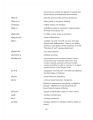
อธิษฐานจิต to make a wish; make a resolution
อธิษฐานบารมี Virtue of Resolution
อนัตตา (anatta) non-self; not-self; no-soul; non-ego; without self; selflessness. There is no lasting essence, only illusion…
This text presents key Buddhist concepts such as 'อนัตตา' (non-self), emphasizing that there is no lasting essence, only the illusion of self that causes attachment. I…
39
Understanding Self-Mortification in Buddhism
…without benefit, unsuitable for a Buddhist monk — and should be shunned, not indulged or prized.
2. Self-Mortification [attakilamathānuyoga]
This is the practice of self-denial or self-mortification — whi…
…t indulgence of the senses is unsuitable for a Buddhist monk and should be avoided. The practice of self-mortification, common among non-Buddhist ascetics, includes extreme forms of self-denial that lead …
237
Exploring Concepts of Buddhist Mythology
…assa (amenable conversation: Brahmas: see form Brahmā realms) see amenable location) attā (see true-self) bhassa (see true-self) attakilamāthānyoga (see self bhava (see sphere of existence) mortification)…
…(development), and defilements. It discusses the nature of craving, the importance of understanding self-centred cravings, and the role of Brahmā in celestial realms along with the factors leading to enli…
30
Untitled
…a
result, one tends to spend frivolously and unwisely.
Impulse and thoughtlessness turn one into a self-indulgent
person. Worse, one is also surrounded by self-indulgent persons
until most Thai people ab…
No summary can be generated due to lack of content.
15
Self-Training and Endurance in Family Life
…inst
your will is because if a type of training cannot change one's
habits, it cannot be considered self-training.
For example, if you are unable to change a habit like
snacking, which is not easy to do, …
This text emphasizes the significance of self-training and self-control in leading a fulfilling life. By acknowledging the need to change negativ…
25
The Four Problems in Marriage
Part One: Family Life
These are: Truthfulness (Sacca), Self-Control (Dama),
Endurance (Khanti), and Sacrifice (Caga). When lacking in
any of these principles, …
…e highlights four essential principles for maintaining healthy relationships: Truthfulness (Sacca), Self-Control (Dama), Endurance (Khanti), and Sacrifice (Caga). Conflict within family structures often a…
184
Glossary of Key Concepts in Buddhist Philosophy
Part Seven: Appendixes
Glossary
Anattata: Non-self; nothing in the world has implicit
identity
"There is nothing out there, not even our bodies, which…
This glossary provides definitions for key Buddhist concepts such as Anattata (non-self), Aniccata (impermanence), and Bhavana (meditation). It emphasizes the understanding that nothing p…
142
Self-Responsibility and Social Development in Buddhism
…ct everyone around them.
“In Western culture, you learn to think of others before you think of yourself. But that is where you lose the sense of self-responsibility. When we are born, when our umbilical …
The text discusses the necessity of self-development before aiding others, emphasizing self-responsibility post-birth. It highlights the cri…
78
The Teachings of the Buddha
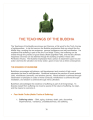
…a emphasized that one should live the Middle Way, avoiding the two extremes: sensual indulgence and self-mortification. He explained that suffering is part of life (the Four Noble Truths), that suffering …
…hings of the Buddha, known as Dhamma, emphasize the Middle Way, avoiding extremes of indulgence and self-mortification. Central to Buddha's teachings are the Four Noble Truths, which acknowledge suffering…
40
The Futility of Self-Mortification
Commentorial Metaphors: Self-mortification:
1. Sugar-cane juice and poison: It can be compared to a mixture of sugar-cane juice …
This text presents a series of metaphors illustrating the perils of self-mortification. Comparing self-harm to poison, stale excrement, and dangerous leaps, it highlights t…
141
Understanding Impermanence, Suffering, and Not-Self
… is something that it is hard to tolerate — creating the feelings such as pain and suffering.
Not-Self [anattā]: The changeability of the Five Aggregates makes them of the nature of suffering. When we t…
…lves into the fundamental Buddhist concepts of impermanence (aniccān), suffering (dukkham), and not-self (anattā) as expressed through the Five Aggregates of the Human Body. It highlights how these aggreg…

14
การสร้างพื้นฐานที่แข็งแกร่งในครอบครัว
… to have a strong foundation, family
members must have truthfulness or sacca as the first habit.
2) Self-control or dama corrects the problem of
foolishness, of not keeping up with people, the world and
o…
… to have a strong foundation, family members must have truthfulness or sacca as the first habit. 2) Self-control or dama corrects the problem of foolishness, of not keeping up with people, the world and o…
77
Addressing Family Issues for Child Development
…d saddened when they are caught doing drugs,
drinking alcohol, and otherwise behaving outrageously.
Self-destructive behavior is just as detrimental to a
child's future as lack of education or lack of foo…
…ses the critical issues faced within families when children are spoiled, leading to unhappiness and self-destructive behaviors. It emphasizes the role of parents as teachers in guiding children towards et…
46
Journey to Joy
…looking for this happiness, but
could never find it. Through meditation, we will
achieve a level of self-love and self-reliance that we
In this chapter, the focus is on cultivating universal love and self-love without expectations. By relaxing the mind through meditation, individuals can achieve inner p…
24
Dhamma for Laypersons and the Four Levels of Beauty
…of his ability, in terms of quality, time, budget, and caring for the quality of mind.
2. Habit of self-training and self-improvement – The study and research in various areas to improve one’s knowledge,…
A person who follows the Dhamma for Laypersons exhibits four habits: responsibility, self-training, endurance, and sacrifice. These traits ensure self-reliance and leadership within familie…