

Understanding the Body of Enlightenment in Buddhism : หน้า 139/263
The Buddha’s First Teaching : หน้า 139/263 Explore the stages of enlightenment in Buddhism, focusing on the Sakidägämi, Anägämi, and Arahant states.
4 ครั้ง
สรุปเนื้อหา
บทความนี้สำรวจระดับต่างๆ ของการตรัสรู้ในพุทธศาสนา โดยเน้นถึงการใช้ร่างกายของการตรัสรู้ เช่น Sakidägämi, Anägämi และ Arahant ซึ่งผู้ปฏิบัติธรรมจะสามารถปล่อยวางข้อผูกพันต่างๆ เพื่อเข้าถึงความรู้สูงและการปลดปล่อยจากนามธรรมในที่สุดผ่านการวิเคราะห์สัจธรรมทั้งในด้านหน้าและด้านหลัง เรียนรู้เพิ่มเติมเกี่ยวกับการใช้ Dhamakäya ในการเข้าถึงความรู้สูงเหล่านี้ที่ dmc.tv
หัวข้อประเด็น
-Sakidägämi
-Anägämi
-Arahant
-Four Noble Truths
-buddhist sainthood
ข้อความต้นฉบับในหน้า
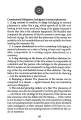
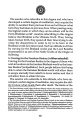
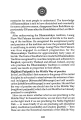
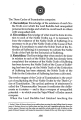
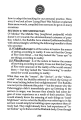
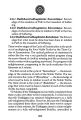
hatred [dosa] and delusion [moha].
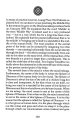
Having attained the Sakidägämi Body of Enlightenment,
the meditator uses this Body of Enlightenment to examine
the Four Noble Truths in the Brahmä Body both forwards
[ analyzes] and in reverse [paüiloma]. In this way, the medi-
tator will manage to release themselves from all five lower
fetters: self-view [sakkayaditthi], doubt [vicikicä], attach-
ment to rites and rituals [silabbatapamada], sense-grasp-
ing [kämaräga] and annoyance [pätighä] — and that per-
son will attain the Anägämi Body of Enlightenment
[Dhammakäya Añägämi]. That person will become a non-
returner [anägämï] —the third level of Buddhist sainthood.
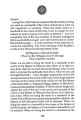
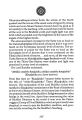
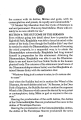
Having attained the Anägämi Body of Enlightenment, the
meditator uses this Body of Enlightenment to examine the
Four Noble Truths in the Formless Brahmä Body both for-
wards [anuloma] and in reverse [paüiloma]. In this way, the
meditator will manage to release themselves from all five
higher fetters: grasping for the form sphere [rüpäräga],
grasping for the formless sphere [ärüpäräga], arrogance
[mäna], absent-mindedness [uddhacca] and ignorance
[avijjä] — and that person will attain the Arahant Body of
Enlightenment [Dhamakäya Anägämi]. That person will
become an arahat — the fourth and final level of Buddhist
sainthood — with no remaining defilements.
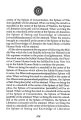
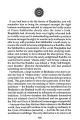
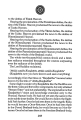
That the Buddha or the arahands are able to eradicate all
the defilements from their minds is achieved by the same
sequential method described above.
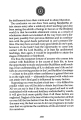
2. Insight into various sorts of higher knowledge
There are various sorts of higher knowledge which are only
accessible by means of attaining the Dhamakäya. The
meditator has attained the various bodies in sequence until
หน้าหนังสือทั้งหมด
1
2
3
4
5
6
7
8
9
10
11
12
13
14
15
16
17
18
19
20
21
22
23
24
25
26
27
28
29

30
31
32
33
34
35
36
37
38
39
40
41
42
43
44
45
46
47
48
49
50
51
52
53
54
55
56
57
58
59
60
61
62
63
64
65
66
67
68
69
70
71
72
73
74
75
76
77
78
79
80
81
82
83
84
85
86
87
88
89
90
91
92
93
94
95
96
97
98
99
100
101
102
103
104
105
106
107
108
109
110
111
112
113
114
115
116
117
118
119
120
121
122
123
124
125
126
127
128
129
130
131
132
133
134
135
136
137
138
139
140
141
142
143
144
145
146
147

148
149
150
151
152
153
154
155
156
157
158
159
160
161
162
163
164
165
166
167
168
169
170
171
172
173
174
175
176
177
178
179
180
181
182
183
184
185
186
187
188
189
190
191
192
193
194
195
196
197
198
199
200
201
202
203
204
205
206
207
208
209
210
211
212
213
214
215
216
217
218
219
220
221
222
223
224
225
226
227
228
229
230
231
232
233
234
235
236
237
238
239
240
241
242
243
244
245
246
247
248
249
250
251
252
253
254
255
256
257
258
259
260
261
262
263
หนังสือที่เกี่ยวข้อง
Load More