

self-responsibility : ค้นหาหนังสือธรรมะ หน้า 14 / 37
หน้าหนังสือทั้งหมด
29
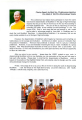
Closing Speech by Most Ven. Phrabhavanaviriyakhun
Closing Speech by Most Ven. Phrabhavanaviriyakhun
Vice Abbot of Wat Phra Dhammakaya Temple
This conference has helped every participant to have the same view that the dissemination of Buddhism in thi
ในการประชุมนี้ ทุกคนมีมุมมองเดียวกันว่า การเผยแผ่พระพุทธศาสนาในยุคเทคโนโลยีสูงนั้นต้องอาศัยชีวิตตามแนวทางของพระธรรม มีการเน้นการปรับปรุงตัวเองและแก้ไขพฤติกรรม ตามห้องทั้งห้าของชีวิต การทำเช่นนี้ทำให้เ
24
Empowering Yourself: The Journey to Self-Reliance
3. SAVE YOURSELF FIRST
We are like a small, helpless baby bird vulnerable to dangers. Save yourself from danger before thinking and worrying about saving others.
After I left home, I never looked back
This text emphasizes the necessity of prioritizing oneself before assisting others, likening individuals to vulnerable creatures that must first ensure their own safety. It recounts personal experienc
25
Teaching Yourself Cleanliness and Discipline
6. TEACH YOURSELF
We must learn how to teach ourselves. I never had to be taught by anyone, yet I know how to do everything on my own. I didn’t know how to read or write, but I observed and I learned
This text illustrates the concept of self-teaching through the author's experiences with cleanliness. Growing up in Nakorn Chaisi, the author learned to clean meticulously without being taught by anyo
68
Understanding Mundane and Transcendental Merit
92. ACQUIRE BOTH MUNDANE
& TRANSCENDENTAL MERITS
Addressing someone who wanted only to meditate and not participate in any mundane chores:
I acquire all forms of merit, mundane and transcendental. Mun
The text discusses the balance between mundane and transcendental merits in personal growth and meditation practice. Mundane merit is achieved through good deeds which contribute to self-development,
90
Endurance and Self-Improvement
136. ENDURE
Have fortitude and tolerance. Do not create any more bad karma for yourself, or you will keep running into hardships.
137. IMPROVE
We have sacrificed many things in order to pursue Perfec
This passage emphasizes the enduring qualities of fortitude and tolerance to avoid bad karma and hardships. It encourages continual self-improvement, urging readers to examine their flaws and make nec
98
The Importance of Humility and Self-Control
153. DON’T LOSE SELF-CONTROL
Keen arrogance out of your heart, even if you think you know better than others. Be humble and patient.
Your teachers and elders have only good intentions for you. Remembe
This text emphasizes the significance of maintaining humility and self-control in personal development and working with others. It warns against arrogance and promotes a patient, ego-less attitude to
22
Understanding the First Noble Truth
-- The First Noble Truth states that all conditioned existence is characterized by suffering or unsatisfactory condition.
-- Suffering exists. Birth, aging, sickness, death, discontentment, disappoint
The First Noble Truth explains that all conditioned existence is marked by suffering. This suffering encompasses various forms such as birth, aging, illness, and death. Essential concepts like attachm
64
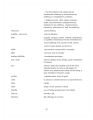
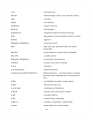
ศัพท์และคำจำกัดความในพระพุทธศาสนา
อเวจี the lowest hell
อสงไขย eternal length of time; eons; eternity; infinity
อสูักะ a corpse
อิงสงสาร non-violence
อิโหสิกรรม forgiven Kamma
อัครสาวก chief disciple
อังคุตตรนาคาย (Anguttaranikaya) Nu
เนื้อหาประกอบด้วยศัพท์และคำจำกัดความในพระพุทธศาสนา เช่น อเวจี (the lowest hell) หมายถึงนรกที่ต่ำที่สุด, อสงไขย (eternity) แสดงถึงระยะเวลายาวนาน, อัตตา (atta) ซึ่งหมายถึงตัวตนหรืออีโก้ของบุคคล นอกจากนี
76
The Journey of Siddhartha: From Suffering to Enlightenment
The arrangement miscarried, however, for on the first three visits that Siddhatha made to the village he saw things that had a deeply traumatic effect on his over-protected consciousness. He was initi
This text traces the transformative journey of Prince Siddhartha in his quest for understanding suffering and achieving enlightenment. Over the course of several visits to the village, he encounters t
81
Understanding the Five Aggregates, Tenfold Path of Wholesomeness, and Four Lofty States of Mind
Khandha 5 Five Aggregates (elements, attributes of being)
1. Rupa form, physical self, body. Rupa is made up of earth, water, air, fire (heat)
2. Vedana feeling, is one of pleasant, unpleasant, ne
This text delves into three significant aspects of Buddhist philosophy: the Five Aggregates which consist of Rupa (form), Vedana (feeling), Samjna (perception), Sankhara (conception), and Vinnana (con
92
Understanding the Importance of the Fifth and Eight Precepts
- Loss of consciousness and sanity
Those who have made a serious breach of this precept will end up in hell or other unhappy realm. As humans, they will be born with mental illnesses, be retarded or
The text discusses the severe consequences of violating the Fifth Precept in Buddhism, leading to unhappiness and potential mental disorders in future lives. It emphasizes the benefits of adhering to
95
Understanding Merit and Its Impact on Life
someone who is angry or hateful. When we are happy and content with ourselves, we project a personality of self-confidence and social grace. For this reason, merit can indeed change our personality to
Merit is an integral part of our personality, bringing satisfaction and contentment while enhancing social grace and self-confidence. It cannot be transferred, as it belongs solely to the individual.
26
The Acrobat's Journey
In no long time the female acrobat, after living with her husband, gave
birth to a son. As she played with the boy, she would address him as
"son of a cart-driver" or "son of a fetcher-of-wood and dra
In a tale of pride and ambition, a female acrobat gives birth to a son while her husband tends to their carts. Despite his efforts, the acrobat remains indifferent, prompting him to learn acrobatics h
12
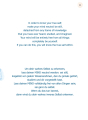
Erkenne dein wahres Selbst
In order to know your true self;
make your mind neutral: be still,
detached from any frame of knowledge
that you have ever heard, studied, and imagined.
Your mind will be entirely free from al
Um dein wahres Selbst zu erkennen, ist es wichtig, deinen Geist neutral zu machen und still zu sein. Lass alle bisherigen Vorstellungen und erlernten Kenntnisse hinter dir. Wenn du dies schaffst, wirs

30
The Middle Way: Balancing Sensual Indulgence and Self-Mortification
the harmfulness of the extremes of sensual indulgence and self-mortification, and advocated the following of the Middle Way or Noble Eightfold Path, the ‘group of five’, especially Keṇḍāṇa who was mos
This text discusses the risks associated with extreme sensual indulgence and self-mortification, underscoring the importance of following the Middle Way or Noble Eightfold Path. It highlights Keṇḍāṇa,
31
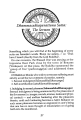
Dhammacakkappavattana Sutta: The Sermon
Dhammacakkappavattana Sutta:
The Sermon
Something which you will find at the beginning of every sutta are Aṅanda’s words 'Evam.e sutam...': i.e. ‘Thus have I heard (directly from the Lord Buddha)
The Dhammacakkappavattana Sutta begins with Aṅanda's phrase 'Thus have I heard' and recounts the Buddha's teachings delivered at the Isipatana Deer Park. The Blessed One addresses the group of five mo
53
The Noble Truth of the Origin of Suffering
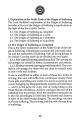
2. Explanation of the Noble Truth of the Origin of Suffering
The Lord Buddha’s explanation of the Origin of Suffering includes all four of the Origin of Suffering’s implications in the light of the Fo
The Lord Buddha explains the Origin of Suffering, emphasizing craving as the root cause affecting all living beings. It identifies two forms of craving: self-centred craving (for personal advantage) a
86
Understanding Craving and Suffering in Buddhism
ing after such wealth, even though it is acquired by honest
means, is still subject to suffering because it contains craving which is the origin of suffering. Even the craving for the
Brahmā-world and
This text delves into the concept of craving in Buddhism, emphasizing that even honest wealth can lead to suffering due to inherent craving. It discusses how aspirations for the Brahmā-world can trap
90
Understanding the Pursuit of Happiness and the Cycle of Existence
Those who search for happiness via sense pleasure only
experience happiness at the moment before suffering mani-
fest itself. As soon as suffering becomes manifest, such peo-
ple are often so shocked
This text discusses the fleeting nature of happiness derived from sense pleasures and the inevitable suffering that follows. It compares individuals ensnared by cravings to a rabbit caught in a hunter
96
Understanding the Root of Suffering
up, but to get rid of the suffering in a way that it will not grow up again, it is not enough simply to cut off the branches and the twigs — the tree must be completely uprooted — that is craving, the
The text discusses how to effectively eliminate suffering by addressing its root cause: craving. It likens the relationship of craving to suffering to a lion hunted by a hunter, emphasizing that unles