

Untitled Book Page : หน้า 111/194
Second to None : หน้า 111/194 This book explores various concepts related to its main themes, providing readers with in-depth insights.
1 ครั้ง
สรุปเนื้อหา
This content delves into the key ideas presented in the book, offering comprehensive explanations and analysis. Readers can expect to encounter a variety of topics that enhance their understanding of the subject matter. For more information, visit dmc.tv.
หัวข้อประเด็น
-main idea 1
-main idea 2
-key concept 1
-key concept 2
ข้อความต้นฉบับในหน้า
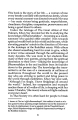
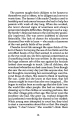
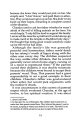
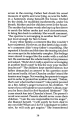
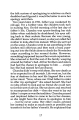
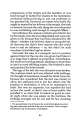
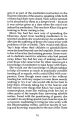
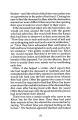
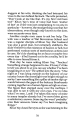
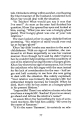
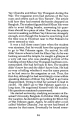
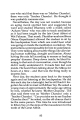
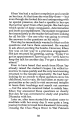
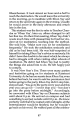
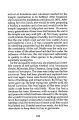
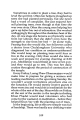
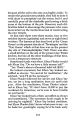
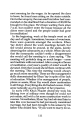
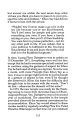
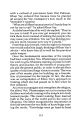
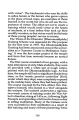
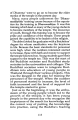
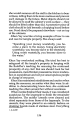
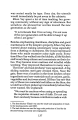
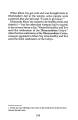
with virtue”. The biochemist who uses his skills to refine heroin or the farmer who grows opium in the place of food crops, are examples of those learned in the world but who do not see the importance of virtue. The abbot set out to create a training which would instil virtue in the hearts of students, at a time before they took up their worldly vocation, so that virtue would be the basis of these young peoples’ service to society.
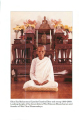
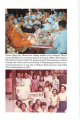
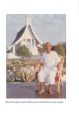
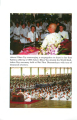
The ‘Heirs of the Dhamma’ [Dhammadāyāda] Training Scheme was organised for this purpose for the first time in 1972. The Dhammadāyāda Training had been announced around the universities as a ‘Summer Course in Meditation Training’. It was the first major project of the temple and from that time onwards became an annual fixture.
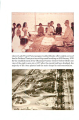
The first course consisted of two groups, with a total attendance of sixty. Male students, they were all provided with a white suit of rough cotton, printed with the Dhammadāyāda logo. At that time, the temple still had no significant shade from trees, so the ‘ascetic practice umbrellas’ [klod], under which they slept, were completely exposed to the midday heat, where they had been pitched. The course was lead by the Vice-Abbot, Ven. Dattajevo himself, who stayed in a ‘klod’ alongside the trainees. The trainees underwent a rigorous two-week course of training under the Vice-Abbot’s direction, rising at 3.45 a.m., following Eight Precepts and spending a full twelve hours-a-day in sitting meditation. Many of the trainees were very successful in their meditation as a result of this training and many of those pioneering ‘heirs
หน้าหนังสือทั้งหมด
1
2
3

4
5
6
7
8
9
10
11
12
13
14
15
16
17
18

19
20
21
22
23
24
25
26
27
28

29
30
31
32
33
34

35
36
37
38
39
40
41
42
43
44
45
46
47
48
49
50
51
52
53
54
55
56
57
58
59
60
61
62
63
64
65
66
67
68
69
70
71
72
73
74
75
76
77
78

79
80
81
82
83
84
85
86
87
88
89
90
91
92
93
94
95
96
97
98
99
100
101
102
103
104
105
106
107
108
109
110
111
112
113
114
115
116
117
118
119
120
121
122
123
124
125
126
127
128
129
130
131
132
133
134
135
136
137
138
139
140
141
142
143
144
145
146
147
148
149
150
151
152
153
154
155
156
157
158
159
160
161
162
163
164
165
166
167
168
169
170
171
172
173
174
175
176
177
178
179
180
181
182
183
184
185
186
187
188
189
190
191
192

193
194
หนังสือที่เกี่ยวข้อง
Load More