

self-understanding : ค้นหาหนังสือธรรมะ หน้า 66 / 72
หน้าหนังสือทั้งหมด
46
Mindfulness Practices in Buddhism
1. mindfulness of the body [kāyunupassanāsatipaṭṭhāna]: Continuously seeing and knowing the body in the body — that is to see and know the subtle inner bodies that lie hidden within our physical body:
This text delves into the four foundations of mindfulness (satipaṭṭhāna) in Buddhism. It teaches practitioners to continuously observe the body, feelings, the mind, and mental phenomena. 'Mindfulness
48
Understanding Dhammacakkapavattana Sutta
mon wouldn't have been called 'Dhammacakkapavattana Sutta' if only the Four Noble Truths or Dependent Origina-
tion or the Factors of Enlightenment were important — thus by the name of the sermon, we
In the Dhammacakkapavattana Sutta, the Buddha presents interconnected teachings that highlight the importance of the Four Noble Truths, Dependent Origination, and the Factors of Enlightenment. The ser
49
The Artistry Behind Preaching the Four Noble Truths
3
The Four Noble Truths
The Artistry Behind Preaching the Four Noble Truths
In the Dhammacakkapavattana Sutta as in his other sermons, the Lord Buddha explains not only Dhamma subjects, but the relat
In the Dhammacakkapavattana Sutta, the Lord Buddha presents the Four Noble Truths, emphasizing their interconnected nature. Each Noble Truth is not standalone; they influence and clarify one another.
50
Understanding the Noble Truths of Suffering
the 'Noble Truth of the Suffering', the 'Noble Truth of the
Origin of Suffering' and the 'Noble Truth of the Cessation
of Suffering'. In brief, the artistry of the Lord Buddha is to
integrate all four
The teachings of the Lord Buddha encompass the Four Noble Truths, with a significant focus on understanding suffering. Suffering is characterized through various forms — from birth to death, highlight
51
Understanding Suffering in Buddhism
depressed and dejected.
1.1.8 Feeling slighted [domanassa] : This is when one has a 'chip on one's shoulder' (to be aggressively sensitive about a particular thing or bear a grudge).
1.1.9 Bemoani
This text explores the concept of suffering as taught by the Buddha, outlining twelve types of suffering including feeling slighted, bemoaning losses, and separation from loved ones. It highlights how
56
The Noble Eightfold Path and the Cessation of Suffering
"The wise one who trains himself [yoĝāvācara] should see that the builder is ‘Craving’ who fashions the home that is the physical body of each and every living being, to keep those living beings being
This text delves into the teachings of the Buddha regarding the nature of craving as the cause of suffering and the means of escape through the Noble Eightfold Path. The concept of the 'Elixir of Deat
58
Understanding the Noble Eightfold Path
Those who are wise and endowed with Right View will see the dangerous reality of craving, and not delay in practising the Noble Eightfold Path as a vessel to take them beyond the Sea of Worldliness.
4
This text discusses the importance of the Noble Eightfold Path as a means to transcend worldly cravings and achieve Nirvana. It elaborates on how it is the strongest method for ending suffering, highl
59
Understanding the Noble Truths of Suffering
by reflecting on Suffering's meaning at 2, 3 and 4 in that
order. As for the the meaning at 2, even though it is con-
cerned with the Noble Truth of Suffering, it has implications
reaching to the Orig
The text reflects on the meanings of Suffering within Buddhism, particularly its Noble Truths. It discusses how the meanings related to Suffering connect with the Origin, Cessation, and the Noble Eigh
69
Understanding Suffering and Aging
bear.
When the sun shines in the morning, all the different flowers of the meadow and the water, open up their petals to welcome its rays. However, when the rays of the sun become hotter, the same flo
This text discusses the philosophical concepts of aging and illness in relation to suffering. It compares the vitality of youth and the deterioration that comes with age to flowers that wither in the
72
The Four Enemies: Understanding Suffering
with cool shade and sparkling waterfalls. The first enemy
offers to take the guard to show him the other forest. Unwit-
tingly mistaking the enemy for a friend, he goes with him.
Eventually reaching t
This text discusses the metaphor of four enemies that represent the sufferings inherent in human existence: birth, aging, illness, and death. Birth is akin to the first enemy, seducing us into life, w
76
Understanding the Aggregates of Clinging in Buddhism
attachment and can therefore lead to suffering. The reason that attachment to the Five Aggregates causes suffering is that they belong to the mundane world [lokiya] and are therefore referred to as ‘A
The Aggregates of Clinging plays a pivotal role in Buddhist teachings on suffering, highlighting how attachment to the Five Aggregates leads to various forms of suffering. While individuals reaching t
77
Understanding the Inevitability of Suffering
4. A Large Ox: Just as a large ox is the unescapable target for swarms of various biting insects no matter where it may roam, the Aggregates of Clinging are the unescapable prey of all twelve forms of
The text discusses how the Aggregates of Clinging, similar to a large ox attracting insects, are perpetually subject to suffering in all realms. It emphasizes the importance of recognizing this suffer
82
Understanding Craving in Buddhism
knowledge of such ascetics are the Formless Brahma Realms — knowledge gained as the result of developing the formless absorptions [arûpajhâna]. Such ascetics misunderstand that being reborn in the For
This text delves into the Buddhist concept of craving, specifically how its pursuit influences rebirth and suffering. It discusses the misinterpretation by ascetics aiming for the Formless Brahmā real
84
The Dangers of Craving in Buddhism
four unfortunate realms [abhāyabhūmi]. Just as the swift currents of a river tend to sweep away all things to the ocean that fall within its reach, desire will tend to pull all beings who entertain it
This text discusses the profound impact of craving on beings, illustrating how it drives them towards hell realms and unwholesome actions. The Buddha's teachings emphasize that craving can lead to sin
85
The Path of Wholesomeness and Unwholesomeness
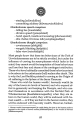
- stealing [adinnāḍāna]
- committing adultery [kāmesumicchācāra]
Unwholesome speech comprises:
- telling lies [musāvāda]
- divisive speech [pisuṇaṅāṭa]
- harsh speech, insults and swearing [pharusavaṭ
In Buddhism, ten unwholesome behaviors are cautioned against: stealing, committing adultery, lying, divisive speech, harsh speech, idle chatter, covetousness, vengeful thinking, and false views. These
88
The Perils of Craving in Buddhist Teachings
past, Ānanda and the rest of the monastic community were moved by the perils of the Cycle of Existence. Having completed his sermon, the Lord Buddha preached on the peril of Craving for the Brahmā-wor
In this teaching, the Buddha emphasized that craving is the root cause of suffering. He illustrated that just as a tree will regrow from its stump if not completely uprooted, suffering will persist if
93
Understanding the Impermanence of the Body and the Pursuit of Transcendence
wise will use the indications of deterioration in their own body to wake themselves up to the fact that the body can offer the spirit no true refuge.
**The Physical Body is a Storehouse of Unwholesome
The text discusses the physical body as a storehouse for unwholesomeness, suffering, and illnesses due to our desires. It contrasts this with the nine supreme transcendental attainments, which include
95
The Noble Truth of the Cessation of Suffering
The Noble Truth of the Cessation of Suffering
When the Lord Buddha had finished his explanation of the origin of suffering, he continued with an explanation of the cessation of suffering. The essence
This text explains the Buddha's teaching on the cessation of suffering, emphasizing the importance of extinguishing craving through the Noble Eightfold Path. It highlights that addressing the root of
97
Understanding Craving and Suffering in Buddhism
practices will lead them to an end of suffering — but without realizing that it is only adding to their suffering. Thus it is compared to a dog who seizes whatever it likes from the owner without tak
This text elaborates on the Buddhist perspective regarding craving as the fundamental cause of suffering. It compares improper practices to a dog snatching things without regard, while proper practice
98
Exploring Sensual Delights and the Six Sense Organs
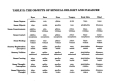
TABLE II: THE OBJECTS OF SENSUAL DELIGHT AND PLEASURE
| | Eyes | Ears | Nose | Tongue | Body Skin
This table presents an intricate overview of the six sense organs in relation to their corresponding objects, consciousness, contact, feelings, registration, volition, craving, thought conception, and