

Choosing the Right Disciples in Buddhism : หน้า 194/263
The Buddha’s First Teaching : หน้า 194/263 An exploration of the Buddha's careful selection of his first disciples and the significance in teaching the Dhamma.
1 ครั้ง
สรุปเนื้อหา
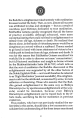
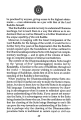
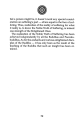
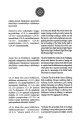
Through his past lifetimes and pursuit of Perfection, the Buddha dedicated six years to discover the Dhamma. Acknowledging the difficulty others may have in understanding, he chose his first disciples with great care. Decisions were made based on Dhamma, not personal relations, emphasizing the importance of inner experience and progress on the Eightfold Path. Notably, he considered the hermit Ālára Kalama, who exhibited substantial progress in meditation, being close to attaining Dhammakāya. This perspective sheds light on the criteria of selecting suitable disciples for propagating Buddhism in new regions.
หัวข้อประเด็น
-Buddhist teachings
-Selection of disciples
-Eightfold Path
-Meditation progress
-Dhammakāya
ข้อความต้นฉบับในหน้า
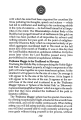
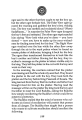
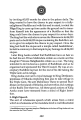
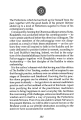
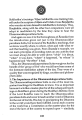
so many lifetimes in his past of pursuing Perfections, still
had to waste six years in the discovery of the Dhamma, stak-
ing his own life for the knowledge — how much harder
would it be for others to understand? He would have to con-
sider his first disciples carefully, because if his first sermon
gave no effect, his dispensation would immediately founder
on the rocks. His decision about suitable disciples was also
important because the way he chose his disciples would later
be used as an example by others when choosing who to teach
in places never exposed to Buddhism before. We see that he
didn't base his decision on himself, or the majority, but on
Dhamma itself. If he were to make the decision based on
himself (i.e. selfishly) then surely he would choose his own
relations or those closest to him at the time before his renun-
ciation as first priority — to teach to Yasodharā or Rāhula
first. However, the Buddha used the quality of inner experi-
ence as the most important in his decision. He had to ask
himself who was the most adept in the Eightfold Path. He
asked himself "who, in this age, is the most free from de-
filements? Who has made the most progress in their medi-
tation?" He could think of two such persons:
Ālára Kalama Hermit: who had been the meditation
teacher who had been able to impart to him the way to
attain the akīncāññāyatana (third) level of arūpajhāna.
If in the words of Luang Phaw Wat Paknam, we could
say that Ālára had made significant progress in his medi-
tation because he had already attained the subtle human
body, the angelic body, the Brahmā body and the form-
less Brahmā body. He would be almost on the brink of
attaining the Dhammakāya. The Buddha thought to
teach this hermit first, but having checked with the
knowledge of the Dhammakāya he found that Ālára had
หน้าหนังสือทั้งหมด
1
2
3
4
5
6
7
8
9
10
11
12
13
14
15
16
17
18

19
20
21
22
23
24
25
26
27
28
29

30
31
32
33
34
35
36
37
38
39
40
41
42
43
44
45
46
47
48
49
50
51
52
53
54
55
56
57
58
59
60
61
62
63
64
65
66
67
68
69
70
71
72
73
74
75
76
77
78
79
80
81
82
83
84
85
86
87
88
89
90
91
92
93
94
95
96
97
98
99
100
101
102
103
104
105
106
107
108
109
110
111
112
113
114
115
116
117
118
119
120
121
122
123
124
125
126
127
128
129
130
131
132
133
134
135
136
137
138
139
140
141
142
143
144
145
146
147

148
149
150
151
152
153
154
155
156
157
158
159
160
161
162
163
164
165
166
167
168
169
170
171
172
173
174
175
176
177
178
179
180
181
182
183
184
185
186
187
188
189
190
191
192
193
194
195
196
197
198
199
200
201
202
203
204
205
206
207
208
209
210
211
212
213
214
215
216
217
218
219
220
221
222
223
224
225
226
227
228
229
230
231
232
233
234
235
236
237
238
239
240
241
242
243
244
245
246
247
248
249
250
251
252
253
254
255
256
257
258
259
260
261
262
263
หนังสือที่เกี่ยวข้อง
Load More