

Understanding Craving and Suffering in Buddhism : หน้า 97/263
The Buddha’s First Teaching : หน้า 97/263 Explore how Buddha's teachings on craving reveal the roots of suffering and the path to liberation through mindful practice.
0 ครั้ง
สรุปเนื้อหา
This text elaborates on the Buddhist perspective regarding craving as the fundamental cause of suffering. It compares improper practices to a dog snatching things without regard, while proper practices are likened to a gardener who diligently removes weeds from their roots. By addressing craving at its core—similar to uprooting weeds—Buddhists can eliminate all forms of suffering. The teachings emphasize overcoming attachments to worldly desires as a critical step towards extinguishing craving. Craving manifests at various levels of sensory processing, revealing multiple avenues for practitioners to tackle in their journey towards enlightenment. To effectively reduce suffering, practitioners must focus on uprooting their attachments, ultimately leading to deeper understanding and liberation from the cycle of suffering.
หัวข้อประเด็น
- Craving as the root of suffering
- The importance of proper Buddhist practice
- Comparison of improper vs. proper practices
- The gardener analogy in overcoming craving
- Sensory processes and their relation to craving
- Methods to extinguish craving
ข้อความต้นฉบับในหน้า
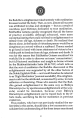
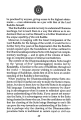
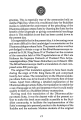
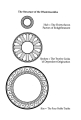
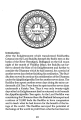
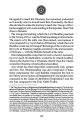
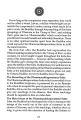
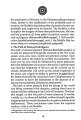
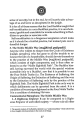
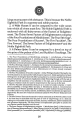
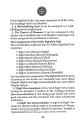
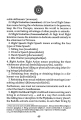
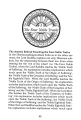
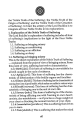
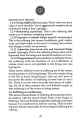
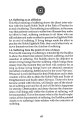
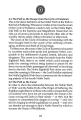
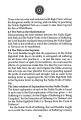
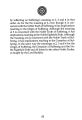
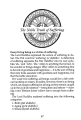
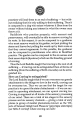
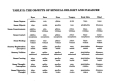
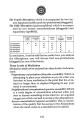
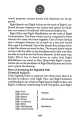
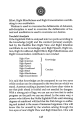
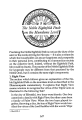
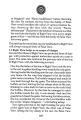
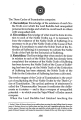
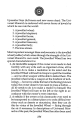
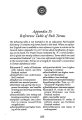
practices will lead them to an end of suffering — but without realizing that it is only adding to their suffering. Thus it is compared to a dog who seizes whatever it likes from the owner without taking any interest in what the owner may throw at it. Buddhists who practise properly, with earnest and perseverance, will eventually be able to remove craving by its roots. In this respect, it can be compared to a gardener who must remove weeds in his garden, not just picking the stems and leaves but pulling the weeds up by their roots so that they cannot regenerate. In this parable, the gardener can be compared to practitioners who strive in Buddhist practice. The garden can be compared to the six senses and their sense objects [āyatana] which are the breeding ground of craving. Thus the Lord Buddha taught that craving is the root of all suffering — if craving can be extinguished then all forms of suffering (from the suffering of birth onwards) can be extinguished too. How can Craving be extinguished? The Lord Buddha taught that if we can overcome our greedy attachments to the things we love in the world, craving can be overcome too. Thus we can see that the target for our practice is to uproot the state of attachment — if we can succeed in uprooting attachment, we can uproot craving too. Craving is engrained at all levels of the sensory processing of our mind. There are a total of ten stages in the sensory process and six sensory channels — giving a total of sixty places (a group of mental phenomena known as the ‘Objects of Sensual Delight and Pleasure’ [pīyarūpa sātarūpa] (see Table II overleaf) where craving can lurk!
หน้าหนังสือทั้งหมด
1
2
3
4
5
6
7
8
9
10
11
12
13
14
15
16
17
18
19
20
21
22
23
24
25
26
27
28
29

30
31
32
33
34
35
36
37
38
39
40
41
42
43
44
45
46
47
48
49
50
51
52
53
54
55
56
57
58
59
60
61
62
63
64
65
66
67
68
69
70
71
72
73
74
75
76
77
78
79
80
81
82
83
84
85
86
87
88
89
90
91
92
93
94
95
96
97
98
99
100
101
102
103
104
105
106
107
108
109
110
111
112
113
114
115
116
117
118
119
120
121
122
123
124
125
126
127
128
129
130
131
132
133
134
135
136
137
138
139
140
141
142
143
144
145
146
147
148
149
150
151
152
153
154
155
156
157
158
159
160
161
162
163
164
165
166
167
168
169
170
171
172
173
174
175
176
177
178
179
180
181
182
183
184
185
186
187
188
189
190
191
192
193
194
195
196
197
198
199
200
201
202
203
204
205
206
207
208
209
210
211
212
213
214
215
216
217
218
219
220
221
222
223
224
225
226
227
228
229
230
231
232
233
234
235
236
237
238
239
240
241
242
243
244
245
246
247
248
249
250
251
252
253
254
255
256
257
258
259
260
261
262
263
หนังสือที่เกี่ยวข้อง
Load More