

The Renunciation of the Bodhisatva : หน้า 154/263
The Buddha’s First Teaching : หน้า 154/263 Explore the journey of the bodhisatva as he renounces worldly pleasures and develops Right Intention through meditation and mental powers.
0 ครั้ง
สรุปเนื้อหา
In his quest for enlightenment, the bodhisatva grapples with renouncing the comforts of Mithila, contemplating his intentions for four months. Upon retreating into the forest, he meditates and develops mental powers while striving to detach from vengefulness and aggression. This illustrates the concept of Right Intention, embodying thoughts and actions that are wholesome. The narrative draws parallels with King Dhammāsoka, whose generous practices were recognized by celestial beings. These themes highlight the significance of intention in shaping one's spiritual path and moral actions. For more insights, visit dmc.tv.
หัวข้อประเด็น
-Bodhisatva's Journey
-Renunciation and Meditation
-Right Intention
-Dhammāsoka's Generosity
ข้อความต้นฉบับในหน้า
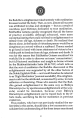
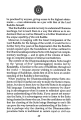
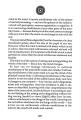
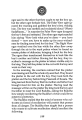
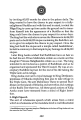
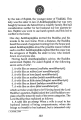
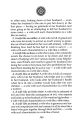
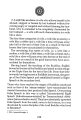
"Oh! When will I be able to leave this prosperous Mithila with its castles and towers, abundance of the four requisites?"
The bodhisatva thought in this way for four months before he was able to fulfill his renunciation. Such thinking can be referred to as 'the intention to remove oneself from sensual desire'.
When the bodhisatva had renounced the world to live in the forest, he meditated upon a kasiṇa until being able to develop mental powers [abhiññā] together with the intention to remove himself both from vengefulness and aggression. At that time, the bodhisatva would have developed Right Intention at the mundane level.
In addition, any mood which leads us to think in a way which is unwholesome — to intend to have unwholesome deeds, words or thoughts — can also be considered to be a sign of False Intention. On the contrary, any intention to have wholesome deeds, words or thoughts can be considered as Right Intention.
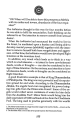
A good illustrative example is that of King Dhammāsoka of Pātaliputta. The king was very powerful and his reputation spread far and wide. According to the Dhammāsoka Jātaka, the angelic host even recognized his power bringing him gifts from the Himavanta Forest¹. Some of the angels would collect seven containers of water for him daily from the Anodāta Pool². Minor birds would bring him the daily equivalent of 9,000 cartloads of rice from the Chaddanta Pool. The king used to practise generosity with his wealth
¹. The Himavanta Forest on a huge mountain range to the north of India — known as the Himalayas in the present day.
². The Anodāta Pool is one of the seven pools found in the Himavanta Forest.
หน้าหนังสือทั้งหมด
1
2
3
4
5
6
7
8
9
10
11
12
13
14
15
16
17
18

19
20
21
22
23
24
25
26
27
28
29

30
31
32
33
34
35
36
37
38
39
40
41
42
43
44
45
46
47
48
49
50
51
52
53
54
55
56
57
58
59
60
61
62
63
64
65
66
67
68
69
70
71
72
73
74
75
76
77
78
79
80
81
82
83
84
85
86
87
88
89
90
91
92
93
94
95
96
97
98
99
100
101
102
103
104
105
106
107
108
109
110
111
112
113
114
115
116
117
118
119
120
121
122
123
124
125
126
127
128
129
130
131
132
133
134
135
136
137
138
139
140
141
142
143
144
145
146
147

148
149
150
151
152
153
154
155
156
157
158
159
160
161
162
163
164
165
166
167
168
169
170
171
172
173
174
175
176
177
178
179
180
181
182
183
184
185
186
187
188
189
190
191
192
193
194
195
196
197
198
199
200
201
202
203
204
205
206
207
208
209
210
211
212
213
214
215
216
217
218
219
220
221
222
223
224
225
226
227
228
229
230
231
232
233
234
235
236
237
238
239
240
241
242
243
244
245
246
247
248
249
250
251
252
253
254
255
256
257
258
259
260
261
262
263
หนังสือที่เกี่ยวข้อง
Load More