

truth : ค้นหาหนังสือธรรมะ หน้า 23 / 25
หน้าหนังสือทั้งหมด
52
Understanding Suffering in Buddhism
… affliction
This third meaning of suffering shows the direct inter-rela-
tion with the fourth Noble Truth of the Path of Practice for
an end of suffering. That suffering is an affliction, in the same
way t…
…n Buddhism, emphasizing its inter-relation with the cessation of suffering as outlined in the Noble Truths. It highlights that suffering is akin to an affliction that persists when one neglects to practice…
60
The Noble Truth of Suffering
The OCR result from the image reads:
---
**4 The Noble Truth of Suffering**
Every living being is a victim of suffering
The Lord Buddha explained the nature of…
The text delves into the concept of suffering, known as *dukkha*, as articulated by the Lord Buddha. It defines *dukkha* by its roots, explaining the inherent negativity of existence. Without sufferin
65
Aspects of Suffering in Birth
and stabbed with razor-sharp knives. This fifth aspect of suffering at birth is known as 'gabbha nikkhamana mūlaka dukkha'.
1.6 The Suffering of Curtailed Life
From the moment the baby leaves the womb
…ed connection between birth and the spectrum of suffering across existence, emphasizing a universal truth that transcends individual circumstances.
80
The Three Forms of Craving in Buddhism
…f one motivated by craving for sense-pleasure and the Lord Buddha enumerated it as one of the Noble Truths of the Origin of Suffering.
2. Craving for the Form Realms [bhavatānha]
Craving for the Form Real…
The Lord Buddha identified three types of craving: 1) Craving for Sense-Pleasure (kāmaṭhaṇa) signifies a longing for sensory experiences which misleads individuals into thinking happiness comes from e
86
Understanding Craving and Suffering in Buddhism
ing after such wealth, even though it is acquired by honest
means, is still subject to suffering because it contains craving which is the origin of suffering. Even the craving for the
Brahmā-world and
…sal Characteristics—impermanence, suffering, and not-self. By understanding and reflecting on these truths, practitioners can strive toward escaping the cycle of rebirth and ultimately attain Nirvana, the …
111
Understanding the Dhammakāya in Insight Meditation
…tive. The ‘Dhamma’ eye is the eye of the ‘Body of Dhamma’ which has the ability to penetrate to the truth, especially to know the origins of defilements, how they come
This text delves into the concept of Dhammakāya Arahant, distinguishing between the Coarse and Subtle Dhammakāya. It explains that these bodies are transcendental and consist of pure aggregates that a
118
Understanding the Mind and Success in Buddhist Practice
…st if one can attain the eye of the Dhammakāya and use the wisdom of the Dhammakāya. Thus the Noble Truth of the Cessation of Suffering means the extinguishing of craving or the bringing of the mind to a s…
This text discusses the four functions of the mind and their impact on achieving success in Buddhist practice, as emphasized by Luang Phaw Wat Paknam. He speaks on the importance of reaching a state o
119
The Noble Truth of the Path to the Cessation of Suffering
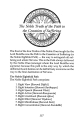
The Noble Truth of the Path to the Cessation of Suffering
The final of the four Truths of the Noble Ones taught by…
The Noble Eightfold Path, the final of the Four Noble Truths, is the way to eliminate suffering and attain Nirvana. It consists of eight components: Right View…
140
Understanding the Dhammakāya and Its Mind
reaching the Dhammakāya and becoming one and the same as the Dhammakāya. The body of the Dhammakāya incorporates layers of perception, sensory registration, central processing and cognition in just th
…defilements. At this stage, the meditator completes their mental work, having realized the profound truths of existence by discerning the Three Signs.
142
The Path to Enlightenment: Understanding Dhammakāya
…contrast, de-
pends on the Dhammakāya — it is knowledge based on
true wisdom such as the Four Noble Truths — accessed
by seeing and knowing directly the arising of suffering,
craving as its cause, that bec…
This text discusses the distinction between knowledge gained through cognition and that which arises from true wisdom based on the Dhammakāya. It details the bodhisatva's rigorous meditation practice
143
Understanding the Dhamma Body and the Noble Path
…dations of Suc-
cess — iddhipāda) to practising the Noble Eightfold Path.
Conclusion of the Noble Truth of the Path to the Cessation of Suffering
Anyone who has the wisdom to recognize that to cultivate…
The Dhamma Body can only be perceived beyond the human eye, allowing the Buddha to grasp deep truths about existence. His compassion drove him to teach the Noble Path for the liberation of others, ad…
168
The Importance of Right Livelihood in Buddhism
…left. Later, the bodhisatva came to the same street and was offered the same bowl. He told them the truth, gave them all the money he had and his stock, leaving only eight pieces of money for himself. Thes…
This text discusses the concept of Wrong and Right Livelihood according to Buddhist teachings. It highlights the story of Seriva, a merchant who contrasts moral integrity with a greedy counterpart, de
175
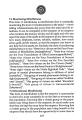
Monitoring and Discretional Mindfulness
… “this group of mental phenomena belong to insight [vipassanā]”, “this group of virtues are called ‘truthfulness’ [sacca]”, “this group of virtues are called ‘liberation’ [vimutti]”, “this group of virtues…
Monitoring mindfulness involves a constant awareness of the wholesomeness in the mind, akin to a treasurer who tracks the assets of an emperor. It encompasses the recognition of various virtues essent
185
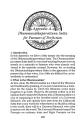
Exploration of the Dhammacakkapavattana Sutta
Appendix A.
Dhammacakkapavattana Sutta
for Pursuers of Perfection
1. Introduction
In this Appendix we delve a little deeper into the meaning of the Dhammacakkapavattana Sutta. The Dhammacakkapava
…thers. Understanding this context helps demystify the Sutta’s teachings for contemporary seekers of truth. For more insights, visit dmc.tv.
197
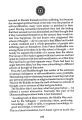
The Middle Way: Buddha's Revolutionary Teaching
… what any previous philosopher or religious leader had ever taught. Thus for the Buddha to deny the truth of these two schools of thought, was to overturn all that had gone before.
The Buddha didn’t just d…
This text discusses the historical context of the Buddha's teachings, emphasizing how many were misled by the practice of self-mortification in their quest for liberation from suffering. It highlights
204
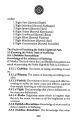
The Noble Eightfold Path and Its Fruits
…centration [Sammā Samādhi]
The Fruits of Practising the Noble Eightfold Path
3.5 Knowing the Noble Truth of Suffering
3.5.1 Dukkha Saccānāna:
Knowledge of the existence of Suffering
O! Monks! The fruit wh…
The Noble Eightfold Path consists of eight practices aimed at ethical and mental development, leading to enlightenment. The path includes Right View, Intention, Speech, Action, Livelihood, Effort, Min
211
Ariyo Aṭṭhiko Maggo: The Noble Eightfold Path
…hittena paṇḍupādānaka-khaṇḍha dukkha”.
<3.2> Idaṃ kho pana bhikkhave, "O! Monks! This is the Noble Truth of the Origin dukkhasamudayo ariyasaccam: of Suffering: Craving which: gives rise to rebirth; <3.2.…
เนื้อหาเกี่ยวกับหนทางอันประเสริฐของพระพุทธศาสนา ซึ่งประกอบด้วยความเข้าใจที่ถูกต้อง, ความคิดที่ถูกต้อง, การพูดที่ถูกต้อง, การกระทำที่ถูกต้อง, การดำรงชีวิตที่ถูกต้อง, ความพยายามที่ถูกต้อง, ความตั้งมั่นท
215
The Tathāgata and the Cycle of Enlightenment
Yāva kivāñca me bhikkhave, imesu "O! Monks! If the Tathāgata had not fully com-
catusu ariyassaccevaṁ tiparivattaṁ completed these three cycles with their twelve com-
dvaḍasākāraṁ yathābhuṭṭaṁ nān
… this text, the Buddha addresses monks, emphasizing that he has fully completed the three cycles of truth, which affirms his status as a fully self-enlightened Buddha. He claims that this enlightenment is …
220
Exploring the Path to Enlightenment in Buddhism
…51; as deathlessness 52; as release 51; as stopping conditioning 51-2 Cessation of Suffering, Noble Truth of, 21, 51-2, 93ff., 199, 201; characteristics 201 chains {metaphor for craving 87] chariot of Dham…
This text delves into various aspects of Buddhism, focusing on the mechanisms of enlightenment through chanting and the Dhammacakkapavattana Sutta. The practices necessary for attaining enlightenment
226
Understanding Key Buddhist Concepts
…s of 197; with Dhammakaya 110
knowing, jewel- 110
knowledge 145, 202: of the existence of the Noble Truths 22, 23, 176, 202, 203, 204; of the path out of defilements 18; required by Buddha to reach enlight…
This text delves into central Buddhist themes such as the nature of suffering, the importance of right intention, and the concept of liberation. Key metaphors like the jewel of knowledge and the lion