

Understanding Dhamma and the Path to Enlightenment : หน้า 124/135
Khun Yai’s Teachings : หน้า 124/135 Explore the concepts of Dhamma, meditation, and enlightenment in Buddhism. Discover the significance of the Dhammakaya and its teachings.
0 ครั้ง
สรุปเนื้อหา
This text discusses fundamental Buddhist concepts including Dhamma, a state of meditative attainment leading to super insight, and the Dhammakaya, the Body of Enlightenment. It highlights Buddha's role as the ‘awakened one’ and explains the historical context of Buddha teachings. The term ‘mangala’ refers to blessings that foster success, while the notion of the field of merit underscores the importance of virtuous recipients within the Buddhist community. The Dhammakaya meditation, a profound technique communicated through generations, remains vital to realizing the truth of existence and enlightenment. For more insights, visit dmc.tv.
หัวข้อประเด็น
-Dhamma and its significance
-Dhammakaya meditation
-Concept of enlightenment in Buddhism
-The role of blessings (mangala)
-Buddha's teachings and their impact
-Understanding the field of merit
ข้อความต้นฉบับในหน้า
Attaining Dhamma: meditative attainment; a state of absorption in meditation where the mind achieves super insight and knowledge; knowing and seeing according to the truths.
Attaining the Dhammakaya: a state of absorption in meditation where the mind achieves super insight and knowledge, having penetrative insight into the reality of life and the world; seeing and becoming one with one’s own inner Body of Enlightenment.
Blessings (mangala): prosperity; auspiciousness; good omen; anything that is conducive to success.
Buddha: “awaken one” who is fully enlightened and who has realized Nibbana without the benefit of a Buddha’s teaching in the lifetime in which he attains it. Those who attained enlightenment by following the Buddha's teachings are called Arhat or Arantas. The name Buddha is a generic term, not a proper name, meaning ‘awakened’, ‘unlearned’. Buddhas appear at vast intervals of time. There are countless numbers of past, present and future Buddhas.
Buddhakajj Center: former name of the Dhammakaya Temple.
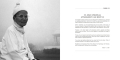
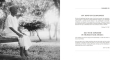
Chand: Khun Yai’s first name; a Thai word which means “the moon”.
Dhammakaya: Body of Enlightenment; Body of Truth. Dhammakaya meditation is a profound meditation technique taught by Luang Por Wat Pakarn. Khun Yai carried on the Dhammakaya meditation tradition and passed it on to her student, Luang Por Dhammayao, current Abbot of the Dhammakaya Temple.
Dhamma (Skt., Dhamma): the truth; the natural condition of things or beings; the law of their existence; the ethical code of righteousness; the whole body of religious doctrines as a system; the Teachings of Buddha; the eternal truth that Buddha realized, his verbal expression of that truth, and the phenomena or concepts that compose reality. Noy: ‘Khun’ Yai frequently used the term “Dhamma” to refer to the practice of meditation.
Field of merit: recipient of alms; a virtuous recipient is compared to a fertile field which yields abundant production; monks and virtuous people are examples of good fields of merit.
หน้าหนังสือทั้งหมด



















































หนังสือที่เกี่ยวข้อง
Load More