

Meditation: The Half-Lotus Posture Guide : หน้า 120/135
Khun Yai’s Teachings : หน้า 120/135 Learn step-by-step instructions for achieving the half-lotus posture in meditation to enhance your practice and relaxation.
12 ครั้ง
สรุปเนื้อหา
This guide provides step-by-step instructions on adopting the half-lotus position for meditation. Start by sitting upright with a comfortable cushion and cross-legged stance, ensuring proper breathing and circulation. Relax your body progressively from facial muscles to legs, maintaining a gentle eye closure and focusing on inner peace. Eliminate worldly distractions and cultivate happiness and spaciousness in your mind during practice for optimal meditation experience.
หัวข้อประเด็น
-half-lotus position
-relaxation techniques
-meditation practice
-mindfulness
-breathing awareness
ข้อความต้นฉบับในหน้า
Step-by-step instructions
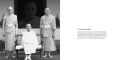
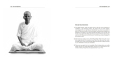
1. The sitting posture, which has been found to be the most conducive for meditation, is the half-lotus position. Sit upright with your back straight, cross-legged with your right leg over the left one. You can sit on a cushion or pillow to make your position more comfortable. Nothing should impede your breathing or circulation. Your hands should rest palms-up on your lap, and the tip of your right index finger should touch your left thumb. Feel as if you were one with the ground on which you sit. Feel that you could sit happily for as long as you like.
2. Softly close your eyes as if you were falling asleep. Relax every part of your body, beginning with the muscles in your face, then relax your face, neck, shoulders, arms, chest, trunk, and legs. Make sure there are no signs of tension on your forehead or across your shoulders.
3. Close your eyes gently but not completely. Stop thinking about any worldly things. Feel as if you were sitting alone; around you is nothing and no one. Create a feeling of happiness and spaciousness in your mind.
หน้าหนังสือทั้งหมด




























หนังสือที่เกี่ยวข้อง
Load More