

B : ค้นหาหนังสือธรรมะ หน้า 392 / 424
หน้าหนังสือทั้งหมด
132
The Four Absorptions in Meditation
guish them as follows:
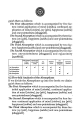
The First Absorption which is accompanied by five factors: initial application of mind [vitakka], continued appl…
This text outlines the four absorptions in meditation, detailing the factors involved in each state. The First Absorption is chara…
134
The Importance of Meditation in Buddhism
Meditation is the focussing of the mind on a single object and abiding in a single mood without distraction or restlessness, or being caught up in externa…
Meditation is central to Buddhist practice, allowing individuals to focus the mind on a single object, leading to the cultivat…
136
Understanding the Inner Bodies on the Path to Enlightenment
them and go further through the centre until attaining the Body of Enlightenment — the most subtle of the inner bodies.
The inner bodies between the Paṭhama Mag…
This text delves into the various inner bodies that exist between the Paṭhama Magga Sphere and the Body of Enlightenment. These include the S…
137
Understanding the Bodies of Enlightenment
ment, the Arahatta Body of Enlightenment [Dhammakāya Arahat] and the Subtle Arahatta Body of Enlightenment.
Thus there a…
This content discusses the ten types of Bodies of Enlightenment, including the Arahatta Body and Subtle Arahatta Body, emphasizing the benefi…
140
Understanding the Dhammakāya and Its Mind
reaching the Dhammakāya and becoming one and the same as the Dhammakāya. The body of the Dhammakāya incorporates layers of percep…
The Dhammakāya embodies a body that resembles human perception while its mind can expand significantly, allowing the m…
143
Understanding the Dhamma Body and the Noble Path
Dhamma Body — not with the human eye or the naked eye.
All the knowledge that brought him to Buddhahood cam…
The Dhamma Body can only be perceived beyond the human eye, allowing the Buddha to grasp deep truths about exist…
144
The Components of the Eightfold Path
…rer. The wisdom of Right View at the level of
the Stream Enterer allowed Koṇḍañña to see the Four Noble
Truths. He gained insight into clinging to the Five Aggre-
gates [upādānakhandha] as the first No…
…xt discusses the Eightfold Path, emphasizing how all eight components arise together as illustrated by the elder monk Koṇḍañña's attainment of Stream-Entry. It explains the importance of Right View, wh…
145
Understanding the Eightfold Path: Right Mindfulness and Right Concentration
…oing of evils not yet done, maintainance of evils already done, not doing virtues not yet done and abandoning virtues already mastered.
As for Right Mindfulness, he would immediately and definitively b…
…tence. This interconnectedness leads to a profound understanding of Nirvana through focused mental absorption. Visit dmc.tv for more insights.
146
Understanding the Eightfold Path
…ds and situations for its approval.
Right Speech and Right Action are the tools of Right Livelihood because whenever our actions and speech are faultless, our means of livelihood will become faultless …
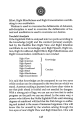
…rating how Right Effort, Mindfulness, and Concentration work together to attain goals. The path can be analyzed into three parts: wisdom, self-discipline, and ethical conduct, emphasizing the interplay…
147
The Eightfold Path: Knowledge and Conduct in Meditation
Effort, Right Mindfulness and Right Concentration contributing to our meditation.
Wisdom is used to overcome the defilements of delusion, self-discipline is …
…s the importance of Right Mindfulness and Right Concentration in meditation, as components of the Noble Eightfold Path. The Eightfold Path is divided into two areas: knowledge (Right View and Right Int…

148
see that the six components of conduct are a path ahead which are free of all dangers bringing one surely to one's destination.
149
The Noble Eightfold Path on the Mundane Level
8
The Noble Eightfold Path
on the Mundane Level
Practising the Noble Eightfold Path is not just the duty of …
Practicing the Noble Eightfold Path is essential for both monks and laypeople. It provides a framework for achieving h…
151
The Tale of the Ogres and the Boy
ogre said to the other that they ought to eat the boy up,
but the other ogre forbade him. The False View ogre ig-
nored the warning and grabbed the boy…
In this tale, two ogres discuss eating a boy but are interrupted when the boy wakes. The True View ogre insists they help him instead. They tr…
152
The Significance of the Triple Gem and Six Recollections
1. Recollection of the virtues of the Buddha with the words "Itipi so bhagavā arahant sammāsambuddho..."
2. Recollection of the virtues of…
This text emphasizes the importance of recollecting the virtues of the Buddha, Dhamma, and Sangha, along with mindfulness of the body and the cultivation of compassion and …
153
Understanding Right View and Right Intention in Buddhism
[Image contains text and a circular symbol at the top]
4. The view that this world lacks reality or doesn’t exist;
5. The view that the a…
This text examines the principles of Right View and Right Intention in Buddhism. It highlights the dangers of False Views, such as denying the reality of this world or the …
154
The Renunciation of the Bodhisatva
"Oh! When will I be able to leave this prosperous Mithila with its castles and towers, abundance of the four requisite…
In his quest for enlightenment, the bodhisatva grapples with renouncing the comforts of Mithila, contemplating his intentions for four mo…
155
King Asoka: Patron of Buddhism
by inviting 60,000 monks for alms in the palace daily. The king wanted to have the chance to pay resp…
King Asoka was a pivotal figure in Buddhism, inviting 60,000 monks for daily alms and yearning to pay respect to a fully-enlightened Bud…
156
The Tale of Sujāta and the Seven Types of Wives
by the tale of Sujāta, the younger sister of Viṣākha. This lady was the sister in law of Aṇṭhapiṇḍika…
… Sujāta, who, despite her wealth, was arrogant and disrespectful in her relationships. When invited by Aṇṭhapiṇḍika, the Buddha hears of her conflicts and uses the opportunity to teach her about the di…
157
Types of Wives: Characteristics and Comparisons
in other men, looking down on her husband — even when her husband is the one to pay her dowry in the first place — having no gratitude to …
…pes of wives and their characteristics, highlighting the negative traits of a wife like an enemy, robber, and boss, and contrasting them with the positive traits of a wife like a mother, little sister,…
158
The Nature of Wives in Buddhist Teachings
7. A wife like an slave: A wife who allows herself to be abused, slapped or beaten by her husband without becoming angry or vengeful and without blaming he…
This text discusses different types of wives in Buddhist teachings, illustrating how their characteristics influence their karmic outcomes. It differ…