

Understanding Right View and Right Intention in Buddhism : หน้า 153/263
The Buddha’s First Teaching : หน้า 153/263 Explore the concepts of Right View and Right Intention, emphasizing their significance in Buddhist teachings and practice.
0 ครั้ง
สรุปเนื้อหา
This text examines the principles of Right View and Right Intention in Buddhism. It highlights the dangers of False Views, such as denying the reality of this world or the afterlife, and emphasizes the value of practices like generosity and respect towards parents. Moreover, it delves into the three types of Right Intention: the intention to overcome sensual desire, vengefulness, and aggression. The narrative of King Mahā Janaka illustrates the journey toward spiritual perfection, showcasing the balance between worldly responsibilities and the pursuit of renunciation. For further insights, visit dmc.tv.
หัวข้อประเด็น
-False Views
-Right View
-Right Intention
-Suttas
-Monastic Practice
-Generosity
-Filial Piety
-Spiritual Journey
ข้อความต้นฉบับในหน้า
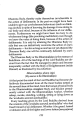
[Image contains text and a circular symbol at the top]
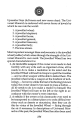
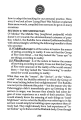
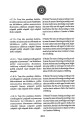
4. The view that this world lacks reality or doesn’t exist;
5. The view that the afterworld lacks reality or doesn’t exist;
6. The view that serving one’s mother is fruitless;
7. The view that serving one’s father is fruitless;
8. The view that monastics, even those who practise properly, are still unable to attain by their wisdom, in this world or the next, any fruit from their practice or to teach anyone else to do the same.
Furthermore, anyone who believes that death is the end of the story (that there is no life after death) or that there is no afterlife is also someone of False View. As for those who know the fruits of generosity, respect, filial piety and monastic practice is a person of Right View.
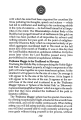
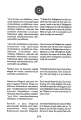
2. Right Intention
When Right Intention is described in the Suttas, it is analysed into three types:
1. The Intention to remove oneself from sensual desire [nekkhamma saṅkappa]
2. The Intention to remove oneself from vengefulness [abyāpāda saṅkappa]
3. The Intention to remove oneself from aggression [avihaṁsā saṅkappa]
In the Maha Janaka Jātaka (J.539), when the Buddha was still pursuing Perfections as the bodhisatva, taking rebirth as King Mahā Janaka in the city of Mithila, with a lifespan of 10,000 years. He cultivated the Perfection of generosity and self-discipline for around 1,000 years while still on the throne, until he decided to renounce the throne and become a monk, for the benefit of pursuing the Perfection of renunciation. However, the bodhisatva still had his concerns about the royal wealth of Mithila. He thought to himself:
151
หน้าหนังสือทั้งหมด
1
2
3
4
5
6
7
8
9
10
11
12
13
14
15
16
17
18
19
20
21
22
23
24
25
26
27
28
29

30
31
32
33
34
35
36
37
38
39
40
41
42
43
44
45
46
47
48
49
50
51
52
53
54
55
56
57
58
59
60
61
62
63
64
65
66
67
68
69
70
71
72
73
74
75
76
77
78
79
80
81
82
83
84
85
86
87
88
89
90
91
92
93
94
95
96
97
98
99
100
101
102
103
104
105
106
107
108
109
110
111
112
113
114
115
116
117
118
119
120
121
122
123
124
125
126
127
128
129
130
131
132
133
134
135
136
137
138
139
140
141
142
143
144
145
146
147

148
149
150
151
152
153
154
155
156
157
158
159
160
161
162
163
164
165
166
167
168
169
170
171
172
173
174
175
176
177
178
179
180
181
182
183
184
185
186
187
188
189
190
191
192
193
194
195
196
197
198
199
200
201
202
203
204
205
206
207
208
209
210
211
212
213
214
215
216
217
218
219
220
221
222
223
224
225
226
227
228
229
230
231
232
233
234
235
236
237
238
239
240
241
242
243
244
245
246
247
248
249
250
251
252
253
254
255
256
257
258
259
260
261
262
263
หนังสือที่เกี่ยวข้อง
Load More