

The Nature of Wives in Buddhist Teachings : หน้า 158/263
The Buddha’s First Teaching : หน้า 158/263 Explores the types of wives in Buddhism, focusing on their karmic outcomes and teachings on Right Speech through the story of Sujāta and the Buddha.
0 ครั้ง
สรุปเนื้อหา
This text discusses different types of wives in Buddhist teachings, illustrating how their characteristics influence their karmic outcomes. It differentiates between negative types, like a wife who is treated as an enemy or a robber, and positive types, such as a loving mother or friend. The text highlights Sujāta's conversion to Buddhism after she sought refuge in the Triple Gem, marking her journey towards Right Speech and righteousness. By overcoming False Speech, individuals can reach higher spiritual stages, with examples of disciples who achieved this in Sāvathī. The teachings emphasize the importance of right conduct and its consequences in this life and beyond, with the ultimate goal of transcending negative karmic cycles and attaining liberation.
หัวข้อประเด็น
-Types of Wives in Buddhism
-Impact of Karma on Wives
-Buddhist Teachings on Right Speech
-Sujāta's Transformation
-Overcoming False Speech
-Path to Buddhist Sainthood
ข้อความต้นฉบับในหน้า
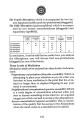
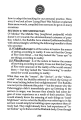
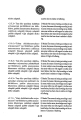
7. A wife like an slave: A wife who allows herself to be abused, slapped or beaten by her husband without becoming angry or vengeful and without blaming her husband, who is contented to be completely dominated by her husband — a wife with such characteristics is a wife like a slave.
The first three categories of wife, a wife like an enemy, a wife like a robber and a wife like a boss will pass away into hell at the end of their lives as a result of the bad karma they have accumulated for themselves.
The remaining four types of wife, i.e. a wife like a mother, a wife like a little sister, a wife like a friend and a wife like a slave will pass away into heaven at the end of their lives as a result of the good karma they have accumulated for themselves.
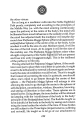
Having heard the teaching of the Buddha, Sujāta bowed at the feet of the Buddha and asked to take refuge in the Triple Gem for the rest of her life. From that time onwards, having become a Buddhist laywoman, she gave up all her False Speech and established herself in Right Speech at the mundane level.
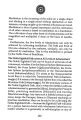
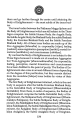
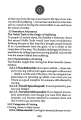
Those who have reached the stages of Buddhist sainthood such as that of the ‘stream-entwiner’ have transcended the mental formations that produce False Speech. Overcoming False Speech in this way is called Transcendental Right Speech [lokuttarasammāvacā] by Transcendental Abstinence [samuccheda-virati]. They have absolutely uprooted False Speech from the mind, never to let it return, in a way illustrated by some disciples of the Lord Buddha who lived in Sāvathī¹.
1. DhA. Appamādavagga, 4
หน้าหนังสือทั้งหมด
1
2
3
4
5
6
7
8
9
10
11
12
13
14
15
16
17
18
19
20
21
22
23
24
25
26
27
28
29

30
31
32
33
34
35
36
37
38
39
40
41
42
43
44
45
46
47
48
49
50
51
52
53
54
55
56
57
58
59
60
61
62
63
64
65
66
67
68
69
70
71
72
73
74
75
76
77
78
79
80
81
82
83
84
85
86
87
88
89
90
91
92
93
94
95
96
97
98
99
100
101
102
103
104
105
106
107
108
109
110
111
112
113
114
115
116
117
118
119
120
121
122
123
124
125
126
127
128
129
130
131
132
133
134
135
136
137
138
139
140
141
142
143
144
145
146
147

148
149
150
151
152
153
154
155
156
157
158
159
160
161
162
163
164
165
166
167
168
169
170
171
172
173
174
175
176
177
178
179
180
181
182
183
184
185
186
187
188
189
190
191
192
193
194
195
196
197
198
199
200
201
202
203
204
205
206
207
208
209
210
211
212
213
214
215
216
217
218
219
220
221
222
223
224
225
226
227
228
229
230
231
232
233
234
235
236
237
238
239
240
241
242
243
244
245
246
247
248
249
250
251
252
253
254
255
256
257
258
259
260
261
262
263
หนังสือที่เกี่ยวข้อง
Load More