

Nature : ค้นหาหนังสือธรรมะ หน้า 20 / 25
หน้าหนังสือทั้งหมด
60
The Noble Truth of Suffering
…ble Truth of Suffering**
Every living being is a victim of suffering
The Lord Buddha explained the nature of suffering in detail. The Pali word for 'suffering' is *dukkha*. A definition of suffering separa…
The text delves into the concept of suffering, known as *dukkha*, as articulated by the Lord Buddha. It defines *dukkha* by its roots, explaining the inherent negativity of existence. Without sufferin
69
Understanding Suffering and Aging
bear.
When the sun shines in the morning, all the different flowers of the meadow and the water, open up their petals to welcome its rays. However, when the rays of the sun become hotter, the same flo
…t drains life from its host. These insights aim to deepen understanding of dukkha and the transient nature of life. For more, visit dmc.tv.
71
The Suffering of Death
them terrible fear of hell at the end of their life. This is another aspect of the suffering of death.
As for the wealthy who have so many possessions, or those with lots of relatives, there is a tend
…he Buddha. The comparison of death to falling mountains emphasizes its overwhelming and unrelenting nature. The wise of ancient times viewed the suffering from birth, aging, illness, and death as a collecti…
72
The Four Enemies: Understanding Suffering
with cool shade and sparkling waterfalls. The first enemy
offers to take the guard to show him the other forest. Unwit-
tingly mistaking the enemy for a friend, he goes with him.
Eventually reaching t
…eriences leave us distressed and longing, ultimately shaping our understanding of life's transitory nature. For more insights, visit dmc.tv.
83
Understanding Attachment: Lessons from the Lord Buddha
characterized by the Lord Buddha as being attached to the things we like. It is like a monkey trapped by glue in a monkey trap. Normally it sticks to the trap when it sits down, and trying to prise it
…ferent to the suffering of others. The text warns that excessive desire can alter one’s fundamental nature and hinder charitable actions. Like dye on a cloth, desire permanently stains the mind, indicating …
88
The Perils of Craving in Buddhist Teachings
…the Lord Buddha preached on the peril of Craving for the Brahmā-world. He taught:
Craving is of the nature to cause suffering. If all of you wish to extinguish suffering, then all of you should practice for…
In this teaching, the Buddha emphasized that craving is the root cause of suffering. He illustrated that just as a tree will regrow from its stump if not completely uprooted, suffering will persist if
90
Understanding the Pursuit of Happiness and the Cycle of Existence
Those who search for happiness via sense pleasure only
experience happiness at the moment before suffering mani-
fest itself. As soon as suffering becomes manifest, such peo-
ple are often so shocked
This text discusses the fleeting nature of happiness derived from sense pleasures and the inevitable suffering that follows. It compares in…
94
The Nature of Suffering and the Pursuit of Happiness
which they try to derive happiness are themselves of the
nature of suffering. The suffering of such people, at root
comes from their search for sense-pleasure and …
This text discusses how the pursuit of happiness through sense-pleasures results in suffering. It emphasizes that those who do not derive happiness from sense-objects remain unaffected by external mis
96
Understanding the Root of Suffering
…s like lions, other persuasions of ascetics are said to conduct themselves no better than dogs. The nature of dogs is to scavenge and to seize anything they find without any consideration for what the owner…
The text discusses how to effectively eliminate suffering by addressing its root cause: craving. It likens the relationship of craving to suffering to a lion hunted by a hunter, emphasizing that unles
117
The Noble Truth of the Cessation of Suffering
…essation of Suffering is sometimes
known by the epithet ‘the extinguishing of suffering’. It is
our nature for the mind to be the prime mover in all things
in keeping with the Buddhist proverb:
Manopubbanga…
The conclusion on the cessation of suffering according to the Buddha highlights the need to extinguish craving through the Noble Eightfold Path. Once craving is eliminated, suffering cannot return. Ou
128
The Relationship Between Processing, Cognition, and Mindfulness
…ent and Subtle Body of Enlightenment, they are eight and nine times wiser respectively.
This is the nature of their successive wisdom — you should familiarize yourself with their relative wisdoms."
When the…
Processing and cognition are intimately linked, forming the subtle physical body. If four faculties are disconnected, the subtle body ceases to exist, impacting physical survival. Mindfulness includes
136
Understanding the Inner Bodies on the Path to Enlightenment
them and go further through the centre until attaining the Body of Enlightenment — the most subtle of the inner bodies.
The inner bodies between the Paṭhama Magga Sphere and the Body of Enlightenment
…htenment vary based on degrees of purification and remain distinct from mundane bodies due to their nature. For more insights, visit dmc.tv.
193
The Subtlety of Dhamma and the Buddha's Vocation
Dhamma in even greater subtlety. The Buddha was later to preach in the Simsapa forest that there were more leaves in the forest than he held in the palm of his hand. The 84,000 units of Dhamma which
…g, began long before his enlightenment and has been his purpose for countless lifetimes. The subtle nature of this Dhamma makes it challenging for many to comprehend, highlighting the rarity of those ready …
200
The Middle Way and the Four Noble Truths
…the brink of death with an illness they don’t even notice, don’t even realize that suffering is the nature of life, for everybody in the world;
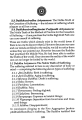
3.2 Samudaya Aryasacca: The Noble Truth of the Origin of Suffe…
This text discusses the Middle Way as taught by the Tathāgata, emphasizing the importance of Right Speech, Action, Livelihood, Effort, Mindfulness, and Concentration as a means to attain insight and e
201
The Noble Truths of Suffering and Cessation
3.3 Dukkhanirodha Aryasacca: The Noble Truth of the Cessation of Suffering—the sickness of suffering which plagues us all has a cure;
3.4 Dukkanirodhagāminī Paṭipadā Aryasacca: The Noble Truth of the
The Noble Truths articulate the nature of suffering and its cessation. Dukkha encompasses various types of suffering including birth, agin…
202
The Noble Truth of the Origin of Suffering
… — he had seen and known it for him-
self as a result of having the wherewithal to see and know
the nature of reality.
3.2 Samudaya Ariyasacca:
The Noble Truth of the Origin of Suffering
To people of ancien…
The text delves into the Buddha's teachings on suffering, challenging ancient beliefs that linked suffering to divine punishment or fate. Instead, he identifies craving as the root cause of suffering,
204
The Noble Eightfold Path and Its Fruits
earlier:
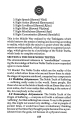
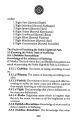
1. Right View [Sammā Ditthi]
2. Right Intention [Sammā Saṅkappa]
3. Right Speech [Sammā Vāca]
4. Right Action [Sammā Kammanta]
5. Right Livelihood [Sammā Ājīva]
6. Right Effort [Sammā Vāyāma]
…ness, and Concentration. Practicing this path leads to profound insights and the realization of the nature of suffering (Dukkha). The knowledge gained includes understanding the reality of suffering, the wi…
215
The Tathāgata and the Cycle of Enlightenment
Yāva kivāñca me bhikkhave, imesu "O! Monks! If the Tathāgata had not fully com-
catusu ariyassaccevaṁ tiparivattaṁ completed these three cycles with their twelve com-
dvaḍasākāraṁ yathābhuṭṭaṁ nān
…beration and understanding of existence. It underscores the themes of liberation, understanding the nature of existence, and the role of the Buddha in guiding others towards enlightenment. The interactions …
220
Exploring the Path to Enlightenment in Buddhism
101; enlightenment mechanism, chanting, Dhammacakkapavattana explained by Dhammakaya 111; Sutta 10-11, 209-16 knowledge arising to reach enlightenment 140-1; practice 94, metaphors: dog and lion 94; g
…ving enlightenment. The text emphasizes the importance of understanding suffering, craving, and the nature of existence as articulated in Buddhist philosophy. The metaphors used, such as the cemetery of rot…
221
Understanding Suffering and the Cycle of Existence
conditioning, stopping, Cessation of suffering 93-4 {metaphor, lion and
Suffering as 51-2; suffering as 47 hunter 94); responsible for keeping
conduct 145-6 being in cycle of rebirth 80; retin-
confu
This text delves into the nature of suffering, including its definitions and categorizations. It discusses the Cycle of Existence an…