

R&D : ค้นหาหนังสือธรรมะ หน้า 177 / 298
หน้าหนังสือทั้งหมด
107
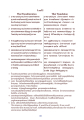
The Importance of Dhammakāya Stanza
Aṣayānusayamūlā pavaradanāyuggalaṁ; Dassaphalāḷāṅgā pavaramajcimmaggaṁ; Paṭiccasamupāda pavaraniñhi; Indriyayapāñābalaṁ pavarajāṅghaṇā; Dassakussalakkammaṭaṅga pavauruthav
yam; Dassaphalakkhaṅāñāṁ pā
เนื้อหานี้พูดถึงความสำคัญของสัทธรรมคายา โดยมีการอภิปรายเกี่ยวกับการจำบทสวดนี้ได้ด้วยใจและการมีปรีชา ซึ่งเป็นหลักสำคัญของการศึกษาพุทธศาสนา ข้อความนี้กล่าวถึงการชี้ให้เห็นถึงภูมิปัญญาที่ไม่รู้จบ (sabbañ
108
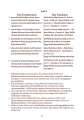
The Sublime Attributes of the Lord
Sabbāñutāläñā pävarasiãm] is the sublime head of the Lord.
Nibbānarammaña pavarasitakesaṃ: the wisdom that recognizes Nibbāna as the object of consciousness is the sublime hair of the Lord. Catuttajj
This text discusses the sublime qualities of the Lord, emphasizing various forms of wisdom, such as the recognition of Nibbāna as the object of consciousness and the wisdom that leads to divine hearin
109
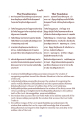
ความฉลาดในการรู้จักประโยชน์อย่างมีเหตุผลสู่การหลุดพ้นสูงสุด
พรเจ้าอุตตตริวิมาขัจิรมาณำณำพาวารกนา ดวยน: the wisdom of recognizing expedient toward the ultimate liberation is the two sublime ears of the Lord.
โลภิคยาลุกฺตรํณํImagine the figure of recognition the
บทความนี้พูดถึงความฉลาดในการรู้จักประโยชน์ไปสู่การหลุดพ้นสูงสุด โดยเปรียบเทียบองค์ประกอบต่างๆ ของความฉลาดในพระพุทธศาสนากับคุณลักษณะของพระเจ้าที่มีการเปรียบเทียบกับริมฝีปาก ดั้งฟัน และลิ้น ซึ่งแสดงถึงค
114
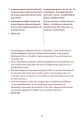
การบรรลุของพระพุทธเจ้าและอรรถธรรม
ญ๊ษัททําสําทัดะสา adigatạ: that the Lord attained. Imam dhammakāyăm buddharakkhaṇam: the body of Dhamma (dhammakāya) is the property (lakhana) of the Lord Buddha. Yogāvacarapputanna: the practitioners
ในเนื้อหานี้กล่าวถึงการบรรลุของพระเจ้าพุทธเจ้าและการปฏิบัติธรรมอย่างจริงจังเพื่อนำไปสู่การเข้าถึงนิพพาน โดยมีการเน้นถึงความสำคัญของการทบทวนและสวดบทสวดเพื่อกราบไหว้พระ. พุทธศาสนิกชนถูกกระตุ้นให้ถือปฏิบ
115
สุขภิถิจิตปาโถ
สุขภิถิจิตปาโถ เหติฑําศตาลเส คัคคีน จีตํานี sahassani sanemitta sabbakāra pariparāni ayatapanhi dighaguli mudutalunahatṭāpo jālahtṭāpo
1. unhisānkhaṗādo ehjijāṅgāṭṭhitkova anonamante ukbhoi pañitehi j
บทความนี้สำรวจเรื่องสุขภิถิจิตและการสร้างสุขด้วยการปฏิบัติธรรมในลักษณะต่างๆ การดูแลจิตใจด้วยปฏิจจสมุปบาทและการฝึกสติ ทำให้สามารถมีสุขภาพจิตที่ดี สามารถเชื่อมโยงกับความสุขในชีวิตประจำวันได้อย่างมีประสิ
120
An Shigao and Early Chinese Meditation Techniques
An Shigao and Early Chinese Meditation Techniques¹
Phra Kiattisak Kittipanyo² (University of Otago)
An Shigao安世高 (147~168 CE) played an important role in the early transmission of Buddhism into China
An Shigao (147-168 CE) significantly influenced the early transmission of Buddhism in China. Despite a focus on his ethnicity and translation style, he is recognized as a respected meditation master.
121
The Influence of An Shigao on Mindfulness Breathing Meditation in Eastern Han China
In this paper I explore the connections between An Shigao and the introduction of the Indian Buddhist meditation technique of mindfulness breathing meditation, or ānāpānasmṛti, into Eastern Han China.
This paper examines An Shigao's role in introducing the Indian mindfulness breathing meditation technique, ānāpānasmṛti, into Eastern Han China. The phrase「息中具有四大。 而心在中」suggests that the mind should f
123
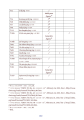
Buddhist Sutras Compilation
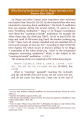
T32 Si di jing 四譯經 Madhyama Āgama19
T36 Benxiong yizhi jing 本相獻曆經 /20
T48 Shifa fejiajing 是法非法經 /21
T57 Lou fenbu jing 漏分布經 /20
T98 Pufa yi jing 普法義經 /22
T112 Ba zhendaojing 八正道經 /23
T150a
This compilation includes key Buddhist texts such as the Madhyama Āgama, the Eightfold Path Sutra, and various other sutras that explore core principles of Buddhism. These scriptures serve as guidepos
124
Meditation Practices Introduced by An Shigao in Eastern Han China
What kind of meditation did An Shigao introduce into Eastern Han China?
An Shigao and other Central Asian translators were welcomed into Eastern Han China (25-220 CE), by the cultured elites who were
An Shigao, notable for his translations, played a key role in introducing meditation practices to Eastern Han China (25-220 CE). The prevalent form during this period was breathing meditation, particu
127
The Practice of Ānāpānasmṛti: Breath Meditation in Early Buddhism
describing the practice of the four smrtyṣhānas associated with the breath (ānāpānasmṛti), and resulting the attainment of the three vimoksamukhās.42
An Shigao’s translation of the Ānāpānasmṛti Sūtra
This text delves into the practice of Ānāpānasmṛti, a significant Buddhist meditation focused on breath. It highlights An Shigao’s translation of the Ānāpānasmṛti Sūtra and its influence on later monk
128
Understanding the Four Mahā-Bhūta in Buddhism
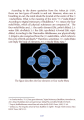
According to the above quotation from the Anban jie 安殘解, there are two types of breath: in and out. However, when one is breathing in-out, the mind should be located at the centre of the mahā-bhūta. W
根据安殘解的引用,有两种呼吸方式:吸气和呼气。然而,当进行呼吸时,心智应位于四大之中。四大是所有物质的组成部分,包括:土、 水、 火和风。根据上座部阿毗达摩,人的身体是由四大组成的,涉及生死循环,有时四大也代表元素的身体。有关四大元素的更深入的信息,请访问dmc.tv。
129
Exploring the Center of the Body in Meditation
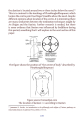
Thus, the phrase 『息中具有四大。心在中』 can be interpreted as: "the mind should be located at the centre of the body while breathing (in and out)." The precise position of the centre of the body where the mind
This text examines the phrase 'the mind should be located at the center of the body while breathing in and out.' It references the teachings of PhraMongkolthepmuni regarding the center's location abov
130
Understanding the Dantian and Its Location
the dantian is located around two or three inches below the navel. 53
This is in contrast to the teachings of PhraMongkolthepmuni, which
locates the centre point two finger breadths above the navel. D
The dantian is primarily recognized as located about two to three inches below the navel, differing from PhraMongkolthepmuni's teachings which suggest it lies two finger breadths above. While the loca
131
Eastern Han Buddhist Meditation and Daoism
Eastern Han Buddhist meditation and Daoism
By the middle of the first century CE, a Buddhist community was already in existence in China, and growing. The arrival of translators from Central Asia and
By the first century CE, Buddhism had begun to take root in China, with translators arriving from Central Asia and India to convert texts into Chinese. They initially faced challenges in accurately co
132
Daoist Meditation in the Eastern Han Period
Daoist meditation in the Eastern Han period
When An Shigao arrived in China around 148 CE, very few if any Buddhist meditation texts had been translated into Chinese.60 However the Chinese people were
In the Eastern Han period around 148 CE, Daoist meditation practices already existed, with references found in ancient texts like the Tao Te Ching. Practitioners sought immortality through various tec
133
The Practice of Neidan: Achieving Longevity and Immortality
finding is a method of finding illumination by returning to the fundamental order of the cosmos65. This involves fully emptying out the contents of consciousness until a condition of union with the wa
The text discusses Neidan, a method for achieving union with the cosmos through deep meditation and consciousness emptying. It examines key concepts such as attaining the One, the empty Way, and the P
134
Exploring Daoist and Buddhist Visualization Techniques
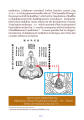
The second one is the "Golden Palace" which is located below the heart and spleen, and the last field is the "Mud Pill Court" or the Palace of Ni-wan which is located about three inches within the hea
The text discusses the Golden Palace and the Mud Pill Court in relation to Daoist meditation. It highlights the visualization techniques associated with the cinnabar field, emphasizing its significanc
135
Buddhist Influence on Daoist Visualization Techniques
meditation. Lokakṣema translated Foshou banzhou sanmei jing 佛說般若三昧經 Pratyutpanna Samadhi-sūtra or “The Samadhi of Being in the presence of all the Buddhas”, which is the Visualization of Buddha or Bud
This text discusses the translation of Buddhist sutras like the Pratyutpanna Samadhi-sūtra and their influence on Daoist visualization techniques. It highlights how practices such as Buddhānusmṛti and
137
พระมงคลเทพมุนีและการศึกษาพระธรรมในเอเชียตะวันออก
陳慧:“除持入經註(No. 1694 陳慧攷)in Vol. 33。” Taishō Shinshū Daizōkyō
(大正新修大藏經), November 28, 2011. http://21dzk.lu-tokyo.ac.jp/SAT/ddb-sat2.php?mode=detail&useid=1694_33,0011b1 8&key=%E6%81%AF%E4%B8%AD%E5%85
บทความนี้สำรวจการศึกษาพระธรรมที่เกี่ยวข้องกับพระมงคลเทพมุนีและรวมถึงแหล่งอ้างอิงจากผลงานที่มีความสำคัญในพุทธศาสตร์เอเชียตะวันออก ทั้งนี้การให้ข้อมูลดังกล่าวมีเพื่อส่งเสริมความเข้าใจในหลักธรรมและประวัต
138
Exploring Chinese Philosophical Texts and Their Influence
Kohn, Livia, and Yoshinobu Sakade. Taoist Meditation and Longevity Techniques. Center for Chinese Studies, University of Michigan, 1989.
Mair, Victor H. “What Is Geyi, After All?” In Philosophy and Re
This collection examines various texts that shed light on the development of Chinese philosophical thought and literary traditions. Works range from Livia Kohn's exploration of Taoist meditation pract