

UN : ค้นหาหนังสือธรรมะ หน้า 83 / 162
หน้าหนังสือทั้งหมด
188
The Sacred Formula for Success in Meditation
minds only when they practice meditation until their minds reach a profound level of peacefulness and becomes so bright that they are able to s…
…of temples, encouraging more people to engage in merit-making and Dhamma study. The warmth of a community that practices these principles leads to stronger, more resilient temples that thrive despite ch…
191
Understanding the Role of Monks and Media Representation
they should keep in mind that the Sangha Council has jurisdiction over a monk’s case. When a final judgment is made, people should not criticize …
… of differentiating between individual misconduct and the overall contributions of the monastic community. Senior monks express concerns about being criticized regardless of their actions, whether they …
192
The Importance of Supporting the Sangha
…proverb: One rotten apple spoils
the whole barrel. If people think this way, they can harm
Buddhism unknowingly. This is certainly not the nature of a
Buddhist. Buddhists must consider all aspects, just…
The text emphasizes the importance of supporting the Sangha community and not generalizing negative perceptions from a few individuals. It highlights a situation wher…
193
Understanding the Roles of Students and Teachers in Monastic Life
…rdained two days ago; some have ordained for two months while others have been monks for two years. Undoubtedly, they are still learning and are new to the monastic discipline. As a result, they sometim…
…udents and teacher monks share the journey of learning and self-improvement within the monastic community. Just as students in secular schools may err in their behavior, student monks, regardless of the…
195
Understanding the Three Characteristics and the Law of Kamma
…ma and the Three Characteristics were discovered by the Lord Buddha. Moreover, He discovered how an understanding of these Laws shows the way to achieve the release from suffering.
When children consu…
เนื้อหานี้ให้ความรู้เกี่ยวกับลักษณะสามประการในพุทธศาสนา ได้แก่ อนิจจัง ทุกขัง อนัตตา ซึ่งเป็นความจริงพื้นฐานเกี่ยวกับการดำรงอยู่ของสิ่งมีชีวิตในโลกนี้ พระพุทธเจ้าทรงค้นพบว่าการเข้าใจในกฎแห่งกรรมและลัก
196
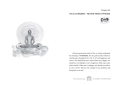
The Lord Buddha - The Role Model of Wisdom
…hapter 44
The Lord Buddha - The Role Model of Wisdom
Having experienced much in life, we clearly understand the meaning of vicissitudes. No one gains merely fortune or misfortunate throughout life; l…
…w. The teachings encourage us to navigate through life with a balanced heart, promoting empathy and understanding within families and communities. For more insights, visit dmc.tv.
197
The Supreme Wisdom of the Lord Buddha
…ause of their own intellect and competence. However, the Lord Buddha discovered the truth about the unavoidable Law of Cause and Effect, which in Buddhism is the Law of Kamma. He taught that **whoever p…
…ness. His wisdom is a noble model for all, relevant to both Buddhists and non-Buddhists alike. This understanding provides solace and direction when faced with life's challenges.
198
Teaching Humility and Modesty Through Meditation
…blem occurs, we must put it to an end. The first step is to still our mind by practicing meditation until the mind is at ease. Meditation can help us to clearly see the problem. If we are not sure how t…
…ights the significance of staying calm and meditative when confronted with problems, allowing us to understand and address the situation with patience. Inspired by Lord Buddha's teachings, the 'Bahuj Ch…
199
Lessons from the Lord Buddha on Conflict Resolution
…ive and are moved by loving kindness, their hearts will expand and they will be able to forgive and understand each other.
4) When the Lord Buddha faced Angulimala, a killer who aimed to destroy Him, H…
This text highlights the Buddha's approach to handling conflict, using love and understanding as tools for resolution. In facing a furious elephant, He spread loving kindness to expa…

200
Wisdom of the Lord Buddha in Facing Challenges
…n. Moggallana used supernatural powers to defeat the stubborn serpent.
8) When the Lord Buddha encountered a being that possessed Wrong View, such as a Brahma, He used a high level of wisdom in Buddhis…
In facing challenges, the Lord Buddha exemplified wisdom, utilizing His understanding to confront experts and overcome obstacles. Ven. Moggallana demonstrated supernatural po…
201
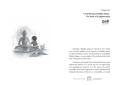
Contributing a Buddha Image - The Body of Enlightenment
…for oneself or one’s family was a favorite tradition of our ancestors. Wealthier people traveled around the country with the purpose of contributing Buddha images to many temples. They understood the fr…
… spiritual merit. It highlights how wealthier individuals traveled to temples to contribute images, understanding the benefits of their actions. However, there is a decline in the appreciation of this t…
202
The Significance of Donating Buddha Images
examine this so that we will not miss the opportunity to do so.
We should clearly understand the importance of contributing
a Buddha image so that we …
…to enlightenment and Nibbana, making those who achieve this during the Buddha's life incredibly fortunate. Visit dmc.tv for more insights.
203
The Merits of Contributing to Buddha Images
…Those who are not born during the life of a Buddha must seek refuge in the Lord Buddha’s teachings, unaware of His appearance.
Our country’s ancestors, who experienced and attained high levels of medit…
…es enlightenment in the final life. The benefits encourage practice and meditation, leading to profound spiritual growth. For more on Buddhism, visit dmc.tv.
204
The Significance of Contributing Buddha Images
benefits in contributing for a Buddha image. We now
understand why our ancestors focused on this moral
contribution.
My own grandmother understood the be…
…ociety. In modern times, many stray from virtuous actions, which can hinder future generations from understanding the value of good deeds. The text encourages others to donate for their own benefit, hig…
207
The Impact of Broken Families on Children
…l. Children turn out this way when they are not properly taught. Some come from good families, but runaway due to conflicts with their siblings. Some even try to steal their sibling’s possessions at the…
…m broken families often exhibit disobedience and negative behaviors, stemming from a lack of family unity. Issues arise when family members have differing schedules, leading to reduced interaction and e…
86
Understanding Life After Death and the Concept of 'The Face'
…elf and the certainty. in the way people with mental diseases with an evil spirit, with no story of unnatural events, because believe that death and health, not stories and curses, do not cause and not …
เนื้อหานี้กล่าวถึงความสำคัญของชีวิตหลังความตายและคำว่า 'หน้า' ที่มีความหมายแตกต่างกัน 2 ประการ คือ 1) ชีวิตหลังความตาย ซึ่งหมายถึงสภาวะที่ร่างกายไม่อยู่ในที่เดิมเมื่อเสียชีวิต แต่ซากศพจะไปอยู่ในที่ใหม
46
การให้ความช่วยเหลือในช่วงเวลาแห่งความยากลำบาก
…นะพื้นฐานของคำนี้ดีๆ ขอโน้ะรับการอาจลุดเป็นจุดแรกที่ฉันมีเมตตา"
(Note: Some parts may be slightly unclear or have transcription errors due to the handwriting style.)
เนื้อหานี้พูดถึงความสำคัญของการให้และการช่วยเหลือในช่วงเวลาที่ยากลำบาก ซึ่งสามารถสร้างความสุขและความเชื่อมโยงระหว่างคนในชุมชน โดยเน้นที่การรักษาใจและการปรับตัวให้เข้ากับสถานการณ์ ผู้เขียนยังกล่าวถึงกา
110
การเติบโตในวัยเด็ก
…้พบสิ่งใหม่และใจในเช้าก่อนบ่ายจึง
อาจรอค่อยไปจาก
(Note: Some parts of the text are incomplete or unclear, especially the second page, which appears to be a poem or reflection.)
ในวันที่ 15 พฤษภาคม 2566 ผู้เขียนได้เล่าถึงประสบการณ์ในวัยเด็กขณะที่อายุ 5 ขวบ โดยไม่ค่อยเข้าใจสิ่งต่างๆ แต่ยังมีความรู้สึกประทับใจในช่วงเวลานั้น รวมถึงการทำตามคำสอนของคุณแม่และจัดการกับความฝันให้มีคว
111
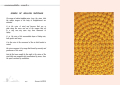
Songs of Million Buddhas
…illion images of the body of Enlightenment are
situated.
It is the voice of wind and breezes that run or
glide along the curve and cut of the images that sit
in a ring row, ring upon ring from basement…
เพลงแห่งล้านพุทธเกิดจากสถานที่ที่มีอิมเมจของร่างกายแห่งการตรัสรู้ที่ตั้งอยู่ เสียงของลมและสายลมที่ไหลไปยังภาพต่างๆ สร้างความสงบและความนุ่มนวล และเสียงของน้ำฝนที่ตกลงมา ทั้งแบบเบาและหนัก เชื่อมต่อกันเป
9
Yuwakalanayamittra Training and Its Impact
… music composing for the 1985 New Year celebration, and exercises on public speaking, advocacy and fundraising for Kathina or robe offerings thus constituted their daily routine. Some of these children,…
… composing and public speaking prepared them for spiritual leadership. By 1995, the program evolved under Phrarajbhavanavisudh with former trainees as instructors. The creation of the Apinya School mark…