

post-death : ค้นหาหนังสือธรรมะ หน้า 20 / 22
หน้าหนังสือทั้งหมด
86
Understanding Craving and Suffering in Buddhism
ing after such wealth, even though it is acquired by honest
means, is still subject to suffering because it contains craving which is the origin of suffering. Even the craving for the
Brahmā-world and
This text delves into the concept of craving in Buddhism, emphasizing that even honest wealth can lead to suffering due to inherent craving. It discusses how aspirations for the Brahmā-world can trap
89
Understanding Craving and its Effects
yingly frequently, until our seeing wrong as right and harmful things as harmless will be our continuous perspective of the world. We lose our interest to train ourselves in meditation and in the abse
The text discusses how craving influences our perceptions and behaviors, comparing it to sticky resin that binds our minds to attachments and sense pleasures. It warns that indulging in cravings leads
93
Understanding the Impermanence of the Body and the Pursuit of Transcendence
wise will use the indications of deterioration in their own body to wake themselves up to the fact that the body can offer the spirit no true refuge.
**The Physical Body is a Storehouse of Unwholesome
The text discusses the physical body as a storehouse for unwholesomeness, suffering, and illnesses due to our desires. It contrasts this with the nine supreme transcendental attainments, which include
104
The Dhammakaya Tradition and Luang Phaw Wat Paknam
practice of the Middle Way until attaining levels of Buddhist
sainthood according to their potential. All the evidence that
is left by some Buddhist saints is their scriptural testimo-
nies, but some
The practice of the Middle Way leads to various levels of Buddhist sainthood according to individual potential. Luang Phaw Wat Paknam, the prominent monk who discovered the Dhammakaya Tradition, is re
106
Understanding the Middle Way in Dhamma Practice
In terms of practice however, Luang Phaw Wat Paknam explained how we can know we are practicing the Middle Way in the sermon he gave on the Dhammacakkapavattana Sutta on 3 January 1955. He explained t
In his sermon on the Dhammacakkapavattana Sutta, Luang Phaw Wat Paknam elucidates the profound significance of the Middle Way, urging practitioners to find stillness at the body’s central point. This
187
Transportation of Communities in Buddhist Scriptures
to transport the community from one continent to another or even one world to another. In the time of the Buddha, the scriptures report that people and the Universal Monarch were transported from anot
This text discusses the transportation of the community during the time of Buddha, where beings from Uttarakururūpa were brought to Jambudīpa via the Jewelled Wheel of the Universal Monarch. After the
189
The Path to Enlightenment: Insights from Bahiya Dārucīriya
people cite examples of enlightenment such as that of Bahiya Dārucīriya who, in his final lifetime didn’t appear to mediate, but could become enlightened just by hearing a few words from the Buddha at
In examining the enlightenment of Bahiya Dārucīriya, it is essential to recognize his previous lifetimes where he dedicated himself to achieving enlightenment through intense meditation. Alongside fel
195
The Buddha's First Sermon: A Journey of Enlightenment
just passed away seven days ago and would now have to spend an exceedingly long lifetime in the formless Brahma-world. He might not even have the chance to hear the teachings of the next Buddha, let a
This excerpt discusses the profound moment in the Buddha's life when he sought to teach meditation after renouncing worldly comforts. He encountered obstacles as potential disciples Udaka Rāmaputta an
200
The Middle Way and the Four Noble Truths
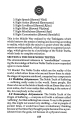
3. Right Speech [Sammā Vācā]
4. Right Action [Sammā Kammanta]
5. Right Livelihood [Sammā Ājīva]
6. Right Effort [Sammā Vāyāma]
7. Right Mindfulness [Sammā Sati]
8. Right Concentration [Sammā Samādhi]
This text discusses the Middle Way as taught by the Tathāgata, emphasizing the importance of Right Speech, Action, Livelihood, Effort, Mindfulness, and Concentration as a means to attain insight and e
202
The Noble Truth of the Origin of Suffering
all that way from the top of our head to the tips of our toes,
we are full of suffering — he had seen and known it for him-
self as a result of having the wherewithal to see and know
the nature of rea
The text delves into the Buddha's teachings on suffering, challenging ancient beliefs that linked suffering to divine punishment or fate. Instead, he identifies craving as the root cause of suffering,
218
General Index of Meditation and Mindfulness Concepts
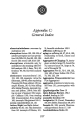
Appendix C:
General Index
absent-mindedness: overcome by meditation 124
absorption: factors 123, 129-132; of neither-perception-nor-non-perception 193; fifth 131; first 85, 123, 129; fourth 129; sec
This general index compiles significant terms and concepts related to meditation and mindfulness practices. It includes terms like absent-mindedness, absorption, and aggregates of clinging, helpful fo
219
Understanding Suffering and Enlightenment in Buddhism
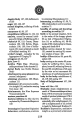
Angelic Body 107, 122; defilements by attaining Dhammakaya 111 of 135
bemoaning, as suffering 47, 58, 71,
anger 135, 136, 137 199; relationship to sorrow and lam-
animal kingdom, suffering of birth en
This text delves into key Buddhist teachings regarding suffering, attachment, and the process of attaining enlightenment. It analyzes various forms of suffering, including the suffering associated wit
223
Exploring Dhammakāya and the Eightfold Path
Dhammakāya, Sotāpana: Effort, Right (see Right Effort)
Coarse, 108, 134; defilements of
Eightfold Path: arises internally as 136-7; Subtle, 108, 134
sphere 105; components 20, 117,
Dhammakāya Traditi
This text delves into the Dhammakāya tradition, highlighting key components of the Eightfold Path and its teachings on defilements, enlightenment, and the nature of suffering. Concepts are illustrated
224
Insights on Suffering and Enlightenment
execution, suffering of at death 68
Existence, Cycle of 9, 16, 37, 178, 185-6
extinction of craving, transcendental 100, 115, 175
Extinction of Suffering, Noble Truth of(see Cessation of Suffering, No
This text delves into pivotal Buddhist doctrines centered around suffering and enlightenment. It discusses the cycle of existence and the importance of overcoming craving. With references to meditativ
229
Exploring Key Buddhist Concepts and Practices
Phramonkothpumuni: emphasises practice 12; explains "dhammikāya" and "āyatannibbāna" 102; founder of Dhammakāya Tradition 102; respected commentarian 102-3; sixteen tasks of 207 physical deeds, wholes
This text delves into various aspects of Buddhist philosophy, focusing on the teachings and practices associated with the Dhammakāya Tradition founded by Phra Mongkothpumuni. It highlights the signifi
231
Exploring Self-Mortification and Sensual Indulgence
self-mortification 19, 27, 35-7, 103, causes lamentation 32; causes one
105, 194-5: dominates contemporainary spiritual thought 194-5; examples of practice 35; fruitless 19; {metaphors, grasshopper le
This text discusses the concepts of self-mortification and sensual indulgence. It elaborates on the causes and consequences of self-mortification, which often leads to lamentation and spiritual harm.
232
Exploration of Metaphors in Buddhist Philosophy
snake, poisonous, mistaken for rope spire, a palace - {metaphor for Mid-
- {metaphor for self-mortification dle Way 38-9} 36}
spouses, categories of 154-6
snake - {metaphor for craving 88}
sprite, ear
This text explores several metaphors used in Buddhist philosophy, including the snake as a metaphor for craving and its relationship to the concept of suffering. It further elaborates on the significa
241
Understanding Sensory Terms in Buddhism
gammo (adj. reason why people icchā (see jealousy)
settle for the household life: see iddhipada (see Four Foundations
harm of sensual-indulgence) of Success)
gandha (scant: see sense-objects) Indra (P
This text delves into various sensory terms found in Buddhist scriptures, particularly focusing on olfactory and gustatory experiences. It covers concepts such as gandha (smell), jihvā (taste), and th
22
No content provided
virtous characteristics. If the success among any of his relatives or companions exceeded his, he would extend heartfelt congratulations to that person and see how he could learn from that person’s su
No summary available.
24
Untitled
2
Ordination
"The majority of human beings have their eyes closed — they are still asleep. If human beings could attain Dhammakāya, they would be awake. But without attaining Dhammakāya and becom
No content available to summarize.