

The Path to Enlightenment: Insights from Bahiya Dārucīriya : หน้า 189/263
The Buddha’s First Teaching : หน้า 189/263 Explore the profound journey of Bahiya Dārucīriya and the significance of meditation in attaining enlightenment, as illustrated by his past experiences.
0 ครั้ง
สรุปเนื้อหา
In examining the enlightenment of Bahiya Dārucīriya, it is essential to recognize his previous lifetimes where he dedicated himself to achieving enlightenment through intense meditation. Alongside fellow monks, he spent days on a mountain plateau, vowing to attain nirvana before leaving. Despite starvation, their determination showcased a commitment to meditation that carried into future lives, allowing Bahiya to grasp enlightenment swiftly upon the Buddha's teachings. The Buddha's brief but impactful sermon emphasized the essence of simply perceiving the world, hinting at the depth of meditative practice beyond mere examples. Therefore, the assumed ease of enlightenment lacks acknowledgment of the cumulative efforts from past lifetimes. For those seeking comfort in the idea that meditation is unnecessary, the story of Bahiya serves as a reminder of the intricate ties between past efforts and present realizations.
หัวข้อประเด็น
-Bahiya Dārucīriya
-the importance of past lifetimes
-the role of meditation in enlightenment
-Buddha's teachings
-examples of arahat attainment
-the concept of impermanence in enlightenment
ข้อความต้นฉบับในหน้า
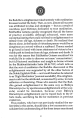
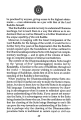
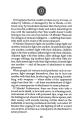
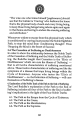
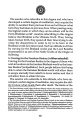
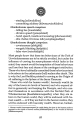
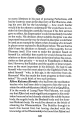
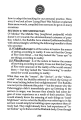
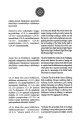
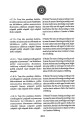
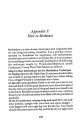
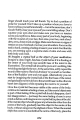
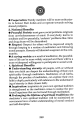
people cite examples of enlightenment such as that of Bahiya Dārucīriya who, in his final lifetime didn’t appear to mediate, but could become enlightened just by hearing a few words from the Buddha at the roadside. Therefore, they come to the conclusion that meditation is unnecessary for enlightenment and that there is no necessity for themselves to practice meditation. What they fail to take into account is the influence of his previous lifetimes. It turns out that in a previous lifetime:
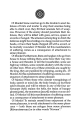
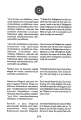
Bahiyya was one amongst a group of monks who climbed up onto a mountain plateau and vowed to themselves not to leave the mountain until they could attain enlightenment or at least fly down in the air by their own mental powers. After three days of meditation, one of the group became an arahat—he promised to bring food back from his almsround for the others, but they refused to eat it. On the fifth day, another monk became enlightened at the level of "non-returner" and he went for almsround too, but again, the others refused to eat his almsfood. After the passing of seven days, the remainder of the group died of starvation.
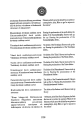
They had effectively meditated to death, but the habit of earnest, to sacrifice even one's own life in meditation, carried over into subsequent lifetimes allowing them to attain enlightenment in their meditation with uncommon ease. Tappa-mallaputta was able to attain Arahantship from the age of seven. Bahiya had also been one of the group. The Buddha gave Bahiya only a very short sermon:
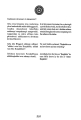
"Seeing only, hearing only, smelling only, tasting only, coming in physical contact only—for all things just sensing."
หน้าหนังสือทั้งหมด
1
2
3
4
5
6
7
8
9
10
11
12
13
14
15
16
17
18
19
20
21
22
23
24
25
26
27
28
29

30
31
32
33
34
35
36
37
38
39
40
41
42
43
44
45
46
47
48
49
50
51
52
53
54
55
56
57
58
59
60
61
62
63
64
65
66
67
68
69
70
71
72
73
74
75
76
77
78
79
80
81
82
83
84
85
86
87
88
89
90
91
92
93
94
95
96
97
98
99
100
101
102
103
104
105
106
107
108
109
110
111
112
113
114
115
116
117
118
119
120
121
122
123
124
125
126
127
128
129
130
131
132
133
134
135
136
137
138
139
140
141
142
143
144
145
146
147

148
149
150
151
152
153
154
155
156
157
158
159
160
161
162
163
164
165
166
167
168
169
170
171
172
173
174
175
176
177
178
179
180
181
182
183
184
185
186
187
188
189
190
191
192
193
194
195
196
197
198
199
200
201
202
203
204
205
206
207
208
209
210
211
212
213
214
215
216
217
218
219
220
221
222
223
224
225
226
227
228
229
230
231
232
233
234
235
236
237
238
239
240
241
242
243
244
245
246
247
248
249
250
251
252
253
254
255
256
257
258
259
260
261
262
263
หนังสือที่เกี่ยวข้อง
Load More