

Understanding Dhamma and Monastic Disciplines : หน้า 71/105
The ordination : หน้า 71/105 Explore the dual meanings of Dhamma, encompassing moral goodness and truth in life.
0 ครั้ง

สรุปเนื้อหา
Dhamma has a dual meaning: it encompasses moral aspects like kindness and respect, as well as truths about life including birth, ageing, sickness, and death. This concept is grounded in the teachings of the Pali Canon and natural phenomena, signifying its importance in understanding both ethical behavior and universal truths. For more insights, visit dmc.tv.
หัวข้อประเด็น
-Dual meanings of Dhamma
-Moral goodness in Dhamma
-Truths about life in Dhamma
-Teachings of the Pali Canon
-Natural phenomena as Dhamma
ข้อความต้นฉบับในหน้า
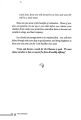
8. Dhamma and Monastic Disciplines
Dhamma has two meanings.
First: it means that things are right and good, such as kindness and respect, tolerance and patience, avoidance of whining and impatience.
Second: it means things that are true, such as the reality of life, birth, ageing, sickness and death.
Dhamma can have this double meaning, depending on the circumstances, and context.
All the teachings in the Pali Canon and natural phenomenon, are all considered to be "Dhamma".
หน้าหนังสือทั้งหมด


































หนังสือที่เกี่ยวข้อง
Load More