

Buddha-Bild : ค้นหาหนังสือธรรมะ หน้า 37 / 90
หน้าหนังสือทั้งหมด
5
Advanced Concepts in Buddhism
which are unnecessarily caught up with Thai culture have been minimized or omitted.
The content of this book is more advanced than the for- going titles in the series 'Buddhism in Plain English'. This
This book, part of the 'Buddhism in Plain English' series, offers advanced insights into Buddhism's higher spiritual training, focusing on the renunciation of mundane life. It discusses the common mis
12
The Noble Eightfold Path: Key Concepts and Insights
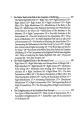
7 The Noble Truth of the Path to the Cessation of Suffering .................... 117
The Noble Eightfold Path 117 • Right View 118 • Right Intention 118 • Right Speech 118 • Right Action 118 • Right L
The Noble Eightfold Path is a fundamental Teaching of Buddhism aimed at overcoming suffering. It consists of eight essential practices: Right View, Right Intention, Right Speech, Right Action, Right L
16
Understanding the Dhammacakka Pavattana Sutta
emonies. This is especially true of the ceremonies held on Asālha Pūjā Day, when it is a traditional duty for Buddhist monks to celebrate the anniversary of the preaching of the Dhammacakka Pavattana
The Dhammacakka Pavattana Sutta holds significant importance in Buddhist ceremonies, especially during Asālha Pūjā Day when monks chant it for laypeople's benefit. Unfortunately, finding unabridged co
25
The Middle Way: A Path to Liberation
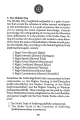
3. The Middle Way
The Middle Way [majjhima paṭipadā] is a path of practice that avoids the extremes of either sensual indulgence or self-mortification. It is a path of practice that is conducive to ta
The Middle Way [majjhima paṭipadā] serves as a balanced path in Buddhism, steering clear of both sensual pleasures and self-mortification. This approach is aimed at tempering the mind, achieving supre
27
Understanding the Four Noble Truths in Buddhism
**1. Saccaṇāṇa:** This first cycle of examination of the knowledge of the Four Noble Truths established the knowledge of the Truth of their Existence. Thus he was to find out: 'this is the Noble Truth
This text outlines the process of examining the Four Noble Truths in Buddhism through three cycles: Saccaṇāṇa (knowledge of existence), Kiccāṇāṇa (knowledge of duty), and Kataṇāṇa (knowledge of fulfil

30
The Middle Way: Balancing Sensual Indulgence and Self-Mortification
the harmfulness of the extremes of sensual indulgence and self-mortification, and advocated the following of the Middle Way or Noble Eightfold Path, the ‘group of five’, especially Keṇḍāṇa who was mos
This text discusses the risks associated with extreme sensual indulgence and self-mortification, underscoring the importance of following the Middle Way or Noble Eightfold Path. It highlights Keṇḍāṇa,
32
Metaphors of Sensual Indulgence
Commentorial Metaphors: Indulgence in sensual pleasures:
1. A pig content to wallow in dung: Indulging in sensual pleasures is rather like a pig, which spends all its life wallowing in the warm mud an
This text delves into various metaphors that depict the indulgence in sensual pleasures as detrimental and unfulfilling. Comparing such indulgence to a pig in dung, a rotting corpse, and a dog with bo
48
Understanding Dhammacakkapavattana Sutta
mon wouldn't have been called 'Dhammacakkapavattana Sutta' if only the Four Noble Truths or Dependent Origina-
tion or the Factors of Enlightenment were important — thus by the name of the sermon, we
In the Dhammacakkapavattana Sutta, the Buddha presents interconnected teachings that highlight the importance of the Four Noble Truths, Dependent Origination, and the Factors of Enlightenment. The ser
53
The Noble Truth of the Origin of Suffering
2. Explanation of the Noble Truth of the Origin of Suffering
The Lord Buddha’s explanation of the Origin of Suffering includes all four of the Origin of Suffering’s implications in the light of the Fo
The Lord Buddha explains the Origin of Suffering, emphasizing craving as the root cause affecting all living beings. It identifies two forms of craving: self-centred craving (for personal advantage) a
59
Understanding the Noble Truths of Suffering
by reflecting on Suffering's meaning at 2, 3 and 4 in that
order. As for the the meaning at 2, even though it is con-
cerned with the Noble Truth of Suffering, it has implications
reaching to the Orig
The text reflects on the meanings of Suffering within Buddhism, particularly its Noble Truths. It discusses how the meanings related to Suffering connect with the Origin, Cessation, and the Noble Eigh
69
Understanding Suffering and Aging
bear.
When the sun shines in the morning, all the different flowers of the meadow and the water, open up their petals to welcome its rays. However, when the rays of the sun become hotter, the same flo
This text discusses the philosophical concepts of aging and illness in relation to suffering. It compares the vitality of youth and the deterioration that comes with age to flowers that wither in the
71
The Suffering of Death
them terrible fear of hell at the end of their life. This is another aspect of the suffering of death.
As for the wealthy who have so many possessions, or those with lots of relatives, there is a tend
This text discusses the various aspects of suffering that accompany death, including the fear of hell, anxiety over possessions and loved ones, and the experiences of those who face execution. It high
72
The Four Enemies: Understanding Suffering
with cool shade and sparkling waterfalls. The first enemy
offers to take the guard to show him the other forest. Unwit-
tingly mistaking the enemy for a friend, he goes with him.
Eventually reaching t
This text discusses the metaphor of four enemies that represent the sufferings inherent in human existence: birth, aging, illness, and death. Birth is akin to the first enemy, seducing us into life, w
76
Understanding the Aggregates of Clinging in Buddhism
attachment and can therefore lead to suffering. The reason that attachment to the Five Aggregates causes suffering is that they belong to the mundane world [lokiya] and are therefore referred to as ‘A
The Aggregates of Clinging plays a pivotal role in Buddhist teachings on suffering, highlighting how attachment to the Five Aggregates leads to various forms of suffering. While individuals reaching t
79
The Noble Truth of the Origin of Suffering
The Noble Truth of the Origin of Suffering
After explaining the Noble Truth of Suffering, Lord Buddha continued with an explanation of the origin of suffering. He pointed to craving as the origin of
In this teaching, the Buddha elaborates on the origin of suffering, identifying craving as the root cause. This craving for rebirth keeps beings trapped in a continuous cycle of existence, experiencin
81
Understanding Ascetic Practices and the Pursuit of Brahmā Realms
The ascetics who subscribe to this dogma and who have developed a certain degree of meditation, may acquire the ability to recollect their previous lives and will know what form they had taken in prev
Ascetics who follow specific dogmas may recollect their past lives and aspire to be reborn in the Form-Brahmā world, striving for the Ultimate Truth. They believe that by enhancing their meditation pr
82
Understanding Craving in Buddhism
knowledge of such ascetics are the Formless Brahma Realms — knowledge gained as the result of developing the formless absorptions [arûpajhâna]. Such ascetics misunderstand that being reborn in the For
This text delves into the Buddhist concept of craving, specifically how its pursuit influences rebirth and suffering. It discusses the misinterpretation by ascetics aiming for the Formless Brahmā real
83
Understanding Attachment: Lessons from the Lord Buddha
characterized by the Lord Buddha as being attached to the things we like. It is like a monkey trapped by glue in a monkey trap. Normally it sticks to the trap when it sits down, and trying to prise it
This text discusses the concept of attachment as characterized by the Lord Buddha. It compares attachment to a monkey caught in a glue trap, illustrating how initial affection transforms into deep att
85
The Path of Wholesomeness and Unwholesomeness
- stealing [adinnāḍāna]
- committing adultery [kāmesumicchācāra]
Unwholesome speech comprises:
- telling lies [musāvāda]
- divisive speech [pisuṇaṅāṭa]
- harsh speech, insults and swearing [pharusavaṭ
In Buddhism, ten unwholesome behaviors are cautioned against: stealing, committing adultery, lying, divisive speech, harsh speech, idle chatter, covetousness, vengeful thinking, and false views. These
86
Understanding Craving and Suffering in Buddhism
ing after such wealth, even though it is acquired by honest
means, is still subject to suffering because it contains craving which is the origin of suffering. Even the craving for the
Brahmā-world and
This text delves into the concept of craving in Buddhism, emphasizing that even honest wealth can lead to suffering due to inherent craving. It discusses how aspirations for the Brahmā-world can trap