

Advanced Concepts in Buddhism : หน้า 5/263
The Buddha’s First Teaching : หน้า 5/263 Explores higher spiritual training and the significance of renunciation in Buddhism beyond Thai cultural perceptions.
0 ครั้ง
สรุปเนื้อหา
This book, part of the 'Buddhism in Plain English' series, offers advanced insights into Buddhism's higher spiritual training, focusing on the renunciation of mundane life. It discusses the common misconceptions people have about life, health, and youth, and lays a foundation for understanding the Buddha's path for those who may feel disconnected from these ideas. The text encourages deeper reflection on life’s impermanence and the importance of transcending worldly attachments for a more profound spiritual understanding. For more insights, visit dmc.tv.
หัวข้อประเด็น
-Higher Spiritual Training
-The Concept of Renunciation
-Mundane vs. Spiritual Life
-Common Misconceptions about Existence
-Buddha's Journey and Insights
ข้อความต้นฉบับในหน้า
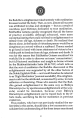
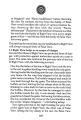
which are unnecessarily caught up with Thai culture have been minimized or omitted.
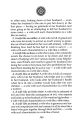
The content of this book is more advanced than the for- going titles in the series 'Buddhism in Plain English'. This book had thus been placed as number '3' in the series be- cause the content of the book is reasonably difficult, deal- ing almost entirely with higher spiritual training. It goes much further than, for example, Blueprint for a Global Being or Buddhist Economics which are grounded on a basis of everyday life and virtues. In fact, the whole subject of re- nunciation of the mundane, which is the point of depar- ture for this book, may seem alien to householders who might feel perfectly contented with their lot in life. There may be a tendency to see the Buddha's renunciation of the world as at best irrelevant to themselves or extreme, or at worst irresponsible. For this reason, it is necessary to lay a foundation of understanding for the reader concerning three major issues before embarking upon the main body of this book.
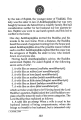
Firstly, it is important to understand that the vast major- ity of people live in a world of delusion. Even without touch- ing a drop of alcohol, they tend to be drunk with the ap- parent perpetuity of life, labouring under the misappre- hensions that:
1. life will be long;
2. they will be forever free of illness;
3. their youth will be eternal.
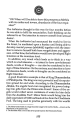
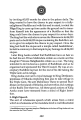
When Prince Siddhattha journeyed outside the palace in his youth, witnessing the three so-called ‘angelic emissar- ies’ [devaḍūta], an old man, a sick man and a corpse, he did not see these things as others before him had. Most
หน้าหนังสือทั้งหมด
1
2
3
4
5
6
7
8
9
10
11
12
13
14
15
16
17
18
19
20
21
22
23
24
25
26
27
28
29

30
31
32
33
34
35
36
37
38
39
40
41
42
43
44
45
46
47
48
49
50
51
52
53
54
55
56
57
58
59
60
61
62
63
64
65
66
67
68
69
70
71
72
73
74
75
76
77
78
79
80
81
82
83
84
85
86
87
88
89
90
91
92
93
94
95
96
97
98
99
100
101
102
103
104
105
106
107
108
109
110
111
112
113
114
115
116
117
118
119
120
121
122
123
124
125
126
127
128
129
130
131
132
133
134
135
136
137
138
139
140
141
142
143
144
145
146
147

148
149
150
151
152
153
154
155
156
157
158
159
160
161
162
163
164
165
166
167
168
169
170
171
172
173
174
175
176
177
178
179
180
181
182
183
184
185
186
187
188
189
190
191
192
193
194
195
196
197
198
199
200
201
202
203
204
205
206
207
208
209
210
211
212
213
214
215
216
217
218
219
220
221
222
223
224
225
226
227
228
229
230
231
232
233
234
235
236
237
238
239
240
241
242
243
244
245
246
247
248
249
250
251
252
253
254
255
256
257
258
259
260
261
262
263
หนังสือที่เกี่ยวข้อง
Load More