

Understanding Attachment: Lessons from the Lord Buddha : หน้า 83/263
The Buddha’s First Teaching : หน้า 83/263 Explore the profound teachings of the Lord Buddha on attachment and desire, illustrating how they trap the mind.
0 ครั้ง
สรุปเนื้อหา
This text discusses the concept of attachment as characterized by the Lord Buddha. It compares attachment to a monkey caught in a glue trap, illustrating how initial affection transforms into deep attachment, making it hard to let go. Such attachments lead individuals to become more materialistic, making them indifferent to the suffering of others. The text warns that excessive desire can alter one’s fundamental nature and hinder charitable actions. Like dye on a cloth, desire permanently stains the mind, indicating that giving it up becomes increasingly challenging. Ultimately, unchecked desires can lead to negative consequences even in future lives.
หัวข้อประเด็น
- Attachment and desire
- Materialism
- Buddha's teachings
- Impact of desire on personality
- Charitable giving challenges
ข้อความต้นฉบับในหน้า
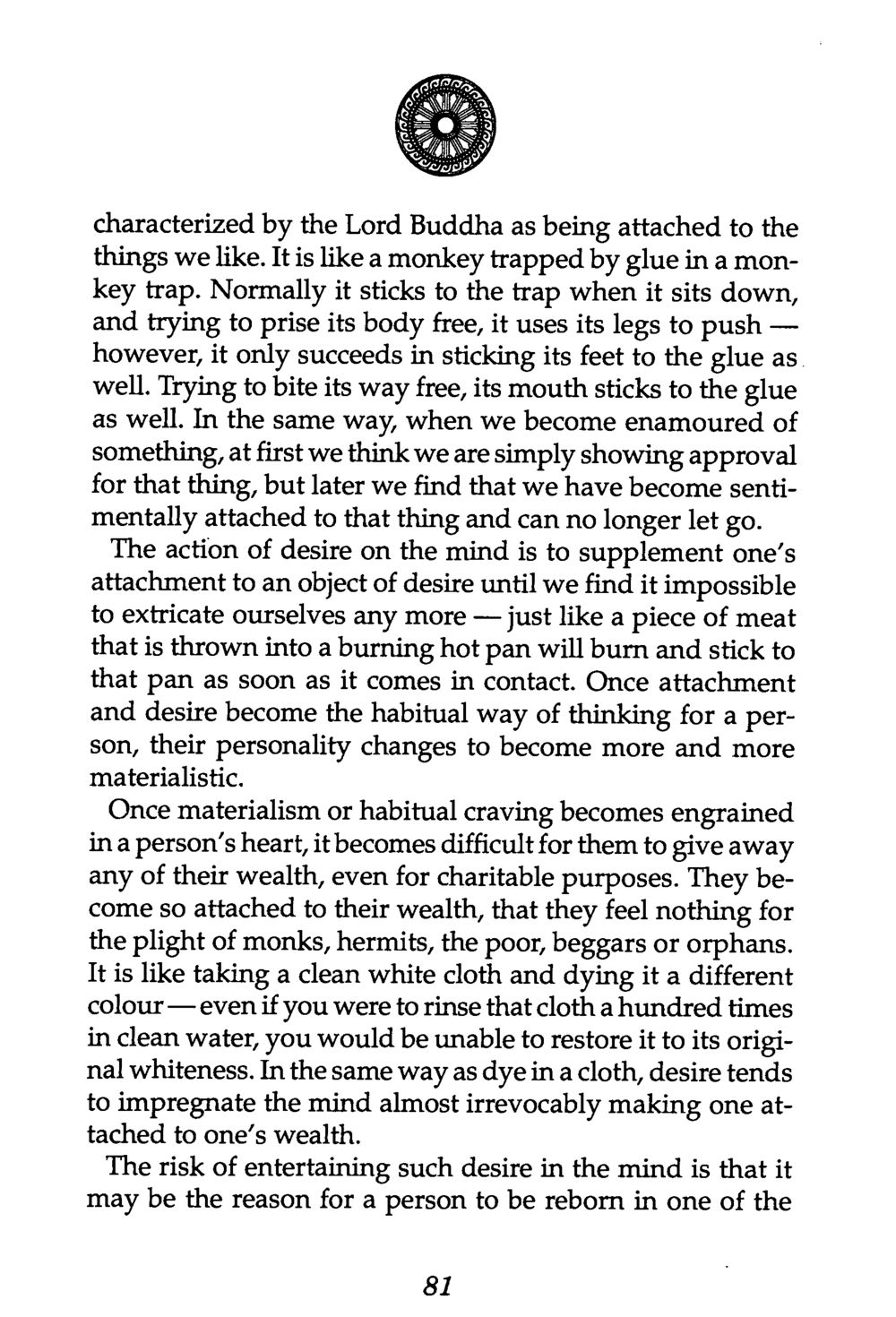
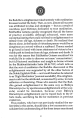
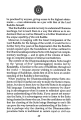
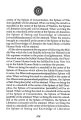
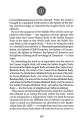
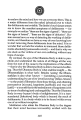
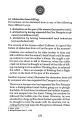
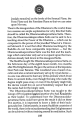
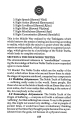
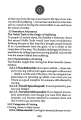
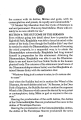
characterized by the Lord Buddha as being attached to the things we like. It is like a monkey trapped by glue in a monkey trap. Normally it sticks to the trap when it sits down, and trying to prise its body free, it uses its legs to push — however, it only succeeds in sticking its feet to the glue as well. Trying to bite its way free, its mouth sticks to the glue as well. In the same way, when we become enamoured of something, at first we think we are simply showing approval for that thing, but later we find that we have become sentimentally attached to that thing and can no longer let go. The action of desire on the mind is to supplement ONE'S attachment to an object of desire until we find it impossible to extricate ourselves any more — just like a piece of meat that is thrown into a burning hot pan will burn and stick to that pan as soon as it comes in contact. Once attachment and desire become the habitual way of thinking for a person, their personality changes to become more and more materialistic. Once materialism or habitual craving becomes engrained in a person's heart, it becomes difficult for them to give away any of their wealth, even for charitable purposes. They become so attached to their wealth, that they feel nothing for the plight of monks, hermits, the poor, beggars or orphans. It is like taking a clean white cloth and dying it a different colour — even if you were to rinse that cloth a hundred times in clean water, you would be unable to restore it to its original whiteness. In the same way as dye in a cloth, desire tends to impregnate the mind almost irrevocably making one attached to one's wealth. The risk of entertaining such desire in the mind is that it may be the reason for a person to be reborn in one of the
หน้าหนังสือทั้งหมด
1
2
3
4
5
6
7
8
9
10
11
12
13
14
15
16
17
18
19
20
21
22
23
24
25
26
27
28
29
30
31
32
33
34
35
36
37
38
39
40
41
42
43
44
45
46
47
48
49
50
51
52
53
54
55
56
57
58
59
60
61
62
63
64
65
66
67
68
69
70
71
72
73
74
75
76
77
78
79
80
81
82
83
84
85
86
87
88
89
90
91
92
93
94
95
96
97
98
99
100
101
102
103
104
105
106
107
108
109
110
111
112
113
114
115
116
117
118
119
120
121
122
123
124
125
126
127
128
129
130
131
132
133
134
135
136
137
138
139
140
141
142
143
144
145
146
147
148
149
150
151
152
153
154
155
156
157
158
159
160
161
162
163
164
165
166
167
168
169
170
171
172
173
174
175
176
177
178
179
180
181
182
183
184
185
186
187
188
189
190
191
192
193
194
195
196
197
198
199
200
201
202
203
204
205
206
207
208
209
210
211
212
213
214
215
216
217
218
219
220
221
222
223
224
225
226
227
228
229
230
231
232
233
234
235
236
237
238
239
240
241
242
243
244
245
246
247
248
249
250
251
252
253
254
255
256
257
258
259
260
261
262
263
หนังสือที่เกี่ยวข้อง
Load More