

C : ค้นหาหนังสือธรรมะ หน้า 465 / 507
หน้าหนังสือทั้งหมด
149
The Benefits of Mindfulness Meditation
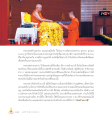
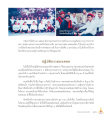
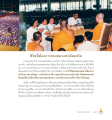
หลวงพ่อลสร้างลูกพระ ลูกเณรอยู่ในวัด ได้รมเงาบงามธรรมของท่าน ลูกพระ ลูกเณร
3,000 รูป ทั้งสาขาในประเทศ ต่างประเทศ เจ้าหน้าที่ยูลา อุบลสาร และเจ้าหน้าที่กว่ 6,000
ชีวิต ที่มาย้ำรวมกัน ภาพีปรากฎลำนี้ จึ
Mindfulness meditation offers numerous benefits for mental and emotional health, including reduced stress and anxiety, improved focus, and enhanced emotional regulation. Through consis…
150
Untitled
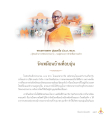
พระมหานพพร ปุณฺญโชโต ป.ธ.๙ พรด.
·ผู้ช่วยเจ้าอาวาสพระธรรมกาย · รองผู้อำนวยการสถาสนัสองค์กร
วัดเหมือนบ้านที่อบอุ่น
ในช่วงวัยเด็กประมาณ ๑-๒ ขวบ ยายแม่พามาวัด สมัยก่อนยิยมแม่ทำงานเกี่ยวกับรถโดยสาร บริษั
No content provided for summary
152
Untitled
อีกทั้งมีเพื่อนที่ไปส่งสมหวังเดียวกัน ต่อมาเมื่อหลวงพ่อท่านปรารถว่า ช่วงนี้หลวงพ่อปรารถนาให้ลูก ๆ มาศึกษาวิชาชรรรมอย่างจริงจังแล้ว ใครที่อยากอยู่กับหลวงพ่อ ก็มาเลย จึงตัดสินใจมาเป็นสามเณรกับเพื่อน ๆ ท
No content to summarize.
153
Understanding the Basics of Quantum Computing
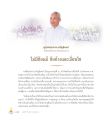
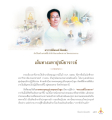
อุบาทสกลอำนาจ เจริญอัมพร
สำนักงานรองประธาน วัดพระธรรมกาย
"ไม่มีข้อแม้ ข้ออ้างและเงื่อนไข
ผมชื่ออำนาจ เจริญอัมพร เป็นอานุสรณ์ที่ 2 เข้าครั้งแรกเมื่อวันที่ ๕ สิงหาคม พ.ศ.
๒๕๒๖ ตรงกับอาทิตย์ต้นเดือน มา
This text introduces the fundamental concepts of quantum computing, focusing on the significance of quantum bits (qubi…
154
Understanding Machine Learning
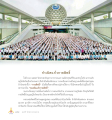
นั่งสมาธิระยะยาว ณ อุทยานแห่งชาติดอยตุงอ.เชียงใหม่ พ.ศ. ๒๕๖๖
This book provides an in-depth look at machine learning, covering its principles, algorithms, and real-world applications. Readers will gain i…
156
Untitled Document
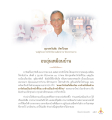
อาจารย์ลือพงศ์ ลีลพัง
นักวิจัยสร้างสรรค์ สำนักงานคณะมนิธรรมศากล วัดพระธรรมกาย
เส้นทางมหาปูชนียาจารย์
คงจะถึงเวลาที่เราจะได้เข้ามาสูงสมบูรณาญในปี พ.ศ. ๒๕๖๒ ที่สาวซึ่งเป็นนักศึกษามหาวิทยาลัยเกษตรศาสตร
This document serves as a placeholder for important content that needs to be summarized. It contains key inf…
159
Book Page Title
ก่ำเนิดแก้วาฬสิทธิ์
ในปี พ.ศ. ๒๕๕๕ วัดประสาทบุญญาวาสจากภายนอก จนสํารอชّنที่ระลึกและห่วงใยวัด มารวมตัว
อยู่ในวัดกันเป็นจำนวนมาก จึงจำเป็นต้องจัดระบบ วางระเบียบความเป็นอยู่ และตั้งชื่อกลุ่มฐา
รั้ววัดเหล
This content explores the main themes and ideas that the author presents throughout the book. It delves in…
160
Untitled
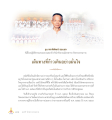
อุษาสวังคันย์ ศักดิ์โกมล
รองผู้อำนวยการสำนักกายานิติสถาก วัดพระธรรมกาย
อบอุ่นเหมือนบ้าน
มาตั้งแต่แรกวันที่ 16 มกราคม พ.ศ. 2522 ประทับใจวัดได้บอกอากาศอบอุ่น เหมือน
ได้กลับบ้าน เห็นพี่ ๆ อุษาส มีรงพรร
No content provided to summarize.
163
Default Title
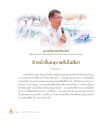
อาบาสกพิพัฒน์ ชอบชล
พี่เลี้ยงปฏิบัติธรรมกองอุบมาสาธิ สำนักกัลยาณมิตรสกาล วัดพระธรรมกาย
เส้นทางที่ก้าวเดินอย่างมั่นใจ
สมัยยังเป็นเด็กมีความราปราถนาที่จะนมัสการและเชื่อมั่นในพระ ช่วงวัยของชีวิตที่เหลื
Default summary providing an overview of the content relevant to the fields of interest, including important themes and ideas. No URLs will be inc…
165
The Guide to Effective Time Management
อุบาสวินิจ พันธวีระรัตน์
ผู้เชี่ยวชาญประจำกองอบรมสมาธิ สำนักกลายามจิตสากล วัดพระธรรมกาย
หัวหน้าขั้นอนุบาลฝันในฝัน1
ผมเป็นเด็กบ้านนอก เด็กทะเล ไม่มีความรู้เรื่องพระพุทธศาสน_lกไ่มี มีพระท่านไปชวนบวช ค
In this comprehensive guide, readers will explore the importance of effective time management in achieving pe…
166
OCR Text Analysis
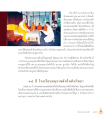
เรื่องที่ท่านเทียนเสด็จคือ ลักษณะมหาบุรุษ ๒๗ ประการ ฟังแล้วมีความสุข ไม่หลับเลย แรงบันดาลใจเกิดขึ้นท่วมท้น เส้นทางสายนี้ถ้าเป็นอย่างหลวงพ่อดี ได้บวชเป็นพระ ได้เทวาศาสน เกิดความรู้สึกกล้ากว่า ถ้าเรียนจ
OCR technology has revolutionized how we extract and process text from digital images. This section ex…
167
Untitled
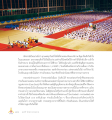
โรงเรียนอนุบาลฝันในฝันณวิทยา
No content provided.
168
Untitled
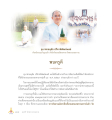
ชีวิตที่ต้องการของหลวงพ่อธัมมชโย
ท่านเคยบอกไว้ว่า หลวงพ่อไม่ต้องการอะไรจาก ที่นั่งทั้งหมด ไม่ใช่หลวงพ่ออยากเด่น อยากดัง แต่ทำเพื่อจาพระพุทธศาสนา เพื่อโลก สร้าง ๆ แล้ว มีเพียงอาหารแค่ ใด นี้ มีนี้นั่
No summary available as no content was provided.
169
Untitled
อุบาสกอณัชย์ ปรีดาภิพัฒนพงษ์
หัวหน้ากองแก้วภูเก้า สำนักกัลยาณมิรศาลา วัดพระธรรมกาย
พบครูดี
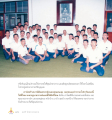
อุบาสกอณัชย์ ปรีดาภิพัฒนพงษ์ ผมได้เริ่มเข้ามาสร้างบารมีอย่างเต็มที่เต็มกำลังหลังจากที่ได้เข้ามอบธรรมะทยาย
No content provided.
171
No content provided
หรือรับบุญใหญ่ ท่านจะให้เจริญใจที่ศูนย์กลางกาย และอธิษฐานจิตตลอดเวลา ให้เราไม่เคลื่อน
ไปจากศูนย์กลางกายหรือบุญเลย
เรานักสร้างบารมีต้องตะหนักและสอนตนเอง บอกตนเองว่าจะไปหวัดแบบนี้
ได้ที่ไหน จะหาคครูอาจา
No summary can be generated due to lack of content.
172
Untitled
อุษาสุภ ผศ.ดร.วีระ สละ
รองผู้อำนวยการสำนักสื่อสิ่งพิมพ์ วัดพระธรรมกาย
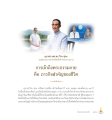
การเข้าถึงพระธรรมกาย
คือ ภารกิจสำคัญของชีวิต
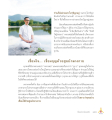
อุษาสุภะ สาโภ หรืออาจารย์ดัง เข้าวัดตั้งแต่ ปี พ.ศ. ๒๕๒๖ ตอนนั้นอายุ ๑๖ ปี
วันนั้
No content provided for summary.
174
No content provided
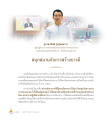
ท่านก็ยังอ่านพระไตรปิฎกอยู่ จนพระไตรปิฎก สัมผัสกับมือท่านจนซ้ำ ท่านบอกว่าได้ข้อคิด ใหม่ ๆ ที่เกิดขึ้นจากการอ่านพระไตรปิฎกอยู่เสมอ อัษฏษัยของหลวงพ่อทัตตชีโว คือท่านรึแล้ว ท่านอยากให้ลุก ๆ รู้ว่าด ท่านไ
No summary can be generated as no content was provided.
175
Enhancing Your Productivity at Work
อุบาสกสันติ ด รุ่งสุขผลาภร
ผู้ช่วยผู้อำนวยการสถาบันพัฒนายุวชนโลก วัดพระธรรมกาย
ประธานชมรมพุทธศาสตรสากล หัวหน้าอาศรมอาสาสมัคร
สนุกสนานกับการสร้างบารมี
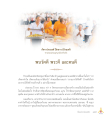
จุดเริ่มต้นของเส้นทางการสร้างบารมี เริ่มก่อตั้งท
In this chapter, we explore various techniques and tips for maximizing productivity at work. Readers will lea…
178
OCR Text Title
กัลย ประยงค์ ปีขาว (ป้ายงค์)
ชาวคลองสามมุขบุญกิริยาสร้างวัด
พบวัดดี พระดี และคนดี
ป้ายี่เป็นคนจังหวัดปทุมธานีโดยกำเนิด บ้านอยู่คลองสาม เคยคําถามข้ํามาในใจว่า "เราเกิดมา ทำไม เกิดแล้วอยากได้อะไ
This summary encapsulates the main points from the OCR text, focusing on its relevance and context. It highlights ke…
179
Untitled
สุข "ใจบอกว่า "ใช่เลย" ความคิดข้างในเขาบอกว่า "เราไม่รู้อีกเยอะ" ในเมือยังไม่รู้ เราจะต้องรู้ให้ได้ว่า เขาทำอะไรบ้าง
No content provided for a summary.