

F.N. : ค้นหาหนังสือธรรมะ หน้า 269 / 300
หน้าหนังสือทั้งหมด
94
The Nature of Suffering and the Pursuit of Happiness
which they try to derive happiness are themselves of the
nature of suffering. The suffering of such people, at root
comes from their search for sense-pleasure and sense-ob-
jects. Even the suffering t
This text discusses how the pursuit of happiness through sense-pleasures results in suffering. It emphasizes that those who do not derive happiness from sense-objects remain unaffected by external mis
95
The Noble Truth of the Cessation of Suffering
The Noble Truth of the Cessation of Suffering
When the Lord Buddha had finished his explanation of the origin of suffering, he continued with an explanation of the cessation of suffering. The essence
This text explains the Buddha's teaching on the cessation of suffering, emphasizing the importance of extinguishing craving through the Noble Eightfold Path. It highlights that addressing the root of
96
Understanding the Root of Suffering
up, but to get rid of the suffering in a way that it will not grow up again, it is not enough simply to cut off the branches and the twigs — the tree must be completely uprooted — that is craving, the
The text discusses how to effectively eliminate suffering by addressing its root cause: craving. It likens the relationship of craving to suffering to a lion hunted by a hunter, emphasizing that unles
97
Understanding Craving and Suffering in Buddhism
practices will lead them to an end of suffering — but without realizing that it is only adding to their suffering. Thus it is compared to a dog who seizes whatever it likes from the owner without tak
This text elaborates on the Buddhist perspective regarding craving as the fundamental cause of suffering. It compares improper practices to a dog snatching things without regard, while proper practice
98
Exploring Sensual Delights and the Six Sense Organs
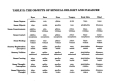
TABLE II: THE OBJECTS OF SENSUAL DELIGHT AND PLEASURE
| | Eyes | Ears | Nose | Tongue | Body Skin
This table presents an intricate overview of the six sense organs in relation to their corresponding objects, consciousness, contact, feelings, registration, volition, craving, thought conception, and
100
Understanding Sensual Attachments in Practice
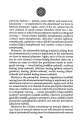
previous factors — senses, sense objects and sense-con- sciousness — is implicated in the attachment we have to sensual pleasures. Again, each of the six senses has its own channel of sense-contact th
This text explores the relationship between the six senses and their respective sense contacts, feelings, perceptions, and volition, emphasizing the need for practitioners to extinguish craving associ
101
Understanding Sensory Craving and Attachment
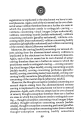
registration is implicated in the attachment we have to sensual pleasures. Again, each of the six senses has its own channel of sense-volition therefore there are a further six areas in which the prac
This text delves into the role of sensory experiences in fostering attachment to sensual pleasures, with a focus on the six senses: visual, auditory, olfactory, gustatory, tactile, and mental. Each se
102
Overcoming Craving through the Noble Eightfold Path
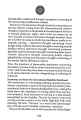
[phottabhba-vitaka] and thought-conception concerning of the mental objects [dhamma-vitaka].
Moreover, the discursive thought [vicāra] concerning our sensual objects arising from the aforementioned se
This text explores how discursive thoughts about sensory objects lead to attachment and suffering. Each of the six senses contributes to craving, necessitating practitioners to overcome these attachme
104
The Dhammakaya Tradition and Luang Phaw Wat Paknam
practice of the Middle Way until attaining levels of Buddhist
sainthood according to their potential. All the evidence that
is left by some Buddhist saints is their scriptural testimo-
nies, but some
The practice of the Middle Way leads to various levels of Buddhist sainthood according to individual potential. Luang Phaw Wat Paknam, the prominent monk who discovered the Dhammakaya Tradition, is re
105
Rediscovery of the Dhammakāya Tradition
mentaries for most people to understand. The knowledge of Dhammakāya is said to have diminished and eventually for some unknown reason, disappeared from Buddhism approximately 500 years after the Pari
The Dhammakāya tradition, once diminished in Buddhism, was revitalized by Luang Phaw Wat Paknam who dedicated his life to its teachings. His outreach efforts led to the tradition being acknowledged in
106
Understanding the Middle Way in Dhamma Practice
In terms of practice however, Luang Phaw Wat Paknam explained how we can know we are practicing the Middle Way in the sermon he gave on the Dhammacakkapavattana Sutta on 3 January 1955. He explained t
In his sermon on the Dhammacakkapavattana Sutta, Luang Phaw Wat Paknam elucidates the profound significance of the Middle Way, urging practitioners to find stillness at the body’s central point. This
108
The Path to Spiritual Enlightenment
center of the Sphere of Concentration, the Sphere of Wisdom [paññā] will be attained. When we bring the mind to a standstill at the centre of the Sphere of Wisdom, the Sphere of Liberation [vimutti] w
This text outlines the spiritual progression as defined by the teachings of the Buddha, emphasizing the importance of concentration, wisdom, and the journey towards liberation. It explains how by brin
109
Attaining the Angelic Body through the Middle Way
[vimuttīnādassana] will be attained. When the mind is brought to a standstill at the centre of the Sphere of the Seeing and Knowledge of Liberation the Angelic Body will be attained.
By now the sequen
The text discusses the attainment of the Angelic Body through a process of concentration and the sequential progression from the Coarse Human Body to various forms of Brahmā bodies, culminating in the
110
Understanding the Dhamma Body and Its Levels
reach the station, from there we take the train to the airport and eventually take the aeroplane that will take us to our destination.
All the various inner spheres and bodies all the way from the Phy
This text delves into the concept of the Dhamma Body, highlighting its intricate structure composed of multiple layers, each representing a different level of spiritual refinement. Luang Phaw Wat Pakn
111
Understanding the Dhammakāya in Insight Meditation
called the ‘Coarse Dhammakāya Arahant’ or the ‘Subtle Dhammakāya Arahant’ — the latter two being the bodies of enlightenment of the arahant. The Dhammakāyas are all transcendental [lokuttara] in natur
This text delves into the concept of Dhammakāya Arahant, distinguishing between the Coarse and Subtle Dhammakāya. It explains that these bodies are transcendental and consist of pure aggregates that a
112
Understanding the Dhamma Body and Overcoming Mental Defilements
to enslave the mind and how we can overcome them. This is a major difference from the naked (physical) eye to which the defilements are invisible. The limits of our human senses are to know the manife
The passage discusses the limitations of human senses in perceiving mental defilements such as greed, hatred, and delusion. It highlights the importance of the Dhamma Body in providing insight into th
113
Understanding the Dhamma Body and Its Significance
Dhamma Body, thereby make themselves invulnerable to
the action of defilements. In the past we might have been
unable to give up unwholesome behaviours (such as drink-
ing alcohol) in spite of knowing
The Dhamma Body, or Dhammakāya, represents the essence of Buddhism, highlighting the journey towards enlightenment. By attaining the Dhamma Body, individuals can free themselves from defilements such
114
The Path to Nirvana: Understanding the Dhammakāya
with which his mind had been engrained for countless lifetimes polluting his thoughts, speech and actions — which had led to retribution and leading to his continuing rebirth in the cycle of existence
This text discusses the purification of the mind through the teachings of the Buddha, emphasizing the importance of the Dhammakāya Arahat Body and the attainment of enlightenment. The Pathama Magga re
115
The Journey to Nirvana: Understanding Pathama Magga Sphere
the temptation of looking for rewards in corruption or power. Your memory and wits will be sharpened and your thinking will be fluent and creative allowing you to find constructive solutions to proble
This text discusses the Pathama Magga Sphere, emphasizing the importance of continual mental cultivation towards higher levels of happiness and success. It explains how to 'let go' of this sphere, lea
116
Understanding Nirvana: The Realm Beyond Existence
same happiness to us as if we were really in āyatanā nibbāna — but we are still ‘alive’ in our human body.
2. Nirvana without residual aggregates (Anupādisesa Nirvana [Nibbāna]) is the Nirvana that is
This text delves into the concepts of Āyatanā Nibbāna and Anupādisesa Nibbāna, explaining that Nirvana exists beyond the physical realm and is not bound by worldly elements. It describes Nirvana as a