

Self-mortification : ค้นหาหนังสือธรรมะ หน้า 2 / 30
หน้าหนังสือทั้งหมด
62
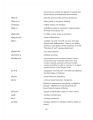
Understanding Buddhist Concepts: Key Terms and Definitions
phenomena; outside the sphere of natural law; supernatural (unexplainable phenomena)
อดิษฐาน past life; previous life; previous existence
อทินนนทาน taking what is not given; stealing
อทุกขมสุข neither
This text presents key Buddhist concepts such as 'อนัตตา' (non-self), emphasizing that there is no lasting essence, only the illusion of self that causes attachment. It discusses 'อนิจจตา' (impermanen
30
Untitled
28 : Universal Goodness
Without bearing in mind the true purposes of one's clothing,
one tends to buy clothing articles on impulse and without thought.
One tends to follow the latest fashion trends i
No summary can be generated due to lack of content.
23
The Path to Nibbana and the Challenges of Lay Life
dure six arduous years of self-mortification before discovering Niramisasukha. During this period, the Buddha came close to death more than once…
After six years of self-mortification, the Buddha discovered Niramisasukha, close to death multiple times. He emphasized living by the Dh…
76
The Journey of Siddhartha: From Suffering to Enlightenment
…ft them and decided to try his own way. Initially he experimented with extreme ascetic practices of self-mortification: living in graveyards, sleeping on beds of thorns, frying in the noonday heat and freezing beneath …
This text traces the transformative journey of Prince Siddhartha in his quest for understanding suffering and achieving enlightenment. Over the course of several visits to the village, he encounters t

30
The Middle Way: Balancing Sensual Indulgence and Self-Mortification
the harmfulness of the extremes of sensual indulgence and self-mortification, and advocated the following of the Middle Way or Noble Eightfold Path, the ‘group of five’, especi…
This text discusses the risks associated with extreme sensual indulgence and self-mortification, underscoring the importance of following the Middle Way or Noble Eightfold Path. It highlights Keṇ…
31
Dhammacakkappavattana Sutta: The Sermon
…tly avoid the two extremes of practice, namely:
1. Sensual indulgence [kamasukhallikanuyoga]
2. Self-mortification [attakilamathānu yoga]
1. Indulging in sensual pleasures [kamasukhallikanuyoga]
Sensual indulg…
… monks, emphasizing the importance of avoiding the two extremes in practice: sensual indulgence and self-mortification. Sensual indulgence is characterized by attachment to the pleasures of the five senses, leading to …
96
Understanding the Root of Suffering
…nsideration for what the owner might think. In the same way, ascetics who practice various sorts of self-mortification only add to their own suffering — they sleep on the ground, on thorns, some sit surrounded by fires…
…ary step to achieve true liberation from the cycles of suffering. Unlike other ascetics who attempt self-mortification, which only compounds suffering, the Buddha's method is to confront the underlying issue directly. …
223
Exploring Dhammakāya and the Eightfold Path
…8-9]
dishonest: trading practices, 163- enemy: trusting a - {metaphor for
5; consumer practices 165 self-mortification 36-7; wife like a 154-5
divine-abilities 118 enlightenment: of Brahmās as re-
dog: and lion, {meta…
This text delves into the Dhammakāya tradition, highlighting key components of the Eightfold Path and its teachings on defilements, enlightenment, and the nature of suffering. Concepts are illustrated
15
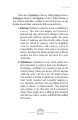
Self-Training and Endurance in Family Life
Those who have full knowledge, ability and goodness
must follow only this path in order to train themselves to keep
up with the world and its people, and not surrender to
defilements.
Surely, if you f
This text emphasizes the significance of self-training and self-control in leading a fulfilling life. By acknowledging the need to change negative habits, individuals can foster a healthier family env
25
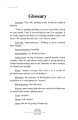
The Four Problems in Marriage
Part One: Family Life
These are: Truthfulness (Sacca), Self-Control (Dama),
Endurance (Khanti), and Sacrifice (Caga). When lacking in
any of these principles, conflict or discord will arise in any
hum
Part One: Family Life highlights four essential principles for maintaining healthy relationships: Truthfulness (Sacca), Self-Control (Dama), Endurance (Khanti), and Sacrifice (Caga). Conflict within f
184
Glossary of Key Concepts in Buddhist Philosophy
Part Seven: Appendixes
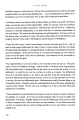
Glossary
Anattata: Non-self; nothing in the world has implicit
identity
"There is nothing out there, not even our bodies, which
we can control. Thus, it is not distinctly ours.
This glossary provides definitions for key Buddhist concepts such as Anattata (non-self), Aniccata (impermanence), and Bhavana (meditation). It emphasizes the understanding that nothing possesses a pe
142
Self-Responsibility and Social Development in Buddhism
Suzanne Jeffrey
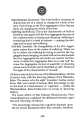
And that’s where we close the circle. We do it for ourselves because we have to develop ourselves before we can develop anything else … but everything about us affects all of the peop
The text discusses the necessity of self-development before aiding others, emphasizing self-responsibility post-birth. It highlights the crisis of independence and the importance of moral boundaries i
141
Understanding Impermanence, Suffering, and Not-Self
Impermanence [aniccān]: This is the built-in character of objects that are of a nature to change the whole of the time. Such things as the Five Aggregates of the Human Body are changing the whole of t
This text delves into the fundamental Buddhist concepts of impermanence (aniccān), suffering (dukkham), and not-self (anattā) as expressed through the Five Aggregates of the Human Body. It highlights

36
Understanding the Eightfold Path
….
It is the middle way between the two extremes of excessive self-indulgence hedonism and excessive self-mortification or asceticism, and it leads to the end of the cycle of rebirth.
The Buddha is often compared to a p…
บทความนี้อธิบายถึงมรรคหรือทางแห่งการพ้นทุกข์ในพุทธศาสนา ซึ่งคืออริยมรรค 8 ที่นำไปสู่การสิ้นสุดของทุกข์และการพัฒนาตนเองอย่างค่อยเป็นค่อยไป มันอยู่ระหว่างความพอใจมากเกินไปและการอดทนเกินไป ในการเปรียบเที
107
परम ध्यान और आत्मा का केंद्र
…t — and it is completely free of the two extremes of sensual indulgence [kāmasukhallikānu yoga] and self-mortification [attā-kilamathānu yoga] — it is the trailhead of the pathway towards the arahship. This is the mean…
लुआंग फॉ वट पाकनम ने समझाया कि शरीर के केंद्र पर ध्यान लाने की क्षमता को 'मध्यम' कहा जाता है। यह वह बिंदु है जहाँ मन सद्भाव में आता है, और इसे अच्छे या बुरे के संदर्भ में नहीं रखा जा सकता है। इसके द्व
221
Understanding Suffering and the Cycle of Existence
conditioning, stopping, Cessation of suffering 93-4 {metaphor, lion and
Suffering as 51-2; suffering as 47 hunter 94); responsible for keeping
conduct 145-6 being in cycle of rebirth 80; retin-
confu
This text delves into the nature of suffering, including its definitions and categorizations. It discusses the Cycle of Existence and how attachment leads to rebirth. The text highlights the importanc
228
Understanding Nibbāna and the Noble Truths
…ation of Suffering as 51
ocean, a wide - {metaphor for Middle Way 38
ogre, vengeful - {metaphor for self-mortification 36
ogress, man falling in love with -
{metaphor for sensual indulgence 31
om of suffering, when dyi…
This text delves into key concepts in Buddhist philosophy, particularly Nibbāna and the Noble Truths. It discusses the interrelation of teachings, the significance of practicing the Middle Way to atta
232
Exploration of Metaphors in Buddhist Philosophy
snake, poisonous, mistaken for rope spire, a palace - {metaphor for Mid-
- {metaphor for self-mortification dle Way 38-9} 36}
spouses, categories of 154-6
snake - {metaphor for craving 88}
sprite, earth- 24
…
This text explores several metaphors used in Buddhist philosophy, including the snake as a metaphor for craving and its relationship to the concept of suffering. It further elaborates on the significa
236
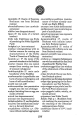
Glossary of Buddhist Terms
…ito (unprofitable: see path)
harm of sensual indulgence and arūpa (brahmā) bhava (see form-
harm of self-mortification) less Brahmā sphere)
anatta (see not-self) arūpa jhāna (see formless absorption)
aṇava raṇāṇāṇa (se…
This glossary provides definitions and explanations of essential Buddhist terms, including various realms, states of mind, and notable figures. Key concepts such as Anāgamī (non-returner), anatta (not
77
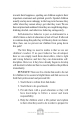
Addressing Family Issues for Child Development
Part Three: Problems Within the Family
towards their happiness, spoiling our children neglects their
important emotional and spiritual growth. Spoiled children
usually end up more unhappy in the long-
Part three discusses the critical issues faced within families when children are spoiled, leading to unhappiness and self-destructive behaviors. It emphasizes the role of parents as teachers in guidin