

Suffering : ค้นหาหนังสือธรรมะ หน้า 14 / 30
หน้าหนังสือทั้งหมด
53
Humanitarian Activities of the Dhammakaya Foundation
… survival is the first priority, the Dhammakaya Foundation has joined in the effort to diminish the suffering of the many folks through donations of food, clothing, shelter and medicine.
Relief for Flood and …
…anitarian efforts, especially during natural disasters and political unrest. Focused on alleviating suffering, the foundation provides essential donations like food, clothing, shelter, and medicine. Following …
87
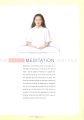
The Basic Meditation Practice
…our concentration is gone. The mind that wanders outside our own body is the source of all types of suffering. By deepening our meditation until our mind comes to a standstill we can unlock the potential and u…
…ompromise our focus. By deepening meditation, we can still the wandering mind, which is a source of suffering. This depth unlocks our potential, fostering mindfulness and happiness, providing contentment and d…
21
Understanding True Happiness
…ience in life is only momentary. It is not true happiness. For true happiness is completely free of suffering. Moreover, although we spend our lives searching for it, we have not yet found our true happiness.
…
ในข้อความนี้เราพูดถึงความสุขที่แท้จริงที่เราทุกคนแสวงหา ถึงแม้ว่าหลายคนอาจคิดว่าตนพบความสุขแล้ว แต่เมื่อไตร่ตรองอย่างลึกซึ้ง กลับพบว่าเป็นเพียงความสุขชั่วคราวที่นำมาซึ่งความทุกข์ Lord Buddha ได้ให้ควา
24
The Motives and Challenges of Ordination
…y briefly to the teachings of Lord Buddha was immediately capable of understanding the existence of suffering in the world, and thus decided to be ordained without any hesitation. Even before the monks finishe…
…ngs and achieved Arahant status. Such motivations often stem from faith and a deep understanding of suffering in the world. The sacrifices made for a life free from worldly possessions are emphasized, showcasi…
31
Letting Go of Material Worries
“I wanted to leave these worries and suffering behind, which
are…”
1. Worrying about choosing the clothes that would go with
my look and my hairs…
The text discusses the many worries related to clothing, accessories, and personal grooming. It emphasizes how these concerns can hinder true happiness and how shifting focus to meditation can lead to
33
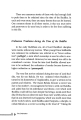
Ordination Traditions during the Time of the Buddha
… all these stories, is that you must strive and persevere to do your best, in order to be free from suffering in this life.
*Ordination Traditions during the Time of the Buddha*
In the early Buddhists era, a…
…ions during Buddha's time, emphasizing the importance of faith and perseverance for liberation from suffering. It recounts the story of Buddha's own ordination and that of his son, Rahula, highlighting the shi…
36
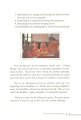
Understanding Novice Ordination in Buddhism
…e a monk, for the Dhamma is good. We must cleanse ourselves so that we may be free from all worldly suffering"
The bottom of the page has the text: "The Importance of Ordination" and the page number "35."
…ersonal gain. Lord Buddha emphasized the need for cleansing oneself to achieve freedom from worldly suffering. Breaking these precepts can lead to the loss of novicehood, thus underscoring their importance in …
92
Meditation for Beginners
…our concentration is gone. The mind that wanders outside our own body is the source of all types of suffering.
…an quickly divert our attention, leading to a wandering mind, which is the root of various types of suffering. For those beginning their journey into meditation, it lays the foundation for deeper awareness and…
14
Understanding Karma and Human Behavior
Introduction
of our actions having brought this suffering of disharmony into our lives and seek to address the causes that are creating and accumulating bad …
This text delves into the impact of our actions on accumulating karma and the subsequent effects on our lives and rebirth. It outlines the ten bodily conditions we face as we navigate life and the nec
17
Understanding True Education and the Role of Kilesa
…en human beings allow klesa to overpower them they do bad things, create bad kamma and endure human sufferings. However, with education on the means to overcome the ever-invasive klesa, humans may learn to cre…
การศึกษาที่แท้จริงคือการสำรวจตัวเองและเข้าใจข้อบกพร่องของเรา การศึกษาเพื่อแก้ไขการกระทำที่ไม่ดีและสร้างกรรมดีช่วยให้ลดทุกข์ในชีวิตได้ โดยมีการจัดการที่เหมาะสมเพื่อยกระดับศีลธรรมและความรับผิดชอบในสังคม
23
The Power of Honest Work and Meditation
…is created when a person engages in bad or dishonest work, which gives rise to negative results and suffering in this life and the accumulation of bad kamma that is carried into the next life. People who are d…
…positive energy, fostering happiness and health. Conversely, dishonest actions breed negativity and suffering, impacting current and future life. Good deeds with a pure mind lead towards peace and favorable ou…
24
Importance of Human Behaviour and Making Choices
…uture. A life without education renders one at a great disadvantage to resist kilesa and the hidden sufferings that it brings. We must be educated to recognize and know that kilesa is the master of disguise, o…
บทที่ 2 เกี่ยวกับความสำคัญของมนุษยพฤติกรรมและการเลือก เปิดเผยว่าพฤติกรรมของเราเป็นผลลัพธ์จากความคิดและการกระทำซึ่งส่งผลต่อการตอบสนองต่อสถานการณ์ภายนอก การศึกษาและปฏิสัมพันธ์ทางสังคมมีส่วนในการพัฒนาควา
26
The Importance of Good Habits in Education
… to further
strengthen the fabric of human society in a way that is of benefit and diminishes
human sufferings. Good community education leads to vibrant mental and
physical health, good personal and social ha…
… them into beneficial, harmful, and innocuous. While bad habits are hard to break and often lead to suffering, good habits can instill discipline and willpower to resist negative influences. The influence of h…
28
Understanding Kamma and Its Impact on Our Lives
…ns produce good kamma, whilst bad thoughts, words and actions produce bad kamma, which equates with sufferings.
Therefore, it is profoundly important for a good teacher to strive constantly to create good sel…
…ma—either cultivating good or bad results. Ultimately, by creating positive kamma, we can transcend suffering and the cycle of rebirth, progressing towards Nirvana. The importance of role models in teaching go…
32
The Complete Teacher: Integrating Academic Excellence and Dhamma in Education
…ht thought, word, and action. Academic knowledge alone has no moral direction and may lead to great sufferings. Teaching only academic world knowledge is incomplete teaching no matter the level of grades attai…
บทนี้อธิบายถึงความสำคัญของครูในฐานะที่เป็นแบบอย่างและการผสมผสานความรู้ทางวิชาการเข้ากับธรรม เพื่อช่วยให้นักเรียนเติบโตเป็นคนดี เนื้อหายังกล่าวถึงระดับความเข้าใจที่พระพุทธเจ้าสอนเกี่ยวกับชีวิต สี่ขั้นต
39
Cultivating Good Habits in Education
…eates baab. Also, word resources are limited; gathering more than is needed is greed and results in suffering both to ourselves and others. Those that are disadvantaged compared to ourselves become even more d…
ในบทความนี้กล่าวถึงความสำคัญของการปลูกฝังนิสัยดีในด้านการศึกษาและจริยธรรมสำหรับครูและนักเรียน ครูควรเตือนตัวเองเสมอว่านิสัยดีจะช่วยพัฒนาความรู้ทั้งด้านวิชาการและจริยธรรม การพูดและการกระทำที่ถูกต้องเริ
41
Understanding Buddha's Dhamma and Sustainable Habits
…he power of merit that results from the doing of good deeds will decrease baap.
The three types of suffering will decrease while the four elements in the body will become less soiled and less impure.
To unde…
บทความนี้กล่าวถึงพลังแห่งบุญและการลดทุกข์ที่เกิดจากการทำดี โดยเน้นถึงความสำคัญของการศึกษาในวัยเด็กเพื่อทำความเข้าใจธรรมะของพระพุทธเจ้า และวิธีการที่การโค้ชและการฝึกอบรมอย่างครบถ้วนสามารถช่วยในการพัฒนา
27
Understanding Yourself: The Journey Within
… not for anyone else. No one can do it for others. You do it because you want to free yourself from suffering...to free yourself from the enslavement of the 'Mara'".
September 20, 1982
*'Mara' refers to evil, …
…e world more clearly. Through meditation, personal insight can be achieved, leading to freedom from suffering and the obstacles represented by 'Mara.' This approach emphasizes that personal growth should be fo…
28
DhaKma: Your Path to Self-Reliance and Prosperity
…rld and beyond-physical, natural, and spiritual- no one can help me but me.
Who else can relieve my suffering? No one can, except me.
That’s why I try to help myself all of the time. I find ways to help myself…
…t, the author emphasizes the importance of self-reliance and personal responsibility in alleviating suffering. By turning to Dharma as a refuge, one can navigate life’s challenges. The key to a prosperous life…
43
Receiving Guests with Compassion and Dhamma
…minds and resist distractions.
There is an old saying, “Chanting is a balm; meditation is a pill.” Suffering is like a disease; if we use both kinds of cures, the disease will heal faster. If we can convince …
…n strengthens our resolve and focus. Remembering that chanting and meditation serve as remedies for suffering can aid both us and our guests. Constant practice and self-awareness will enhance our ability to re…