

one-pointedness : ค้นหาหนังสือธรรมะ หน้า 53 / 135
หน้าหนังสือทั้งหมด

115
Statue of Knowledge
The image contains a statue of a person holding a book and raising one finger. There is a plaque with writing below the statue, but the text is not clearly legible. Additionally, there is a sign on th
This image features a statue representing a person holding a book with one finger raised, symbolizing the quest for knowledge. Accompanying the statue is a plaque that contains writing, though it is n

47
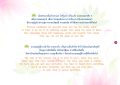
ชีวิตสมณะ: ความสุขที่แท้จริง
ชีวิตสมณะเป็นชีวิตของผู้มีบุญ พอใจมีความสุขก็จะไม่รู้สึกว่ากรงนั้นยาวนานจะรู้สึกว่าเดี๋ยววันเดี๋ยวคืน วันเวลาผ่านไปเร็ว ถ้าใจไม่มีความทุกข์จะอิ่มเอมใจรสราวฉะไหนก็ไม่มีความสุข นั่นเป็นเรื่องจริง จากประ
ชีวิตสมณะเป็นชีวิตของผู้มีบุญที่มีความสุข ด้วยความสบายใจทำให้วันเวลาผ่านไปอย่างรวดเร็ว หากใจไม่มีความทุกข์ ชีวิตของการเป็นสมณะเป็นชีวิตที่ดีที่สุดที่ไร้เครื่องพันธนาการ เสมือนคำสอนจากประสบการณ์ของหลวง
71
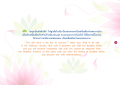
นั่งสมาธิเพื่อควบคุมสติและจิตใจ
นั่งสมาธิเพื่อควบคุมนเอง ให้รู้แจ้ง เห็นแจ้ง แตตลอดจริง ๆ
เพื่อการหมดทุกข์ เพื่อการหลุดพ้นจากการเป็นทาสของเขา
มีความสุขกับความสุข ความบริสุทธิ์ หายสงสัย ทำให้ความวางเป้าหมายชีวิตได้
Practice meditati
การนั่งสมาธิช่วยให้รู้แจ้งเห็นจริงในการอยู่ร่วมกับทุกข์ สอนให้หลุดพ้นจากการเป็นทาสของมาร และยังนำไปสู่ความสุขและความบริสุทธิ์ในชีวิต เมื่อใจถูกทำให้ละเอียดและบริสุทธิ์ จะเพิ่มบารมีและความสามารถในการกำ
81
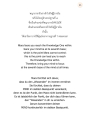
ความสำคัญของจิตใจที่นิ่งเพื่อความสำเร็จ
“หยุดเป็นตัวสำเร็จ” ให้ลูกในขณะนี้ นิ่งแน่นจนเราเป็นหนึ่งเดียวกับพระใน
เมื่อเป็นหนึ่งเดียวกันกับนาคาจะนับแน่เอง จะเเกออกจากกันไม่ได้ ให้ถือครงนี้ไปก่อน
ฝึกคุณกว่าจะได้อารมณ์ของพระ เป็นหนึ่งเดียวกับพร
ในเนื้อหานี้กล่าวถึงความสำคัญของการมีจิตใจที่นิ่ง ซึ่งเป็นกุญแจสำคัญในการบรรลุความสำเร็จ โดยการฝึกฝนสติให้มั่นคงจนกลายเป็นหนึ่งเดียวกับพระภายในตัวเรา การฝึกนี้จะช่วยให้เรารู้สึกถึงพระภายในและเป็นหนึ่ง
36
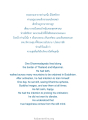
การเข้าถึงผู้มีความรู้ภายใน
พยายามากลัวเราเข้าไปถึงผู้นรู้ภายใน
กล้ใจไปอยู่ตำแหน่งฐานที่ 7
ซึ่งเป็นตำแหน่งที่พยามารบังคับไม่ได้
เป็นตำแหน่งที่จะเข้าไปถึงผู้นรู้ภายใน
ดังนั้น
ให้เอาใจมาวางไว้ที่ศูนย์กลางกายฐานที่ 7 ตลอดเวลา
Mara
เนื้อหาพูดถึงความกลัวของมาราต่อการที่เราจะเข้าถึง 'ผู้มีความรู้' ภายในผ่านการตั้งอยู่ที่ฐานที่เจ็ด ซึ่งเป็นจุดที่มาราไม่สามารถควบคุมได้ และแนะแนวว่าควรจะมุ่งความคิดไปที่จุดนั้นตลอดเวลาเพื่อเข้าถึงความ
69
ความสุขที่แท้จริงในพระพุทธศาสนา
พระธรรมทยาท่านหนึ่ง มีจิตสัทธา
ท่านอยู่แนวตะเข็บชายแดนไทยพม่า
เดินข้ามภูเขามาหลายลูก
เพื่อมาบวชเป็นพระภิกษุในพระพุทธศาสนา
ท่านมีศรัทธา พอบวชแล้วก็ตั้งใจฝึกฝนอบรมตนเอง
วันหนึ่ง ท่านนั่งนิ่ง ๆ เห็นดวงธร
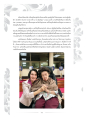
พระธรรมทยาท่านหนึ่งที่มีความศรัทธา ได้เดินข้ามภูเขามาบวชเป็นพระภิกษุในพระพุทธศาสนา ด้วยความตั้งใจฝึกฝนอบรมตนเอง วันหนึ่งท่านเห็นดวงธรรมและองค์พระ ทำให้ท่านเข้าใจว่าความสุขแท้จริงเกิดจากใจที่หยุดนิ่ง ท
83
บทบาทและความรักของแม่
สมวัยแม่เรียนเคราะห์ เพื่อนสนิทกลุ่มเดียวกันของแม่คือ คุณหญิงมีน โปะงสุขะ และท่านผู้หญิงติภา เควิดลลา พอเล่าว่า สวยมากทั้ง 3 คน มีแต่หนุ่ม ๆ มารุม และทั้ง 3 คนนี่ยังคันกันนิดหน่อย ๆ ตลอดมา จนอายุจนขึ้
เนื้อหานี้พูดถึงความสวยและสุขภาพของแม่ในวัยรุ่น โดยมีเพื่อนสนิทที่โดดเด่นเช่น คุณหญิงมีนและท่านผู้หญิงติภา แม่ดูแลสุขภาพตนเองและมีภูมิคุ้มกันที่ดี ไม่เคยติดโควิด และยังคงทำกิจกรรมเพื่อส่งเสริมสุขภาพคร
7
The Journey of Siddhartha Gotama Towards Enlightenment
he, himself, didn’t engage in the battle against delusion, there would be no-one else to do it in his place. Thus with anxiety, *not only* for his own lot in life, *not only* for the lot of his family
This text delves into Siddhartha Gotama's profound realization that if he did not confront the battle against delusion, no one would. Motivated by anxiety for himself, his family, and all beings trapp
15
Understanding the Dhammacakka Pavattana Sutta
be practised by anyone, giving access to the highest attain- ments — even attainments on a par with that of the Lord Buddha himself.
That the Buddha was able not only to understand Dhamma teachings, b
The Dhammacakka Pavattana Sutta serves as the foundational teaching of Buddhism, delivered by the Buddha to the group of five monks. It encapsulates essential principles that are crucial for anyone wi
27
Understanding the Four Noble Truths in Buddhism
**1. Saccaṇāṇa:** This first cycle of examination of the knowledge of the Four Noble Truths established the knowledge of the Truth of their Existence. Thus he was to find out: 'this is the Noble Truth
This text outlines the process of examining the Four Noble Truths in Buddhism through three cycles: Saccaṇāṇa (knowledge of existence), Kiccāṇāṇa (knowledge of duty), and Kataṇāṇa (knowledge of fulfil
44
Understanding Right Intention and Right Speech in Buddhist Practice
subtle defilements¹ [anusaya].
2.1 Right Intention (mundane): At low level Right Inten- tion means having the wholesome intention to be generous, keep the Five Precepts, renounce the world to become a
This text discusses key aspects of Buddhist practice, specifically focusing on Right Intention and Right Speech. Right Intention involves having wholesome intentions such as generosity and the desire
62
The Suffering of Birth: Understanding the Stages of Embryonic Development
The suffering of birth starts to affect beings without exception from the moment they are conceived. Some beings are fully equipped with sense spheres [āyatanā] from the moment they are born — others
The suffering of birth begins at conception and affects all beings. It varies by the mode of birth, with those born from the womb experiencing more suffering. Mammalian embryonic development shows cha
68
Understanding the Body as a House
of the six senses¹ and the deterioration of the thirty-two parts of the body², causing the body to become shrivelled and unattractive.
In actual fact, this house that is our body, has craving [tanhā
This text offers a profound understanding of the human body as a metaphorical house constructed by craving. It illustrates how the various parts of the body represent different elements of a house, hi
70
Understanding Suffering: The Dukkha of Illness and Dying
in its place. Even the Buddha and the enlightened ones are
subject to the suffering of illness — so who are we to over-
look the misery of illness?
4. Suffering as a result of Dying [marana dukkhā]
Al
This text delves into the concepts of suffering in Buddhism, particularly focusing on the pain associated with illness and the inevitable reality of death. It elucidates how all beings, including enli
72
The Four Enemies: Understanding Suffering
with cool shade and sparkling waterfalls. The first enemy
offers to take the guard to show him the other forest. Unwit-
tingly mistaking the enemy for a friend, he goes with him.
Eventually reaching t
This text discusses the metaphor of four enemies that represent the sufferings inherent in human existence: birth, aging, illness, and death. Birth is akin to the first enemy, seducing us into life, w
73
Understanding Types of Suffering in Buddhism
parideva dukkha
The Buddha characterized this form of suffering as that which produces tears of anguish whenever we are unable to give up our attachment to something. Again the cause might be the dece
This text delves into the different forms of suffering defined by the Buddha. It describes 'parideva dukkha' as the anguish leading to tears due to attachment loss, primarily affecting those grieving
82
Understanding Craving in Buddhism
knowledge of such ascetics are the Formless Brahma Realms — knowledge gained as the result of developing the formless absorptions [arûpajhâna]. Such ascetics misunderstand that being reborn in the For
This text delves into the Buddhist concept of craving, specifically how its pursuit influences rebirth and suffering. It discusses the misinterpretation by ascetics aiming for the Formless Brahmā real
105
Rediscovery of the Dhammakāya Tradition
mentaries for most people to understand. The knowledge of Dhammakāya is said to have diminished and eventually for some unknown reason, disappeared from Buddhism approximately 500 years after the Pari
The Dhammakāya tradition, once diminished in Buddhism, was revitalized by Luang Phaw Wat Paknam who dedicated his life to its teachings. His outreach efforts led to the tradition being acknowledged in
110
Understanding the Dhamma Body and Its Levels
reach the station, from there we take the train to the airport and eventually take the aeroplane that will take us to our destination.
All the various inner spheres and bodies all the way from the Phy
This text delves into the concept of the Dhamma Body, highlighting its intricate structure composed of multiple layers, each representing a different level of spiritual refinement. Luang Phaw Wat Pakn
111
Understanding the Dhammakāya in Insight Meditation
called the ‘Coarse Dhammakāya Arahant’ or the ‘Subtle Dhammakāya Arahant’ — the latter two being the bodies of enlightenment of the arahant. The Dhammakāyas are all transcendental [lokuttara] in natur
This text delves into the concept of Dhammakāya Arahant, distinguishing between the Coarse and Subtle Dhammakāya. It explains that these bodies are transcendental and consist of pure aggregates that a