

self-awareness : ค้นหาหนังสือธรรมะ หน้า 1 / 38
หน้าหนังสือทั้งหมด

60
4 Self เพื่อการพัฒนาตนเอง
๗๐
ทันโลกทันธรรม
เรื่อง : พระมหาสมชาย ฐานวุฑโฒ (M.D., Ph.D.) จากรายการทันโลกทันธรรม ออกอากาศทางช่อง DMC
4 Self
เพื่อการพัฒนา
ตนเอง
อยู่ให
วันนี้เราจะมาศึกษาเรื่อง 4 Self เพื่อการ
พัฒนาตนเอง ปัจจุบันมี
เรื่อง : พระมหาสมชาย ฐานวุฑโฒ (M.D., Ph.D.) จากรายการทันโลกทันธรรม ออกอากาศทางช่อง DMC 4 Self เพื่อการพัฒนา ตนเอง อยู่ให วันนี้เราจะมาศึกษาเรื่อง 4 Self เพื่อการ พัฒนาตนเอง ปัจจุบันมีหลักในการพัฒนาตัว

120
การสนทนาเกี่ยวกับอนัตตา
สนทนาธรรมยามว่าง ดวงธรรม
NOT-SELF - THE
DISTINCTIVE BUDDHIST
TEACHING
Tom : When talking about the Three Common
Characteristics of existence, I think that the first
two are not too hard for me.
But th
สนทนาธรรมยามว่าง ดวงธรรม NOT-SELF - THE DISTINCTIVE BUDDHIST TEACHING Tom : When talking about the Three Common Characteristics of existence, I think that the first two are not too hard for me. But th

121
องค์ประกอบของบุคคลตามหลักพระพุทธศาสนา
because in the Buddhist analysis of personal
experience, a human being is composed of five
aggregates : form, sensation, perceptions, mental
formations, and consciousness.
From this analysis the self
because in the Buddhist analysis of personal experience, a human being is composed of five aggregates : form, sensation, perceptions, mental formations, and consciousness. From this analysis the self
142
Self-Responsibility and Social Development in Buddhism
Suzanne Jeffrey
And that’s where we close the circle. We do it for ourselves because we have to develop ourselves before we can develop anything else … but everything about us affects all of the peop
The text discusses the necessity of self-development before aiding others, emphasizing self-responsibility post-birth. It highlights the crisis of independence and the importance of moral boundaries i
14
Building a Trustworthy Family
involvement with this distrustful person. Good people will not
want to befriend dishonest people because they do not want to
gain a bad reputation through association.
So if a person in a family does
The text emphasizes that honesty and self-control are essential for a trustworthy family environment. Good people avoid associations with dishonesty. A family lacking truthfulness cultivates suspicion
14
Building Strong Family Foundations Through Truthfulness and Self-Control
involvement with this distrustful person. Good people will not want to befriend dishonest people because they do not want to gain a bad reputation through association.
So if a person in a family does
This text discusses the importance of truthfulness (sacca) and self-control (dama) in family dynamics and personal growth. It emphasizes that individuals with a lack of truthfulness can create distrus

62
Understanding Buddhist Concepts: Key Terms and Definitions
phenomena; outside the sphere of natural law; supernatural (unexplainable phenomena)
อดิษฐาน past life; previous life; previous existence
อทินนนทาน taking what is not given; stealing
อทุกขมสุข neither
This text presents key Buddhist concepts such as 'อนัตตา' (non-self), emphasizing that there is no lasting essence, only the illusion of self that causes attachment. It discusses 'อนิจจตา' (impermanen
39
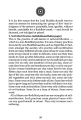
Understanding Self-Mortification in Buddhism
It is for this reason that the Lord Buddha should want to start his sermon by instructing the ‘group of five’ that indulgence of the senses is unsuitable, base, ignoble, without benefit, unsuitable fo
In this text, Lord Buddha teaches that indulgence of the senses is unsuitable for a Buddhist monk and should be avoided. The practice of self-mortification, common among non-Buddhist ascetics, include
237
Exploring Concepts of Buddhist Mythology
Asaññisatta (P. realm of non-per- ayatana nibbāṇa q.v. (lit. the recipient beings: see form Brahmā sphere of Nirvana realms) āsavakkhayañāṇa (see knowledge of an end of defilements) ayatana (lit. sphe
This text delves into intricate Buddhist concepts such as Asaññisatta, the realm of non-perception, and its relation to Nibbāṇa, highlighting essential terms like bhāvanā (development), and defilement
30
Untitled
28 : Universal Goodness
Without bearing in mind the true purposes of one's clothing,
one tends to buy clothing articles on impulse and without thought.
One tends to follow the latest fashion trends i
No summary can be generated due to lack of content.
22
Understanding the Five Types of Mara
Suzanne Jeffrey
"The second type is called Kanta Mara and that is about the human body. Our present biology says that man is body, but in higher biology, man is composed of the human body and the min
In this excerpt, Suzanne Jeffrey elaborates on the concept of Mara, describing five distinct types: Kanta Mara (the body and mind functions), Gamma (action from karma), Deity (false gods), Matuman (fe
15
Self-Training and Endurance in Family Life
Those who have full knowledge, ability and goodness
must follow only this path in order to train themselves to keep
up with the world and its people, and not surrender to
defilements.
Surely, if you f
This text emphasizes the significance of self-training and self-control in leading a fulfilling life. By acknowledging the need to change negative habits, individuals can foster a healthier family env
25
The Four Problems in Marriage
Part One: Family Life
These are: Truthfulness (Sacca), Self-Control (Dama),
Endurance (Khanti), and Sacrifice (Caga). When lacking in
any of these principles, conflict or discord will arise in any
hum
Part One: Family Life highlights four essential principles for maintaining healthy relationships: Truthfulness (Sacca), Self-Control (Dama), Endurance (Khanti), and Sacrifice (Caga). Conflict within f
184
Glossary of Key Concepts in Buddhist Philosophy
Part Seven: Appendixes
Glossary
Anattata: Non-self; nothing in the world has implicit
identity
"There is nothing out there, not even our bodies, which
we can control. Thus, it is not distinctly ours.
This glossary provides definitions for key Buddhist concepts such as Anattata (non-self), Aniccata (impermanence), and Bhavana (meditation). It emphasizes the understanding that nothing possesses a pe
78
The Teachings of the Buddha
The Teachings of the Buddha
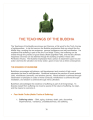
The Teachings of the Buddha are known as Dhamma, a Pali word for the Truth, the law of righteousness. In his first sermon the Buddha emphasized that one should live the Mi
The Teachings of the Buddha, known as Dhamma, emphasize the Middle Way, avoiding extremes of indulgence and self-mortification. Central to Buddha's teachings are the Four Noble Truths, which acknowled
40
The Futility of Self-Mortification
Commentorial Metaphors: Self-mortification:
1. Sugar-cane juice and poison: It can be compared to a mixture of sugar-cane juice and poison. In the end such practices will lead to death, and all for no
This text presents a series of metaphors illustrating the perils of self-mortification. Comparing self-harm to poison, stale excrement, and dangerous leaps, it highlights the futility of such practice
141
Understanding Impermanence, Suffering, and Not-Self
Impermanence [aniccān]: This is the built-in character of objects that are of a nature to change the whole of the time. Such things as the Five Aggregates of the Human Body are changing the whole of t
This text delves into the fundamental Buddhist concepts of impermanence (aniccān), suffering (dukkham), and not-self (anattā) as expressed through the Five Aggregates of the Human Body. It highlights
90
Meditation Benefits
86 MEDITATION BENEFITS
MEDIATION BENEFITS
Meditation has been linked to a variety of health benefits. A review of scientific studies
identified favorable outcomes of meditation which include: relaxa
Meditation is associated with various health benefits such as relaxation, concentration, and increased awareness. Scientific studies reveal its positive impact on metabolism, heart rate, and brain act
15
Understanding Boon and Kilesa in Meditation
Suzanne Jeffrey
concentrate on the inside, or inside our center, it is impossible for kilesa to exist. Whenever you are angry, your mind goes outside. It is easy to get hooked, easy to be angry. The
…ng Por explains how the mind often drifts outside our center, leading to anger and distraction from self-awareness. By focusing inward and engaging in good actions, or boon, one can create pure energy that counters…
23
Self-Reflection and Dhamma Contemplation for Personal Growth
1. EXAMINE YOURSELF
Before bedtime each night, take a few minutes to meditate upon your day.
Reflect on everything you have done throughout the day, from the time you wake up, to the time you go
…tance of contemplating difficult situations through the lens of Dhamma, encouraging mindfulness and self-awareness to avoid being swayed by negative influences. The teachings stress that time is fleeting and prompt…