

self-liberation : ค้นหาหนังสือธรรมะ หน้า 16 / 37
หน้าหนังสือทั้งหมด

126
การเข้าใจความไม่เที่ยง
Pim :
Tom:
Pim :
Tom:
Pim :
Tom :
Pim :
Tom:
Pim :
impermanence.
You haven't yet explained the other two.
Do you agree to the concept of impermanence?
Sure. Nothing will last forever.
All right. In th
Pim : Tom: Pim : Tom: Pim : Tom : Pim : Tom: Pim : impermanence. You haven't yet explained the other two. Do you agree to the concept of impermanence? Sure. Nothing will last forever. All right. In th

105
การฝึกสมาธิและการค้นหาตนเอง
ถึง...คุณแม่ที่เคารพยิ่ง
คุณแม่เป็นอย่างไรบ้าง คงจะสบายดีนะคะ ลูกสบายดี
ตอนนี้ที่นี่ฝนตกเป็นบางวัน และมักจะตกในตอนกลางคืน ก็
ดีเหมือนกันนะคะ ทำให้อากาศดีขึ้น ตอนนี้ลูกนั่งสมาธิ ๓ รอบ
เช่นเดิม เวลานั่ง
ถึง...คุณแม่ที่เคารพยิ่ง คุณแม่เป็นอย่างไรบ้าง คงจะสบายดีนะคะ ลูกสบายดี ตอนนี้ที่นี่ฝนตกเป็นบางวัน และมักจะตกในตอนกลางคืน ก็ ดีเหมือนกันนะคะ ทำให้อากาศดีขึ้น ตอนนี้ลูกนั่งสมาธิ ๓ รอบ เช่นเดิม เวลานั่ง

24
การรับประทานอาหารและการฟังธรรม
Breakfast
At 07.15, breakfast is served. Mentors prepare
breakfast for the priest instructors and Yuwakalayanamitra.
Yuwakalayanamitra give breakfast to the instructors who lead
worship of rice ritual
Breakfast At 07.15, breakfast is served. Mentors prepare breakfast for the priest instructors and Yuwakalayanamitra. Yuwakalayanamitra give breakfast to the instructors who lead worship of rice ritual

27
การปฏิบัติธรรม
ปฏิบัติธรรม
หลังจากรับบุญและได้พักผ่อนกัน
พอสมควร เวลา ๑๓.๓๐ น. น้องยุวกัลยาณมิตร
พร้อมกันที่ห้องปฏิบัติธรรม จะมีการแนะนำตัว
พระอาจารย์เลาธรรมะและนำปฏิบัติธรรม
รวมเวลาประมาณ ๑ ชั่วโมง
MEDITATION HOME
ปฏิบัติธรรม หลังจากรับบุญและได้พักผ่อนกัน พอสมควร เวลา ๑๓.๓๐ น. น้องยุวกัลยาณมิตร พร้อมกันที่ห้องปฏิบัติธรรม จะมีการแนะนำตัว พระอาจารย์เลาธรรมะและนำปฏิบัติธรรม รวมเวลาประมาณ ๑ ชั่วโมง MEDITATION HOME

35
MEDITATION HOME — YUWA CAMP หน้า 35
MEDITATION HOME
A friend is a gift you give your self.
เพื่อนคือของขวัญที่คุณมอบให้ตัวเอง
MEDITATION HOME
A friend is a gift you give your self.
เพื่อนคือของขวัญที่คุณมอบให้ตัวเอง

55
ข้อความจากสมาชิกบ้าน
Message from house members
Yuwakalayanamitra club members
I can meditate for longer hours at YUWA
CAMP than at my house. Anyone who is the only
child can also get friends, brothers and sisters
here. M
Message from house members Yuwakalayanamitra club members I can meditate for longer hours at YUWA CAMP than at my house. Anyone who is the only child can also get friends, brothers and sisters here. M

11
ความเหนื่อยหน่ายในครอบครัว
of warning that person, tired of teaching that person, or tired
of advising that person, it will manifest into a family in which
each family member lives on their own in the same house.
There will not
of warning that person, tired of teaching that person, or tired of advising that person, it will manifest into a family in which each family member lives on their own in the same house. There will not

12
ธรรมะสำหรับครอบครัวที่มั่นคง
Although the solution is not simple, that does not mean
there is no path to correct and prevent them from occurring. If
each person realizes what the heart of the family is and
everyone takes the best
Although the solution is not simple, that does not mean there is no path to correct and prevent them from occurring. If each person realizes what the heart of the family is and everyone takes the best

22
การจัดการอารมณ์ในครอบครัว
clash with each other, or for them not to clash with their in-
laws. No matter what, there is always a chance that this can
happen.
The major concern is that, if the couple didn't learn how
to regulat
The major concern is that, if the couple didn't learn how to regulate their emotions before their marriage, they would not be able to handle their disagreements in a positive manner, causing everyone

34
หลักการของความไม่เที่ยง
When we receive fortune, prestige, recognition or happiness,
our minds will remain calm, not overwhelmed or attached.
A person who is aware of suffering and happiness has
trained the mind to be as sta
When we receive fortune, prestige, recognition or happiness, our minds will remain calm, not overwhelmed or attached. A person who is aware of suffering and happiness has trained the mind to be as sta

96
Children Who Are Addicted to Apāyamukha
Chapter 20
Children Who Are Addicted to Apāyamukha
(the Roads to Ruin)
Their love for their children makes parents work hard to
earn money, so that they can provide comforts like an
education, toys, a
Their love for their children makes parents work hard to earn money, so that they can provide comforts like an education, toys, and clothes for their children, and also so that their children will not

121
คุณธรรมสำหรับฆราวาส
2. Self-improvement (Dama)
"The second virtue is to always improve oneself. I kept
improving myself professionally. From an ignorant person, I
kept advancing myself until I was able to be a good provi
2. Self-improvement (Dama) "The second virtue is to always improve oneself. I kept improving myself professionally. From an ignorant person, I kept advancing myself until I was able to be a good provi

126
การทำความดีจะนำมาซึ่งผลดีเสมอหรือไม่?
banana blossoms to eat with condiments. And yet we still
have to wait a full year for the fruit.
"The first stage of good deeds: Once we have done
something good, no matter if anybody sees it or not,
banana blossoms to eat with condiments. And yet we still have to wait a full year for the fruit. "The first stage of good deeds: Once we have done something good, no matter if anybody sees it or not,

195
การวิเคราะห์ข่าวเกี่ยวกับพระสงฆ์
Characteristics (tilakkhana), consisting of impermanence
(aniccata), suffering (dukkhata), and non-self (anattata). This
truth stands behind all living beings in this world.
The truths of the Law of K
Characteristics (tilakkhana), consisting of impermanence (aniccata), suffering (dukkhata), and non-self (anattata). This truth stands behind all living beings in this world. The truths of the Law of K
22
Giver of Human Form
Giver of Human Form
In order for a human being to be born, it requires the
interaction between the father and mother. An astral
body enters the father and stimulates a desire for
contact and intimacy
การเกิดของมนุษย์เริ่มต้นจากความสัมพันธ์ระหว่างพ่อและแม่ โดยมีร่างอัสตัลเข้าไปในตัวพ่อ กระตุ้นความปรารถนาในการติดต่อกับแม่ หลังจากที่เกิดมา ความรักระหว่างแม่และลูกก็เกิดขึ้น พ่อแม่มอบของขวัญที่ยอดเยี่ย
34
The Universal Love of the Lord Buddha
personal interest. It is the kind of love that the Lord
Buddha had after his enlightenment. Although he had
accompanied Princess Bimba for many lifetimes to
pursue Perfections, he could finally make a
The text reflects on the profound love exemplified by the Lord Buddha following his enlightenment. He released personal affections to pursue spiritual ordination and achieved enlightenment, marking th
47
The Transformative Power of Meditation
ERVICE
S
Sometimes, after offering food to monks, I did not
pour ceremonial water immediately but had some
drinks first. Apart from being an alcoholic, I was also
a lottery addict. Every fortnight, I
This narrative describes the author's tumultuous past marked by alcoholism, anger, and violence towards loved ones. Their life transforms after attending the Panawat Meditation Park in 2003, where the
52
Glossary of Key Buddhist Terms
1. Arahant
Glossary
An enlightened being who is free from defilements
and no longer subjected to rebirths or has attained
Nibbana.
2. Bodhisatta
One who determines to be a Buddha in the future.
3. Dha
This glossary provides definitions of key terms in Buddhism, including Arahant, an enlightened being who has attained Nibbana, Bodhisatta, a future Buddha, and Dhamma, referring both to ultimate truth
16
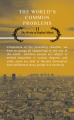
The World's Common Problems: The World of Defiled Minds
THE WORLD'S
COMMON
PROBLEMS
II
The World of Defiled Minds
Irrespective of the prevailing situation, we
have to accept all happenings as the way of
the world. Common people are subject to
mental impuri
In 'The World of Defiled Minds', the text discusses the prevalence of mental impurities among common people. It acknowledges that while some individuals manage to free themselves from these defilement
157
The Journey to Attainment
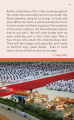
Before attainment, life is like running against
the wind with a burning torch in our hand. The
flame blowing towards us brings us heat and
pain. When we reach a pond and dip the torch
into the water,
Before reaching the state of Dhammakaya, life resembles a struggle against the elements with a burning torch, symbolizing suffering and challenges. Upon attainment, represented by dipping the torch in