

BEE : ค้นหาหนังสือธรรมะ หน้า 37 / 58
หน้าหนังสือทั้งหมด
40
Understanding Dhammakāya in Aṅgāṇā-sutta
…nature, for they (the Tathāgatas) have the dhamma as body. In other words, they have become or have been born through the ninefold transcendent dhamma, or they have attained the dhamma.
The term dhammakāya is interpreted in contemporary academia as both a noun and an adjective. As a noun, it denotes the Buddha’s teachings, while as an adjective, it refers to the nature of the Tathāga
63
Understanding Paccekabuddhas in Buddhist Philosophy
…Some scholars argue that the concept of a Paccekabuddha is originally non-Buddhist, and that it has been included into Buddhist texts later. A reason given is that the references to Paccekabuddhas are fo…
This text discusses the concept of Paccekabuddhas, individuals of high wisdom who achieve self-enlightenment but lack the ability to teach. It explores scholarly arguments about the pre-Buddhist origi
70
The Essence of Dhamma-Milk in Spiritual Growth
… the realisation of truths, as
mentioned in the previous verse.
In verse 33, Gotami is said to have been fed on the ‘dhamma-milk.’105 Because it is fed to her by the Buddha, it sounds likely that such ‘m…
The concept of dhamma-milk represents spiritual nourishment derived from the Buddha's teachings, leading to inner peace and realization of truths. Gotami's declaration signifies the transition from ph
73
Supramundane Paths and Fruits in Dhammakāya
…uits as well as Nibbāna can be identified with dhammakāya. Gotami’s speech, that her dhammakāya has been ‘brought up’ (saṃva-ddhita), indicates the development of her dhammakāya from an initial state as …
The text discusses the different transcendental levels of dhammakāya, highlighting the distinction between trainees and non-trainees. The first seven levels correspond to qualities of trainees, wherea
79
Understanding Dhammakāya: A Noble Identity
…om which the Buddha's teachings originate, rather than being a 'collection of his teachings' as has been previously claimed.
**Appendix:** *Theravādin Views on the Term* *Dhammakāya*
Traditional wri…
The term Dhammakāya refers to the new identity of a noble person following transubstantiation, highlighting different levels of realization. It embodies the reality spiritually identified with the Bud
88
Overview of Theravāda Buddhist Manuscripts in China
I will give a brief overview of the manuscripts that have been
discovered and catalogued, an explanation of some current research
projects, and I will discuss so…
This document provides an overview of Theravāda Buddhist manuscripts found in China, particularly in Yunnan Province. It discusses the significance of these manuscripts within the Dai community and hi
90
Buddhist Manuscripts from Sipsong Panna Region
… ethnic and regional characteristics of the Dai. Category Four includes secular literature that has been given a Buddhist structure such as Songpaxue (松雪), an anthology of folk proverbs and mottos, and H…
Buddhist manuscripts from the Sipsong Panna region are categorized into four main groups: the Dai Pāli Tripiṭaka and Tripiṭaka commentary, frequently used Pāli Canon texts, Theravāda Buddhist literatu
96
The Imminent Extinction of Palm-Leaf Manuscripts in Sipsong Panna
… in the Scripture Cabinet behind the Buddha’s Statue in the Main Hall and the other manuscripts had been lost. According to the abbot, Menghai has an altitude of over 1,400 metres above sea level and a r…
This text discusses the worrying decline of palm-leaf manuscripts in Sipsong Panna, where Buddhist manuscript culture is rich but facing imminent extinction. Key reasons include the autonomous nature
97
Preservation of Palm-Leaf Scriptures in Dai Buddhism
…e to read and write the ancient Dai Dhamma script or
the Pāli language. The traditional script has been replaced by the
New Dai script developed since the 1950s which currently is part
of the bilingua…
This text discusses the decline in donations of traditional palm-leaf scriptures in favor of more accessible and readable texts printed on Chinese and sa-paper. Reasons include cost, legibility, and t
98
Preserving Palm-Leaf Manuscripts in Southwestern China
…na, and are of great importance for the study of ancient Buddhism in the region. However, there has been little research into this field until recently. The publication in 2010 of The Complete Collection…
In Southwestern China, palm-leaf and sa-paper manuscripts are crucial for studying ancient Buddhism, showcasing the influence of Theravāda Buddhism. The recent collection efforts by the local governme
124
Meditation Practices Introduced by An Shigao in Eastern Han China
…bout meditation. The kind of meditation that was popular during the second century CE seems to have been "breathing meditation." Many of An Shigao's translations were about the "counting in breath" medit…
An Shigao, notable for his translations, played a key role in introducing meditation practices to Eastern Han China (25-220 CE). The prevalent form during this period was breathing meditation, particu
129
Exploring the Center of the Body in Meditation
…asserted as the Middle Way51 (Pali: majjhima paṭipadā; Sanskrit: madhyamā-pratipad). This point has been identified by PhraMongkolthepmuni as the deepest end of the breath in the breathing meditation (ān…
This text examines the phrase 'the mind should be located at the center of the body while breathing in and out.' It references the teachings of PhraMongkolthepmuni regarding the center's location abov
132
Daoist Meditation in the Eastern Han Period
…period
When An Shigao arrived in China around 148 CE, very few if any Buddhist meditation texts had been translated into Chinese.60 However the Chinese people were already familiar with the meditation pr…
In the Eastern Han period around 148 CE, Daoist meditation practices already existed, with references found in ancient texts like the Tao Te Ching. Practitioners sought immortality through various tec
22
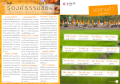
รัชดร์ธรรมชัย ปี 2: อาสาสมัครธรรมะ ยุค 4.0
…ิตติ ศรีสมบัติ
"กัน แตก ด้วย" "ออน ซอ คัต" "ปลุก โปธร ปลิ้ม" "วัง ร้อย เมตร"
น้องปอ ยิ้มน่ารัก Beerio Tce
"เย็น เอียง ปลิ้ม" "ป้าย แล้ว หรอ" "สาว 6 รวย" "ทุ่มสุด ใจ"
ในปีที่ 2 ของรัชดร์ธรรมชัย อาสาสมัครธรรมะยุค 4.0 ได้รับการสนับสนุนและดึงดูดจากครูบาอาจารย์ที่มีความเมตตาและความมุ่งมั่นในการปฏิบัติธรรม และได้เข้ามาเป็นส่วนหนึ่งในสายธรรมะซึ่งสร้างความสุขให้กับทุกคน ค
144
ความแตกต่างของกิ้าธในความรู้
…อยู่
(Note: Some parts at the bottom are handwritten and not entirely clear, but the main text has been transcribed as accurately as possible.)
เนื้อหานี้พูดถึงความแตกต่างของกิ้าธโดยเปรียบเทียบระหว่างผู้รู้และผู้ไม่รู้ โดยผู้รู้จะมีความสุขและความสบายใจ ขณะที่ผู้ไม่รู้มีความทุกข์ทรมานและปัญหาในชีวิต การศึกษากิ้าธของผู้รู้จะช่วยให้เราเข้าถึงระด
8
กรรมและผลของกรรมในชีวิต
…จริง.....ทำไมจึงไม่ต้องได้ไม่ดีเสมอ ไม่มีวันด้วยเหตุผลใดทั้งสิ้น
ธรรมะภาษอังกฤษ 3 : Kamma that has been done gives result exact to its cause
Where there is cause, there is effect. Person who does the k…
บทความนี้พูดถึงความสัมพันธ์ระหว่างกรรมและผลของกรรม โดยเน้นว่าทุกการกระทำจะมีผลตามมาที่แน่นอน ไม่ว่าจะเป็นผลดีจากกรรมดี หรือผลร้ายจากกรรมชั่ว การเข้าใจเกี่ยวกับกรรมช่วยให้บุคคลมีความคิดที่ถูกต้องต่อชีว
20
ผลของกรรมดีในชีวิตปัจจุบัน
…her in the past lives are persons of noble birth who are treated and respected honourably and never been looked down upon in present existence.
Those who took good care of others and animals' lives in t…
บทความนี้กล่าวถึงความสัมพันธ์ระหว่างอดีตชาติและปัจจุบัน โดยชี้ให้เห็นว่าผู้ที่มีความเมตตาและช่วยเหลือผู้อื่นในชีวิตก่อนหน้าจะมีชีวิตที่ดีในปัจจุบันและมีสุขภาพที่แข็งแรง ผู้ที่เคยรักษาศีลและปฏิบัติธรรม
32
การสร้างความดีที่วัดพระธรรมกาย
…เต็มที่ คุณยายุอาจารย์มหารัตนอุบาสิกาจันทร์ ขนุนยูง ผู้ให้กำเนิดวัดพระธรรมกาย"
(Note: The text has been transcribed based on legibility; some parts may be approximate due to the image quality.)
เมื่อเข้าวัด พระธรรมกาย เป็นจุดมุ่งหมายหลักในการสร้างความดี ทำบุญและเอนบูชาต่ออาจารย์ มุ่งให้เกิดคุณประโยชน์แก่ตนเองและผู้อื่น การเข้าวัดคือการสละเวลาและโอกาส เพื่อสะสมบุญกุศลอย่างเต็มที่ โดยเฉพาะจากก
6
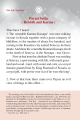
Payasi Sutta: Rebirth and Karma
…ra means a boy of good family, a young gentleman, a master; and Kassapa, the son of a clansman, had been brought up at Pasenadi's court.
² See Vol. I, p. 108, note 1
The Payasi Sutta recounts the teachings of venerable Kumara Kassapa during his time in Setavya. It narrates the challenges faced by Payasi, a chieftain in this city, as he grapples with misconceptions
8
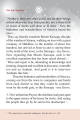
Master Kassapa's Arrival in Setavya
…e Simspa - tree Grove. Now regarding that Master Kassapa, such is the excellent reputation that has been raised abroad :-' Wise and expert is he, abounding in knowledge and learning, eloquent and excelle…
ในขณะที่ Master Kassapa, ศิษย์ของ Wanderer Gotama อยู่ที่ Setavya พร้อมด้วย bhikkhus ประมาณห้าร้อยคน ชาวบ้านและบราแมนได้ยินชื่อเสียงของเขาและออกมาสัมภาษณ์เขา พวกเขาเชื่อว่า Arahants อย่างเขานั้นดีในกา