

Greco-Buddhism : ค้นหาหนังสือธรรมะ หน้า 37 / 44
หน้าหนังสือทั้งหมด
25
พระพุทธศาสนมหายาน: ความหลากหลายในการสอนของพระพุทธเจ้า (2)
พระพุทธศาสนมหายาน: เหตุใดคำตอนของพระพุทธเจ้าจึงมีความหลากหลาย (2)
Mahāyāna Buddhism: Reasons for Diversity in the Buddha's Teachings (2)
ในจักรวาล27 มีพระพุทธเจ้าหลายพระองค์เช่นนั้นหรือ ?
นักศึกษา: ถ
ในบทสนทนานี้ เน้นถึงการศึกษาเกี่ยวกับคำสอนของพระพุทธศาสนามหายาน โดย เน้นถึงมุมมองที่ว่าการบรรลุธรรมเป็นพระพุทธเจ้านั้นไม่จำเป็นต้องมีวิธีการเฉพาะ การเดินตามรอยพระศากยมุนีและการศึกษาเกี่ยวกับประวัติของ
27
พระพุทธศาสนามหายาน: ความหลากหลายของคำสอนของพระพุทธเจ้า
พระพุทธศาสนามหายาน : เหตุใดคำอธของพระพุทธเจ้าจึงมีความหลากหลาย (2)
Mahāyāna Buddhism: Reasons for Diversity in the Buddha’s Teachings (2)
นักศึกษา : แม้กล่าวเช่นนี้ก็ตาม แต่พระศากยมนุษย์เริ่มต้นเป็
เนื้อหานี้มีการอภิปรายเกี่ยวกับการเริ่มต้นของพระศากยมนุษย์ในฐานะพระโพธิสัตว์และแนวทางการปฏิบัติที่ต้องผ่านเมื่อพระองค์อยู่ในอดีต โดยเน้นความสำคัญของการมีโอกาสพบพระพุทธเจ้าในอดีต และการเข้าใจแนวคิดเกี่
29
พระพุทธศาสนามหายาน: ความหลากหลายในการสอนของพระพุทธเจ้า
พระพุทธศาสนามหายาน: เหตุใดคำอธิษฐานของพระพุทธเจ้าจึงมีความหลากหลาย (2)
Mahayana Buddhism: Reasons for Diversity in the Buddha's Teachings (2) 203
พยายามต่อไป ซึ่งกล่าวรับรองนี้ เรียกว่า "พุ
บทความนี้พูดถึงความหลากหลายของคำอธิษฐานในพระพุทธศาสนามหายาน เช่น พุทธพยากรณ์ที่เปลี่ยนพระศากยมุนีให้เป็นพระโพธิสัตว์ นอกจากนี้มีการยกตัวอย่างพระพุทธเจ้าพระนามว่า 'ที่ปิ้ง' ที่ได้แสดงคำพยากรณ์เกี่ยวกับ
31
พระพุทธศาสนมหายาน: ความหลากหลายของคำสอน
พระพุทธศาสนมหายาน: เหตุใดคำสอนของพระพุทธเจ้าจึงมีความหลากหลาย (2)
Mahāyana Buddhism: Reasons for Diversity in the Buddha's Teachings (2) 205
คำนี้ถึงวิธีการเพื่อให้ได้พบพระพุทธเจ้าที่ไม่อาจได้พบ
นั
เนื้อหานี้พูดถึงความหลากหลายของคำสอนในพระพุทธศาสนามหายานและวิธีที่ผู้คนสามารถเป็นพระพุทธเจ้าได้ แม้ว่าจะยังคงอยู่ในสัญญัติผู้ครองเรือน ผ่านการตั้งความปรารถนาและการปฏิบัติที่เหมาะสม ทั้งนี้มีการอ้างอิง
35
พระพุทธศาสนามหายาน: เหตุผลคำอธิบายของพระพุทธเจ้าแห่งความหลากหลาย (2)
พระพุทธศาสนามหายาน: เหตุผลคำอธิบายของพระพุทธเจ้าแห่งความหลากหลาย (2) Mahayana Buddhism: Reasons for Diversity in the Buddha's Teachings (2) 209
นักศึกษา: ตกลงหมายความว่ายังไงครับ ?
อาจารย์: เป็นเพรา
ในเนื้อหานี้มีการพูดคุยกันระหว่างนักศึกษาและอาจารย์เกี่ยวกับพระพุทธศาสนามหายาน โดยอาจารย์กล่าวถึงกุลคุลกรรมในชีวิตประจำวันเป็นพลังที่นำไปสู่การบรรลุเป็นพระพุทธเจ้า และการสักการะบูชาพระพุทธเจ้า ในการสอ
37
พระพุทธศาสนามหายาน: เหตุใดคำสอนของพระพุทธเจ้าจึงมีความหลากหลาย (2)
พระพุทธศาสนามหายาน : เหตุใดคำสอนของพระพุทธเจ้าจึงมีความหลากหลาย (2)
Mahāyāna Buddhism: Reasons for Diversity in the Buddha's Teachings (2)
บรรฑานุกรม
• ภาษาต่างประเทศ
1. หนังสือ
Sasaki, Shizuka (佐々木
เรื่องราวในพระพุทธศาสนามหายานซึ่งสำรวจถึงเหตุผลที่ทำให้คำสอนของพระพุทธเจ้ามีความหลากหลายและการเปลี่ยนแปลงในทางปฏิบัติ ซึ่งบทความนี้อ้างอิงการศึกษาและความคิดเห็นจาก Shizuka Sasaki ผู้เขียนหนังสือเกี่ยว
1
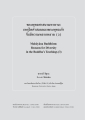
พระพุทธศาสนามหายาน: เหตุใดคำสอนของพระพุทธเจ้าจึงมีความหลากหลาย
พระพุทธศาสนามหายาน: เหตุใดคำสอนของพระพุทธเจ้าจึงมีความหลากหลาย (3)
Mahāyāna Buddhism:
Reasons for Diversity
in the Buddha’s Teachings (3)
ชาซากิ ชิซุกะ
SASAKI Shizuka
มหาวิทยาลัยฮานโซนะ (花園大学) เกีย
บทความนี้สำรวจความหลากหลายของคำสอนในพระพุทธศาสนามหายานและเหตุผลเบื้องหลังการพัฒนาที่เกิดขึ้น โดยมีการระบุสาเหตุหลายประการที่ส่งผลกระทบต่อคำสอนจากการตีความและวัฒนธรรมที่แตกต่างกันในภูมิภาคต่างๆ บทความน
3
พระพุทธศาสนามหายาน: เหตุใดคำอธิบายของพระพุทธเจ้าจึงมีความหลากหลาย
พระพุทธศาสนามหายาน: เหตุใดคำอธิบายของพระพุทธเจ้าจึงมีความหลากหลาย (3)
Mahāyāna Buddhism: Reasons for Diversity in the Buddha’s Teachings (3)
217
ดังจะเห็นได้ว่า "ปรัชญาปรามิตาสูตร" ได้รับวิธีการเพื่อ
บทความเกี่ยวกับพระพุทธศาสนามหายานและวิธีการที่จะบรรลุธรรมจากการออกบวชและเจริญสมาธิถึงการสังสมคุณธรรมในชีวิตประจำวัน ซึ่งแสดงถึงความแตกต่างจากคำสอนของพระศากยะนีพิทักษ์เจ้า รายละเอียดเพิ่มเติมสามารถดูได
9
พระพุทธศาสนามหายาน : เหตุใดคำคำของพระพุทธเจ้า จึงมีความหลากหลาย (3)
พระพุทธศาสนามหายาน : เหตุใดคำคำของพระพุทธเจ้า จึงมีความหลากหลาย (3)
Mahāyāna Buddhism: Reasons for Diversity in the Buddha's Teachings (3)
ต้นตะ และพระสูตรที่ถือได้ว่ายาวที่สุดในกลุ่มคัมภีร์ปรัชญ
ในพระพุทธศาสนามหายาน มีการพูดถึงความหลากหลายของคำสอนในพระสูตร โดยเฉพาะพระสูตรที่มีชื่อว่า 'มหาปรัชญาปทมสูตร' ซึ่งมีความยาวและเนื้อหาที่แตกต่างกัน แต่ยังคงมีสาระสำคัญที่เหมือนกัน การสำรวจพระสูตรเหล่านี
11
พระพุทธศาสนามหายาน: เหตุใดคำสอนของพระพุทธเจ้าจึงมีความหลากหลาย (3)
พระพุทธศาสนามหายาน: เหตุใดคำสอนของพระพุทธเจ้าจึงมีความหลากหลาย (3)
Mahāyāna Buddhism: Reasons for Diversity in the Buddha's Teachings (3)
นิยายเชน (โซโตชู 15 รินไซชู 16 อิเป็นกุ 17 เป็นต้น) และนิยายใ
บทความนี้สำรวจความหลากหลายของคำสอนในพระพุทธศาสนามหายาน โดยเน้นไปที่นิกายต่างๆ เช่น เชน ยิ่งไปกว่านั้นยังลงลึกในสาเหตุที่ทำให้เกิดความแตกต่างในคำสอนของพระพุทธเจ้า ตั้งแต่การเผยแพร่ของนิกายต่างๆ จนถึงอิ
13
พระพุทธศาสนามายาวนาน:เหตุใดคำสอนของพระพุทธเจ้าจึงมีความหลากหลาย (3)
พระพุทธศาสนามายาวนาน:เหตุใดคำสอนของพระพุทธเจ้าจึงมีความหลากหลาย (3)
Mahāyāna Buddhism: Reasons for Diversity in the Buddha’s Teachings (3)
227
โพสิสัตว์ ซึ่งใน "ปฐษฎาปรามิตสูตร" ได้กล่าวไว้ว่า "พวกเร
บทสนทนาระหว่างนักศึกษาและอาจารย์เกี่ยวกับแนวคิดใน 'ปฐษฎาปรามิตสูตร' ว่าด้วยการพบพระพุทธเจ้าในอดีต และวิธีการพิสูจน์ประสบการณ์นี้ผ่านการสวดมนต์ โดยนักศึกษาแสดงความสงสัยเกี่ยวกับการระลึกชาติ ในขณะที่อาจ
15
พระพุทธศาสนามหายาน: ความหลากหลายของคำสอน
พระพุทธศาสนามหายาน : เหตุใดคำสอนของพระพุทธเจ้าจึงมีความหลากหลาย (3)
Mahāyāna Buddhism: Reasons for Diversity in the Buddha’s Teachings (3)
229
แตกต่างกันอย่างเห็นได้ชัด ซึ่งแต่เดิม การส่งสมุฏกุศลกรรม
บทความนี้กล่าวถึงความหลากหลายของคำสอนในพระพุทธศาสนามหายาน รวมถึงการเปลี่ยนแปลงแนวทางการบรรลุธรรมจากการบวชและปฏิบัติธรรมสู่การส่งสมุฏกุศลกรรมในชีวิตประจำวัน การสำรวจความเชื่อมโยงระหว่างกุศลกรรมและการบร
17
พระพุทธศาสนามหายาน: เหตุใดคำสอนของพระพุทธเจ้าจึงมีความหลากหลาย (3)
Mahâyâna Buddhism: Reasons for Diversity in the Buddha’s Teachings (3)
19
พระพุทธศาสนามหายาน: ความหลากหลายของคำสอน
พระพุทธศาสนามหายาน : เหตุใดคำสอนของพระพุทธเจ้าจึงมีความหลากหลาย (3)
Mahāyāna Buddhism: Reasons for Diversity in the Buddha’s Teachings (3)
หน้า 233
ใจเล็ก ๆ แล้วก็จะมีความคิดว่า “อยากได้รับคำชมจากใคร
ในพระพุทธศาสนามหายาน การเข้าใจคำสอนที่หลากหลายเป็นสิ่งสำคัญ โดยเฉพาะเรื่องกรรมและการทำความดี การที่เราทำความดีเพื่อผู้อื่นหรือต้องการการยอมรับถือเป็นประเด็นที่เชื่อมโยงกับกรรม อาจารย์กล่าวว่าไม่เพียงแ
21
พระพุทธศาสนามหายาน: เหตุใดคำสอนของพระพุทธเจ้าจึงมีความหลากหลาย
พระพุทธศาสนามหายาน: เหตุใดคำสอนของพระพุทธเจ้าจึงมีความหลากหลาย (3)
Mahāyāna Buddhism: Reasons for Diversity in the Buddha's Teachings (3)
235
บรรณานุกรม
• ภาษาต่างประเทศ
1) หนังสือ
SASAKI, Shizuka
ในการศึกษานี้ เราจะสำรวจว่าเหตุใดคำสอนของพระพุทธเจ้าจึงมีความหลากหลายในพระพุทธศาสนามหายาน โดยเฉพาะในแง่ของการตีความและการปฏิบัติที่ต่างกันในแต่ละวัฒนธรรมและยุคสมัย ข้อมูลนี้จะช่วยให้ผู้อ่านเข้าใจถึงวิ
1
พระพุทธศาสนมหายาน: เหตุตำคำสอนของพระพุทธเจ้า
พระพุทธศาสนมหายาน:
เหตุตำคำสอนของพระพุทธเจ้า
จึงมีความหลากหลาย (4)
Mahāyāna Buddhism:
Reasons for Diversity
in the Buddha’s Teachings (4)
ซาซากิ ชิซูกะ
SASAKI Shizuka
มหาวิทยาลัยโยะนโอะะ (花園大学) เกีย
บทความนี้มีการวิเคราะห์เหตุผลที่ทำให้คำสอนของพระพุทธเจ้าในพระพุทธศาสนามหายานมีความหลากหลาย เริ่มต้นจากมุมมองของผู้เขียน ซาซากิ ชิซูกะ จากมหาวิทยาลัยโยะนโอะะ ประเทศญี่ปุ่น ซึ่งนำเสนอภายใต้เส้นทางการพัฒ
3
พระพุทธศาสนาเป็นมหายาน: ความหลากหลายของคำสอน
พระพุทธศาสนาเป็นมหายาน : เหตุใดคำสอนของพระพุทธเจ้าจึงมีความหลากหลาย (4)
Mahāyāna Buddhism: Reasons for Diversity in the Buddha’s Teachings (4)
201
คำสำคัญ: พระพุทธศาสนา มหายาน ปรัชญาปรมิตา สตูร ศูนยต
พระพุทธศาสนา มหายานมีความหลากหลายเนื่องจากการตีความคำสอนของพระพุทธเจ้าแตกต่างกันไปตามวัฒนธรรมและบริบททางสังคม ปรัชญาปรมิตาและศูนยตาเป็นสององค์ประกอบหลักที่ส่งผลต่อการเข้าใจและเผยแพร่คำสอนในรูปแบบที่หล
5
พระพุทธศาสนามหายาน: เหตุใดคำอธิบายของพระพุทธเจ้าจึงมีความหลากหลาย
พระพุทธศาสนามหายาน : เหตุใดคำอธิบายของพระพุทธเจ้าจึงมีความหลากหลาย (4)
Mahayána Buddhism: Reasons for Diversity in the Buddha’s Teachings (4)
บทที่ 2 การแผ่ขยายของแนวคิด “ศูนย์ตา” :
ปรัชญาปารมิตาสูตร
บทความนี้นำเสนอเกี่ยวกับแนวคิดความหลากหลายของคำอธิบายจากพระพุทธเจ้าในพระพุทธศาสนามหายาน โดยเฉพาะอย่างยิ่งเรื่อง “กรรม” และ “สังสารวัฏ” ที่ถูกนำมาอธิบายใหม่ใน “ปรัชญาปารมิตาสูตร” ตัวอย่างเช่น การใช้บัต
7
พระพุทธศาสนามายาน: ความหลากหลายของคำสอน
พระพุทธศาสนามายาน: เหตุใดคำอธิบายของพระพุทธเจ้าจึงมีความหลากหลาย (4)
Mahāyāna Buddhism: Reasons for Diversity in the Buddha's Teachings (4)
ใน “ปรัชญาปารมิตาภูตร” เรียกว่า “ศูนยตา” ผู้ที่ได้ศึกษาหลัก
การศึกษาเกี่ยวกับแนวคิดศูนยตาในพระพุทธศาสนามายานนี้ชี้ให้เห็นว่าสิ่งนี้ช่วยให้ผู้คนสามารถนำความดีในชีวิตไปสู่การบรรลุธรรมเป็นพระพุทธเจ้าได้ บทสนทนาระหว่างนักศึกษาและอาจารย์ได้ชี้ให้เห็นความแตกต่างของศ
11
ความหลากหลายของคำสอนในพระพุทธศาสนา
พระพุทธศาสนามายาว่า: เหตุใดคำสอนของพระพุทธเจ้าจึงมีความหลากหลาย (4)
Mahāyāna Buddhism: Reasons for Diversity in the Buddha's Teachings (4)
209
นักศึกษา : เป็นคำถามที่ค่อนข้างแปลนะครับ ก่อนอื่น
ในเนื้อหานี้มีการอภิปรายเกี่ยวกับความหลากหลายของคำสอนในพระพุทธศาสนา โดยนักศึกษาได้ใช้แนวคิดในการเปรียบเทียบ 'ลูกหิน' เป็นสัญลักษณ์ในการทำความเข้าใจสิ่งที่เกิดขึ้นในใจ อาจารย์อธิบายว่าความแตกต่างระหว่า