

Self-mortification : ค้นหาหนังสือธรรมะ หน้า 26 / 31
หน้าหนังสือทั้งหมด
101
การมีสติและความมุ่งมั่นในชีวิต
ให้เรามี สิ่งในใจ คือ ๑. ไม่ประมาท ม. มีความมุ่งมั่น ม.โมนิสฐานที่จะไปปราบปราม
มีอยู่ในใจตลอดเวลา มีความตั้งใจคบความไม่ประมาท ความขวนขวาย ความมุ่งมั่น
การฝึกฝนพัฒนาตัวของเรานั้นก็จะเกิดขึ้น เอาใจใ
บทความนี้เน้นความสำคัญของการมีสติและความมุ่งมั่นในการพัฒนาตนเอง โดยยกตัวอย่างถึงการเอาใจใส่ในสิ่งที่ทำ รวมทั้งการมุ่งมั่นปราบปรามมารในใจเพื่อให้มีสุขภาพจิตที่ดีและประสบความสำเร็จในชีวิต ความรักและความ
62
การฝึกใจหยุดนิ่งเพื่อความสงบ
การฝึกใจหยุดนิ่ง เป็นหน้าที่ยิ่งใหญ่
เพราะเกี่ยวข้องกับตัวเราเอง
เราจงต้องตระหนักเป็นข่าวเป็นทางของพุทธอาจอยู่
การฝันใจหยุดนิ่งเพื่อข้ามพ้นทะเลแห่งสัฏฐุ
ถ้าใจยังไม่หยุดนิ่ง ชีวิตยังไม่ปลอดภัย
ยังตกอยู
การฝึกใจหยุดนิ่งเป็นหน้าที่ที่สำคัญซึ่งเกี่ยวข้องกับตัวเราเอง เราต้องตระหนักว่าการหยุดนิ่งในใจช่วยให้เราข้ามพ้นจากทะเลแห่งสัฏฐุ หากใจยังไม่หยุดนิ่ง ชีวิตของเราก็ยังไม่ปลอดภัย เรายังอยู่ภายใต้กฎหมายแห่
149
The Benefits of Mindfulness Meditation
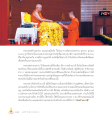
หลวงพ่อลสร้างลูกพระ ลูกเณรอยู่ในวัด ได้รมเงาบงามธรรมของท่าน ลูกพระ ลูกเณร
3,000 รูป ทั้งสาขาในประเทศ ต่างประเทศ เจ้าหน้าที่ยูลา อุบลสาร และเจ้าหน้าที่กว่ 6,000
ชีวิต ที่มาย้ำรวมกัน ภาพีปรากฎลำนี้ จึ
Mindfulness meditation offers numerous benefits for mental and emotional health, including reduced stress and anxiety, improved focus, and enhanced emotional regulation. Through consistent practice, i
286
The Art of Mindfulness
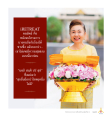
ิRETREAT
ผลลัพธ์ คือ
หลังจบโครงการ
บางคนถึงกับร้องไห้
ซาบซึ้ง แล้วบอกว่า...
เขาไม่เคยมีความสุขสงบ
แบบนี้มาก่อน
"นฤดล สนฺติ ปริ สุข"
ซึ่งแปลว่า
"สุขอันยิ่งกว่าใจหยุดนิ่งไม่มี"
This book delves into the practice of mindfulness, explaining its benefits on mental health and overall well-being. Mindfulness techniques are detailed to help individuals manage stress, improve focus
29
The Enlightenment of Koṇḍañña
his Enlightenment for the benefit of the ‘Group of Five’ — Enlightenment that is supreme in the human world, angel world, Māra-world, Brahmā-world, animal-world, world of monks, world of brahmins, wor
This text discusses the pivotal moment when Koṇḍañña achieved enlightenment after listening to the Buddha’s teachings, recognizing the nature of arising and cessation within himself. The earth-sprites
38
The Consequences of Attachment to Sense Pleasure
O! Monks! Some warriors go to the trouble to erect defences of brick and mortar to stop their enemies being able to climb over, they fill their arsenals full of weapons. However, if the enemy should p
This text discusses how attachment to sense pleasures leads to various forms of suffering and wrongdoing. It illustrates the consequences of indulgence, including violence and crime, and emphasizes th
68
Understanding the Body as a House
of the six senses¹ and the deterioration of the thirty-two parts of the body², causing the body to become shrivelled and unattractive.
In actual fact, this house that is our body, has craving [tanhā
This text offers a profound understanding of the human body as a metaphorical house constructed by craving. It illustrates how the various parts of the body represent different elements of a house, hi
101
Understanding Sensory Craving and Attachment
registration is implicated in the attachment we have to sensual pleasures. Again, each of the six senses has its own channel of sense-volition therefore there are a further six areas in which the prac
This text delves into the role of sensory experiences in fostering attachment to sensual pleasures, with a focus on the six senses: visual, auditory, olfactory, gustatory, tactile, and mental. Each se
109
Attaining the Angelic Body through the Middle Way
[vimuttīnādassana] will be attained. When the mind is brought to a standstill at the centre of the Sphere of the Seeing and Knowledge of Liberation the Angelic Body will be attained.
By now the sequen
The text discusses the attainment of the Angelic Body through a process of concentration and the sequential progression from the Coarse Human Body to various forms of Brahmā bodies, culminating in the
116
Understanding Nirvana: The Realm Beyond Existence
same happiness to us as if we were really in āyatanā nibbāna — but we are still ‘alive’ in our human body.
2. Nirvana without residual aggregates (Anupādisesa Nirvana [Nibbāna]) is the Nirvana that is
This text delves into the concepts of Āyatanā Nibbāna and Anupādisesa Nibbāna, explaining that Nirvana exists beyond the physical realm and is not bound by worldly elements. It describes Nirvana as a
123
Understanding Suffering and the Subtle Human Body
wealth. As the majority of sorts of suffering concerns material things, having attained the subtle human body, the mind, being unified with the subtle human body, is safely withdrawn beyond the reach
This text discusses why most people suffer due to attachment to their physical bodies and possessions, despite intellectually understanding Buddha's teachings on impermanence. The author emphasizes th
127
Understanding the Mind and Its Layers
are mindful that ‘the mind is distracted’. If the mind is con-
centrated, you are mindful that ‘the mind is concentrated’.
If the mind is liberated, you are mindful that ‘the mind is
liberated’. If
The text delves into the nature of the mind, describing its four concentric layers: perception, sensory registration, central processing, and cognition. It explains how mindfulness operates at each le
134
The Importance of Meditation in Buddhism
Meditation is the focussing of the mind on a single object and abiding in a single mood without distraction or restlessness, or being caught up in external influences on mood. Meditation is thus of gr
Meditation is central to Buddhist practice, allowing individuals to focus the mind on a single object, leading to the cultivation of virtues and deeper levels of awareness. The attainment of the five
136
Understanding the Inner Bodies on the Path to Enlightenment
them and go further through the centre until attaining the Body of Enlightenment — the most subtle of the inner bodies.
The inner bodies between the Paṭhama Magga Sphere and the Body of Enlightenment
This text delves into the various inner bodies that exist between the Paṭhama Magga Sphere and the Body of Enlightenment. These include the Subtle Human Body, Angelic Body, and several Brahma Bodies,
139
Understanding the Body of Enlightenment in Buddhism
hatred [dosa] and delusion [moha].
Having attained the Sakidägämi Body of Enlightenment,
the meditator uses this Body of Enlightenment to examine
the Four Noble Truths in the Brahmä Body both forwards
บทความนี้สำรวจระดับต่างๆ ของการตรัสรู้ในพุทธศาสนา โดยเน้นถึงการใช้ร่างกายของการตรัสรู้ เช่น Sakidägämi, Anägämi และ Arahant ซึ่งผู้ปฏิบัติธรรมจะสามารถปล่อยวางข้อผูกพันต่างๆ เพื่อเข้าถึงความรู้สูงและกา
147
The Eightfold Path: Knowledge and Conduct in Meditation
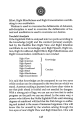
Effort, Right Mindfulness and Right Concentration contributing to our meditation.
Wisdom is used to overcome the defilements of delusion, self-discipline is used to overcome the defilements of hatred
This text discusses the importance of Right Mindfulness and Right Concentration in meditation, as components of the Noble Eightfold Path. The Eightfold Path is divided into two areas: knowledge (Right
153
Understanding Right View and Right Intention in Buddhism
[Image contains text and a circular symbol at the top]
4. The view that this world lacks reality or doesn’t exist;
5. The view that the afterworld lacks reality or doesn’t exist;
6. The view that
This text examines the principles of Right View and Right Intention in Buddhism. It highlights the dangers of False Views, such as denying the reality of this world or the afterlife, and emphasizes th
156
The Tale of Sujāta and the Seven Types of Wives
by the tale of Sujāta, the younger sister of Viṣākha. This lady was the sister in law of Aṇṭhapiṇḍika but was very haughty because she inherited from a wealthy family. She had consideration neither fo
This narrative recounts the tale of Sujāta, who, despite her wealth, was arrogant and disrespectful in her relationships. When invited by Aṇṭhapiṇḍika, the Buddha hears of her conflicts and uses the o
157
Types of Wives: Characteristics and Comparisons
in other men, looking down on her husband — even when her husband is the one to pay her dowry in the first place — having no gratitude to her husband, and even going as far as attempting to kill her h
This text explores different types of wives and their characteristics, highlighting the negative traits of a wife like an enemy, robber, and boss, and contrasting them with the positive traits of a wi
165
Understanding Right Livelihood and Wrong Trade
hardly be able to find anyone to praise them;
4. They will spend forthcoming lifetimes in hell.
Having heard the Buddha’s teaching, Khema attained
stream-entry, never committing adultery again
This ex
In Buddhist teachings, Right Livelihood refers to earning a living that upholds ethical values and avoids harmful practices. It specifically highlights five types of Wrong Trade which are prohibited: