

character : ค้นหาหนังสือธรรมะ หน้า 20 / 23
หน้าหนังสือทั้งหมด
58
Understanding the Noble Eightfold Path
…ycle of Existence’.
For the Noble Truth of Suffering, the Lord Buddha taught us to avoid the twelve characteristics of Suffering’s misery
This text discusses the importance of the Noble Eightfold Path as a means to transcend worldly cravings and achieve Nirvana. It elaborates on how it is the strongest method for ending suffering, highl
66
The Suffering of Birth and Aging in Buddhist Philosophy
…ukkha]
The Lord Buddha defined Suffering resulting from aging as the form of suffering that has the characteristic of deterioration of the bodily organs and faculties — such alarming symptoms as the hair turni…
ในพุทธศาสนา, ความทุกข์จากการเกิดเป็นเรื่องสำคัญ โดยเฉพาะการเกิดเป็นสัตว์และวิญญาณหิวโหย ที่จะต้องเผชิญกับการทนทุกข์จากการไม่สามารถบริโภคได้ ในขณะที่ทุกข์จากการแก่แสดงออกถึงการเสื่อมสภาพของร่างกาย เช่น
67
Understanding Aging: The Unseen Process
… asleep. We only realize when the results of aging’s work become manifest to the naked eye.
Another characteristic of aging is that it gradually increases the time that has elapsed in our lives and reduces the…
Aging is often unnoticed until its effects become visible, much like debris left after a flood. We realize aging's impact only when physical signs appear, such as tooth loss and wrinkles. This process
70
Understanding Suffering: The Dukkha of Illness and Dying
…of the body, just as if someone has lit a fire just
upwind of where we are lying. This is the first characteristic
of the suffering caused by dying.
Furthermore, those beings who have said or done evil
things …
This text delves into the concepts of suffering in Buddhism, particularly focusing on the pain associated with illness and the inevitable reality of death. It elucidates how all beings, including enli
72
The Four Enemies: Understanding Suffering
…g, sickness and death conspire
to bring misery to our existence.
5. Sorrow [soka dukkha]
The Buddha characterized the suffering of sorrow as affect-
ing one with burning in the heart as if the mind has lost al…
This text discusses the metaphor of four enemies that represent the sufferings inherent in human existence: birth, aging, illness, and death. Birth is akin to the first enemy, seducing us into life, w
73
Understanding Types of Suffering in Buddhism
parideva dukkha
The Buddha characterized this form of suffering as that which produces tears of anguish whenever we are unable to give u…
This text delves into the different forms of suffering defined by the Buddha. It describes 'parideva dukkha' as the anguish leading to tears due to attachment loss, primarily affecting those grieving
75
Understanding Suffering and Attachment
…s, when we are eventually separated from such sources of pleasure, the heartbreak of parting is the characteristic of this sort of suffering. Separation from loved ones (like close relations who pass away) or …
This text delves into the various forms of suffering as described in Buddhist teachings. It highlights how separation from loved ones and possessions leads to emotional pain and how disappointment man
79
The Noble Truth of the Origin of Suffering
The Noble Truth of the Origin of Suffering
After explaining the Noble Truth of Suffering, Lord Buddha continued with an explanation of the origin of suffering. He pointed to craving as the origin of
…f sense pleasures further binds beings, preventing liberation. The unending cycle of life and death characterized by suffering serves as a reminder of the need to overcome desire. As long as craving persists, …
114
The Path to Nirvana: Understanding the Dhammakāya
…e attained the trailhead of the path to āyatanā nibbāna.
The ‘Pathama Magga’ sphere has the special characteristic of being exceptionally bright, situated at the seventh base of the mind, and will be visible c…
This text discusses the purification of the mind through the teachings of the Buddha, emphasizing the importance of the Dhammakāya Arahat Body and the attainment of enlightenment. The Pathama Magga re
130
Understanding Mindfulness in the Mind
…es any more than the moon can exchange its role with the sun.
The pure mind [bhavaṅgacitta] has the character of a clear, translucent sphere about the size of the pupil of our eye. However when the mind is tai…
The text discusses mindfulness focusing on the central processing of the mind, distinguishing it from perception and cognition. It describes the clear nature of the pure mind that becomes tainted by d
132
The Four Absorptions in Meditation
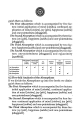
guish them as follows:
The First Absorption which is accompanied by five factors: initial application of mind [vitakka], continued application of mind [vicāra], joy [pīti], happiness [sukha] and one-p
…ur absorptions in meditation, detailing the factors involved in each state. The First Absorption is characterized by five components: initial application of mind (vitakka), continued application of mind (vicār…
141
Understanding Impermanence, Suffering, and Not-Self
Impermanence [aniccān]: This is the built-in character of objects that are of a nature to change the whole of the time. Such things as the Five Aggregates…
This text delves into the fundamental Buddhist concepts of impermanence (aniccān), suffering (dukkham), and not-self (anattā) as expressed through the Five Aggregates of the Human Body. It highlights
159
The Festival of Fools: A Tale of Wisdom
Once there was a festival which had been organized by fools. It was called the ‘Festival of Fools’ and lasted for seven full days. The fools of the town would sit in a circle and get drunk before goin
Once there was a Festival of Fools characterized by reckless behavior of drunken townsfolk. A group of Buddha's followers, having achieved strea…
174
Understanding Right Effort and Mindfulness in Buddhism
…ect and cultivating stillness of mind
Mindfulness based on any of these four objects can have two characteristics:
1. Monitoring Mindfulness [apilāpañasati]
2. Discretional Mindfulness [uparigahaṅasati]
ในบทเรียนนี้ เราจะทำความเข้าใจเกี่ยวกับ ความพยายามที่ถูกต้อง ร่วมทั้งการพัฒนาจิตสำนึกที่ถูกต้องในพระพุทธศาสนา โดยนำเสนอการรักษาคุณธรรมที่สงบ และการเจริญสติใน 4 ประการ เช่น การตั้งอยู่ในกาย อารมณ์ จิต
186
The Jewelled Wheel of the Universal Monarch
…rises through the strength of the Universal Monarch’s own merit. The Jewelled Wheel has two special characteristics it is:
1. *An invincible weapon:* if the owner ever needs to deal forcibly with any evils suc…
This text discusses the essential attributes of the Jewelled Wheel bestowed upon the Universal Monarch. Among seven jewels, the Jewelled Wheel stands out for its double function as an invincible weapo
220
Exploring the Path to Enlightenment in Buddhism
…1; as stopping conditioning 51-2 Cessation of Suffering, Noble Truth of, 21, 51-2, 93ff., 199, 201; characteristics 201 chains {metaphor for craving 87] chariot of Dhamma - {metaphor for Middle Way 39} chatter…
This text delves into various aspects of Buddhism, focusing on the mechanisms of enlightenment through chanting and the Dhammacakkapavattana Sutta. The practices necessary for attaining enlightenment
222
Understanding Dhammakāya and Defilements in Meditation
…hanism of Bud-
dha's enlightenment 111; knowl-
edge of disappeared 500 years after
Buddha 103; mind characteristics
138; mind structure 138
Dhammakāya Anāgāmi: Coarse,
108, 134; Subtle, 108, 134; defile-
ments…
The text provides an in-depth examination of the Dhammakāya concept, explaining various levels such as Dhammakāya Anāgāmi, Gotrabhu, and Sakidāgāmi. It discusses the nature of defilements and how arah
224
Insights on Suffering and Enlightenment
…achment to, suffering of 72-3; captivation 82; non-enfatuaion avoids suffering 74; seeing the Three Characteristics in 109; suffering of clinging to 58
Five, Group of 10, 16, 27, 43, 181, 186, 188, 193, 194, 1…
This text delves into pivotal Buddhist doctrines centered around suffering and enlightenment. It discusses the cycle of existence and the importance of overcoming craving. With references to meditativ
228
Understanding Nibbāna and the Noble Truths
… 53; as manifestation 54; as the supreme 54; components 20, 117, 202
Paṭhama Magga Sphere 120, 133: characteristics 104, 112-3; cultivation of 133; location 104; necessary for attaining inner bodies 133; trail…
This text delves into key concepts in Buddhist philosophy, particularly Nibbāna and the Noble Truths. It discusses the interrelation of teachings, the significance of practicing the Middle Way to atta
233
Exploring Suffering and Enlightenment in Buddhist Philosophy
…iving birth to a mule 66, parasitic 100; sense 96, 99-100
creeper 66-7); of internment in the Three Characteristics 84, 109, 122,
womb 60; of lamentation 70; of pain 138-9; realization superior to ration-
46-7…
This text delves into the intricate themes of suffering and enlightenment within Buddhist teachings. It explores the various aspects of suffering, including its origins and manifestations, and the pat