

self-identity : ค้นหาหนังสือธรรมะ หน้า 1 / 31
หน้าหนังสือทั้งหมด

60
4 Self เพื่อการพัฒนาตนเอง
๗๐
ทันโลกทันธรรม
เรื่อง : พระมหาสมชาย ฐานวุฑโฒ (M.D., Ph.D.) จากรายการทันโลกทันธรรม ออกอากาศทางช่อง DMC
4 Self
เพื่อการพัฒนา
ตนเอง
อยู่ให
วันนี้เราจะมาศึกษาเรื่อง 4 Self เพื่อการ
พัฒนาตนเอง ปัจจุบันมี
เรื่อง : พระมหาสมชาย ฐานวุฑโฒ (M.D., Ph.D.) จากรายการทันโลกทันธรรม ออกอากาศทางช่อง DMC 4 Self เพื่อการพัฒนา ตนเอง อยู่ให วันนี้เราจะมาศึกษาเรื่อง 4 Self เพื่อการ พัฒนาตนเอง ปัจจุบันมีหลักในการพัฒนาตัว
31
Political Dynamics and Sectarian Tensions in the Middle East
retrenchment into a more ideological posture by a movement that has sought, but has so far been denied, a legitimate political role.
The adoption and subsequent abandonment of the freedom agenda broug
The text discusses the complexities faced in promoting democracy in Arab nations, highlighting the influence of incumbent regimes resistant to political reform. It notes that, despite potential allies
70
The Essence of Dhamma-Milk in Spiritual Growth
related also to the happiness arisen from the realisation of truths, as
mentioned in the previous verse.
In verse 33, Gotami is said to have been fed on the ‘dhamma-milk.’105 Because it is fed to her
The concept of dhamma-milk represents spiritual nourishment derived from the Buddha's teachings, leading to inner peace and realization of truths. Gotami's declaration signifies the transition from ph
184
Glossary of Key Concepts in Buddhist Philosophy
Part Seven: Appendixes
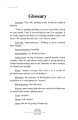
Glossary
Anattata: Non-self; nothing in the world has implicit
identity
"There is nothing out there, not even our bodies, which
we can control. Thus, it is not distinctly ours.
This glossary provides definitions for key Buddhist concepts such as Anattata (non-self), Aniccata (impermanence), and Bhavana (meditation). It emphasizes the understanding that nothing possesses a pe
14
Building a Trustworthy Family
involvement with this distrustful person. Good people will not
want to befriend dishonest people because they do not want to
gain a bad reputation through association.
So if a person in a family does
The text emphasizes that honesty and self-control are essential for a trustworthy family environment. Good people avoid associations with dishonesty. A family lacking truthfulness cultivates suspicion
14
Building Strong Family Foundations Through Truthfulness and Self-Control
involvement with this distrustful person. Good people will not want to befriend dishonest people because they do not want to gain a bad reputation through association.
So if a person in a family does
This text discusses the importance of truthfulness (sacca) and self-control (dama) in family dynamics and personal growth. It emphasizes that individuals with a lack of truthfulness can create distrus
62
Understanding Buddhist Concepts: Key Terms and Definitions
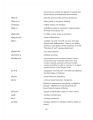
phenomena; outside the sphere of natural law; supernatural (unexplainable phenomena)
อดิษฐาน past life; previous life; previous existence
อทินนนทาน taking what is not given; stealing
อทุกขมสุข neither
This text presents key Buddhist concepts such as 'อนัตตา' (non-self), emphasizing that there is no lasting essence, only the illusion of self that causes attachment. It discusses 'อนิจจตา' (impermanen
39
Understanding Self-Mortification in Buddhism
It is for this reason that the Lord Buddha should want to start his sermon by instructing the ‘group of five’ that indulgence of the senses is unsuitable, base, ignoble, without benefit, unsuitable fo
In this text, Lord Buddha teaches that indulgence of the senses is unsuitable for a Buddhist monk and should be avoided. The practice of self-mortification, common among non-Buddhist ascetics, include
237
Exploring Concepts of Buddhist Mythology
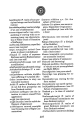
Asaññisatta (P. realm of non-per- ayatana nibbāṇa q.v. (lit. the recipient beings: see form Brahmā sphere of Nirvana realms) āsavakkhayañāṇa (see knowledge of an end of defilements) ayatana (lit. sphe
This text delves into intricate Buddhist concepts such as Asaññisatta, the realm of non-perception, and its relation to Nibbāṇa, highlighting essential terms like bhāvanā (development), and defilement
30
Untitled
28 : Universal Goodness
Without bearing in mind the true purposes of one's clothing,
one tends to buy clothing articles on impulse and without thought.
One tends to follow the latest fashion trends i
No summary can be generated due to lack of content.
12
Political Dynamics in Iraq Post-2007
the United States during 2007 has helped reduce violence, there has not been any corresponding political progress. Different Iraqi political figures and forces have competing and often changing vision
Post-2007, the United States achieved a reduction in violence in Iraq, yet significant political progress remains elusive. Iraqi political factions hold varying visions for the nation's future, with t
18
Understanding Dhammakāya and Theravāda Manuscripts
and is ‘spiritually reborn’. The dhammakāya becomes her new identity as the milk nourishes her spiritually. It is something she is given as a verbal teaching.
To add the material from the Apadānas is
This text delves into the doctrine of dhammakāya, representing a new spiritual identity that arises from teachings, akin to nourishment from milk. It connects the concepts found in the Agañña-sutta, i
58
Understanding the Concept of Body and Collection in Dhamma
Functionally, however, both terms seem to imply a different relationship between individual members and the ‘totality’ of the whole ‘body’ or ‘collection.’ As a ‘body,’ the ‘totality’ of the whole org
This text analyzes the distinctions between the terms 'body' and 'collection' within the framework of Dhamma, particularly focusing on functional dependence. It argues that while a 'body' maintains es
79
Understanding Dhammakāya: A Noble Identity
As a noun, the term refers to the new identity of a noble person once he/she is transubstantiated either from the worldly plane to a supramundane plane or from a lower transcendent state to a higher.
The term Dhammakāya refers to the new identity of a noble person following transubstantiation, highlighting different levels of realization. It embodies the reality spiritually identified with the Bud
15
Self-Training and Endurance in Family Life
Those who have full knowledge, ability and goodness
must follow only this path in order to train themselves to keep
up with the world and its people, and not surrender to
defilements.
Surely, if you f
This text emphasizes the significance of self-training and self-control in leading a fulfilling life. By acknowledging the need to change negative habits, individuals can foster a healthier family env
25
The Four Problems in Marriage
Part One: Family Life
These are: Truthfulness (Sacca), Self-Control (Dama),
Endurance (Khanti), and Sacrifice (Caga). When lacking in
any of these principles, conflict or discord will arise in any
hum
Part One: Family Life highlights four essential principles for maintaining healthy relationships: Truthfulness (Sacca), Self-Control (Dama), Endurance (Khanti), and Sacrifice (Caga). Conflict within f
142
Self-Responsibility and Social Development in Buddhism
Suzanne Jeffrey
And that’s where we close the circle. We do it for ourselves because we have to develop ourselves before we can develop anything else … but everything about us affects all of the peop
The text discusses the necessity of self-development before aiding others, emphasizing self-responsibility post-birth. It highlights the crisis of independence and the importance of moral boundaries i
78
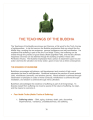
The Teachings of the Buddha
The Teachings of the Buddha
The Teachings of the Buddha are known as Dhamma, a Pali word for the Truth, the law of righteousness. In his first sermon the Buddha emphasized that one should live the Mi
The Teachings of the Buddha, known as Dhamma, emphasize the Middle Way, avoiding extremes of indulgence and self-mortification. Central to Buddha's teachings are the Four Noble Truths, which acknowled
40
The Futility of Self-Mortification
Commentorial Metaphors: Self-mortification:
1. Sugar-cane juice and poison: It can be compared to a mixture of sugar-cane juice and poison. In the end such practices will lead to death, and all for no
This text presents a series of metaphors illustrating the perils of self-mortification. Comparing self-harm to poison, stale excrement, and dangerous leaps, it highlights the futility of such practice
141
Understanding Impermanence, Suffering, and Not-Self
Impermanence [aniccān]: This is the built-in character of objects that are of a nature to change the whole of the time. Such things as the Five Aggregates of the Human Body are changing the whole of t
This text delves into the fundamental Buddhist concepts of impermanence (aniccān), suffering (dukkham), and not-self (anattā) as expressed through the Five Aggregates of the Human Body. It highlights