

PART : ค้นหาหนังสือธรรมะ หน้า 67 / 82
หน้าหนังสือทั้งหมด
70
Understanding Suffering: The Dukkha of Illness and Dying
…the body will become increasingly
hot, bringing a scorching sensation that seems to penetrate
every part of the body, just as if someone has lit a fire just
upwind of where we are lying. This is the first…
This text delves into the concepts of suffering in Buddhism, particularly focusing on the pain associated with illness and the inevitable reality of death. It elucid…
73
Understanding Types of Suffering in Buddhism
…e Buddha characterized this form of suffering as that which makes us aggressively sensitive about a particular thing, to bear a grudge or to have a ‘chip on one’s shoulder’
This text delves into the different forms of suffering defined by the Buddha. It describes 'parideva dukkha' as the anguish leading to tears due to attachment loss, primarily affecting those grieving
75
Understanding Suffering and Attachment
… vipayoga dukkhā] If we are someone who wishes for fulfilment by the sense-pleasures and habitually partake of those sense-pleasures, when we are eventually separated from such sources of pleasure, the he…
This text delves into the various forms of suffering as described in Buddhist teachings. It highlights how separation from loved ones and possessions leads to emotional pain and how disappointment man
76
Understanding the Aggregates of Clinging in Buddhism
…tment). Thus anyone wishing to enlighten themselves as to the Noble Truth of Suffering needs to pay particular attention to the Aggregates of Clinging as explained by the commentarians of the Atthakathāvi…
The Aggregates of Clinging plays a pivotal role in Buddhist teachings on suffering, highlighting how attachment to the Five Aggregates leads to various forms of suffering. While individuals reaching t
77
Understanding the Inevitability of Suffering
4. A Large Ox: Just as a large ox is the unescapable target for swarms of various biting insects no matter where it may roam, the Aggregates of Clinging are the unescapable prey of all twelve forms of
…lly subject to suffering in all realms. It emphasizes the importance of recognizing this suffering, particularly through the lens of birth, old age, sickness, and death. By recalling the inevitability of …
78
Understanding the Noble Truth of Suffering
tial a person might be, it doesn't merit any special consideration on suffering's part — all are equal in the face of suffering. Thus, realization of the reality of suffering for what it…
This section discusses the Buddhist understanding of suffering, emphasizing that all beings are equal in their experience of suffering. It highlights the significance of realizing the Noble Truth of S
124
Understanding the Inner Bodies and Enlightenment
…der the Three Signs in the mundane bodies, also allows them to consider the Four Noble Truths. This part of the practice is indeed the Noble Path which leads the meditator to the transcendental and eterna…
This text discusses the progression through successive inner bodies leading to the Dhammakāya, emphasizing the distinction between mundane and transcendental bodies. It highlights that all worldly bod
127
Understanding the Mind and Its Layers
are mindful that ‘the mind is distracted’. If the mind is con-
centrated, you are mindful that ‘the mind is concentrated’.
If the mind is liberated, you are mindful that ‘the mind is
liberated’. If
…ted, or liberated. Furthermore, it highlights the ability to project the subtle body at any moment, particularly for those who have attained Dhammakāya, allowing for a deeper understanding of one's mental…
130
Understanding Mindfulness in the Mind
…ed with perception, sensory registration or cognition. It is no use having mindfulness of any other parts of the mental process — because the layers of the mind cannot exchange roles any more than the moo…
The text discusses mindfulness focusing on the central processing of the mind, distinguishing it from perception and cognition. It describes the clear nature of the pure mind that becomes tainted by d
147
The Eightfold Path: Knowledge and Conduct in Meditation
…ation is used to overcome our desires.
Twofold Analysis
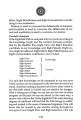
If the Eightfold Path is analysed into two parts according to the knowledge [ujjā] and the conduct [caraṇa] exemplified by the Buddha then Right Vi…
This text discusses the importance of Right Mindfulness and Right Concentration in meditation, as components of the Noble Eightfold Path. The Eightfold Path is divided into two areas: knowledge (Right
155
King Asoka: Patron of Buddhism
…chance to pay respect for seven days. The king had the wish also to revere the Dhamma in its 84,000 parts and so built 84,000 stupas containing the Buddha’s relics to give his subjects the chance to pay r…
King Asoka was a pivotal figure in Buddhism, inviting 60,000 monks for daily alms and yearning to pay respect to a fully-enlightened Buddha. He invited the Naga King to appear as the Buddha for homage
157
Types of Wives: Characteristics and Comparisons
in other men, looking down on her husband — even when her husband is the one to pay her dowry in the first place — having no gratitude to her husband, and even going as far as attempting to kill her h
…are associated with a little sister, while friendship and sincerity are highlighted in a supportive partner. These comparisons provide insight into the essential roles and behaviors within marital relatio…
159
The Festival of Fools: A Tale of Wisdom
Once there was a festival which had been organized by fools. It was called the ‘Festival of Fools’ and lasted for seven full days. The fools of the town would sit in a circle and get drunk before goin
…ownsfolk. A group of Buddha's followers, having achieved stream-entry, chose to meditate instead of participating. Upon returning to the Buddha, they expressed their reliance on wisdom over chaos. The Bud…
160
Abstention from Killing in Buddhism
…e, but recalling that he had taken the Precepts he refrained. When
¹. DhsA. p.103
². Mangaladipani Part II, v.158
This text discusses various ways one can abstain from killing, highlighting three methods: spontaneous abstention, preemptive abstention through the Five Precepts, and transcendent abstention. Illustr
178
The Three Cycles of Examination in Buddhism
The Three Cycles of Examination comprise:
1. Saccānāna: Knowledge of the existence of each Noble Truth over which the Lord Buddha had unequaled personal knowledge and which he could teach to others wi
… termed 'Dhammacakka,' serves as a transformative process, surpassing traditional notions of power, particularly when addressing the eradication of defilements. For further insights, visit dmc.tv.
193
The Subtlety of Dhamma and the Buddha's Vocation
… to the extent of achieving Enlightenment himself, but now it remained for him to fulfil the second part of his resolve and teach to the others of the world.
He considered who would be able to appreciate …
The Buddha preached the concept of Dhamma, comparing his teachings to leaves in his hand versus the endless phenomena of enlightenment. He remembered his vow to end suffering, driven by compassion for
197
The Middle Way: Buddha's Revolutionary Teaching
…
The Buddha didn’t just deny what had gone before — he offered a correct alternative. Normally this part of the Dhammacakkapavattana Sutta is just translated:
“Avoiding both of these extremes, the Middle …
… doctrine, providing a correct alternative that leads to calm and supreme knowledge. His teachings, particularly in the Dhammacakkapavattana Sutta, outline a path towards enlightenment that avoids the ext…
228
Understanding Nibbāna and the Noble Truths
natal wind 61
neighbourhood concentration 43,
neither-perception-nor-non-perception, absorption of 193
nibbāna, anupadisesa 21, 112, 114;
ayatana 21, 102, 112, 114; sa
upādisesa 21, 112, 113-4
Nirvana
This text delves into key concepts in Buddhist philosophy, particularly Nibbāna and the Noble Truths. It discusses the interrelation of teachings, the significance…
235
Reference Table of Pali Terms
…e form abhisambuddha (see seeing and Brahmā realms)
knowing according to reality) akāra (see bodily parts)
abyāpāda sankappa (see inten- Ākāsanāñcāyatana (P. realm of tion to remove oneself from infinite …
The reference table provides a selection of Pali terms related to Buddhist philosophy, arranged alphabetically for ease of use. Each term is accompanied by English translations and necessary clarifica
241
Understanding Sensory Terms in Buddhism
…olfactory con- links of Dependent Origination)
tact: see sense contact) Jātaka (P. Birth Stories, a part of
gāha viññāṇa (olfactory conscious- the Buddhist Scriptures)
ness: see sense consciousness) jāti …
This text delves into various sensory terms found in Buddhist scriptures, particularly focusing on olfactory and gustatory experiences. It covers concepts such as gandha (smell),…