

The Wholesome Deeds of the Brahmin : หน้า 173/263
The Buddha’s First Teaching : หน้า 173/263 A story of a brahmin who helps monks by improving their robing area, showcasing the importance of continuous good deeds and mental purification.
0 ครั้ง
สรุปเนื้อหา
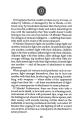
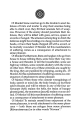
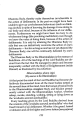
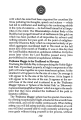
Once there was a brahmin who noticed that as the monks stopped at a certain place to robe themselves before entering the town for alms, the hems of their robes would always become wet from the dew on the grass. Therefore, he decided to cut the grass to help them. Later, he noticed that the robes would get soiled by dust, so he covered the area with clean sand. Not stopping there, he saw that the monks suffered from the sun and rain, prompting him to build a small pavilion for them. To honor his efforts, he invited the Buddha and the monastic community for a meal in the pavilion. The Buddha acknowledged the brahmin's good deeds and compared it to a goldsmith who must purify gold multiple times to remove impurities, teaching that mental purification and continuous wholesome actions are essential for achieving a clearer mind.
หัวข้อประเด็น
-Brahmin's good intentions
-The significance of helping others
-Mental purification
-Teachings of the Buddha
-Sustained good deeds
ข้อความต้นฉบับในหน้า
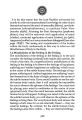
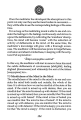
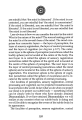
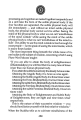
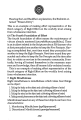
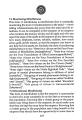
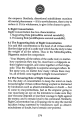
Once there was a brahmin who noticed that as the monks stopped at a certain place to robe themselves before entering the town for alms, the hems of their robes would always become wet from the dew on the grass. Therefore the wholesome intention arose in his mind to do a good deed he had never done before — that is, to cut the grass at the point where the monks habitually robed themselves. Thinking thus, he cut the grass. Some time later, the same brahmin observed the monks robing themselves at the same spot at midday and noticed that the hems of the monks’ robes was getting soiled by dust on the ground. Therefore he had the wholesome intention to cover up the dust with clean sand and thinking thus he obtained sand and covered over the dust at that spot. Later still, not contented with the good deeds he had already done, he noticed that standing in the sun to robe oneself caused the monks to sweat profusely — or when it was raining, caused the whole robe to become soaked. Therefore he built a small pavillion to protect the monks from the sun and the rain where they could robe themselves. Once the pavillion was completed, he invited the Buddha and the monastic community to take a meal in the pavillion. When the Buddha heard about the brahmin’s wholesome efforts, he gave the teaching: “Just as a goldsmith must smelt gold not one time, but many times before it can be used to make jewellery, in order to remove all the impurities from the metal, the wise who wisht to remove the defilements from their mind (such as greed etc.), must remove those impurities little by little, sequentially until none remain, while at the same time cultivating wholesome deeds constantly.”
หน้าหนังสือทั้งหมด
1
2
3
4
5
6
7
8
9
10
11
12
13
14
15
16
17
18
19
20
21
22
23
24
25
26
27
28
29

30
31
32
33
34
35
36
37
38
39
40
41
42
43
44
45
46
47
48
49
50
51
52
53
54
55
56
57
58
59
60
61
62
63
64
65
66
67
68
69
70
71
72
73
74
75
76
77
78
79
80
81
82
83
84
85
86
87
88
89
90
91
92
93
94
95
96
97
98
99
100
101
102
103
104
105
106
107
108
109
110
111
112
113
114
115
116
117
118
119
120
121
122
123
124
125
126
127
128
129
130
131
132
133
134
135
136
137
138
139
140
141
142
143
144
145
146
147

148
149
150
151
152
153
154
155
156
157
158
159
160
161
162
163
164
165
166
167
168
169
170
171
172
173
174
175
176
177
178
179
180
181
182
183
184
185
186
187
188
189
190
191
192
193
194
195
196
197
198
199
200
201
202
203
204
205
206
207
208
209
210
211
212
213
214
215
216
217
218
219
220
221
222
223
224
225
226
227
228
229
230
231
232
233
234
235
236
237
238
239
240
241
242
243
244
245
246
247
248
249
250
251
252
253
254
255
256
257
258
259
260
261
262
263
หนังสือที่เกี่ยวข้อง
Load More